Yellowstone
Upper Geyser Basin · Wyoming–Montana–Idaho, USA
The volcano is easiest to see where hot water brings its hidden heat to the surface.
Also seen through Rivers & Canyons · all at Upper Geyser Basin →.
Why here
Yellowstone hides much of its volcano underground. What reaches the surface is water, steam, color, and the occasional sudden eruption. The volcanic story is therefore not one mountain but a plumbing system: heat rises, groundwater moves, and the surface becomes a map of where the two meet. Walk among the geysers and springs and look for differences in temperature, color, and texture. The land is alive with change even when the surrounding forest looks still. Yellowstone makes volcanic energy visible by letting water carry it upward.
The sites
Heat rising through water
Observation Point
44.4647, −110.8244
Observation Point looks over a geothermal basin where hidden heat becomes visible water. Steam rises, channels carry runoff, and mineral deposits change the ground’s color and texture. The important pattern is not one feature but the network connecting them. Water enters the ground, meets heat, and returns carrying a different chemical load. Stand above the basin and let the separate pools become one system.
Look for the warmest water and trace its outflow downhill. The channel shows how heat and minerals leave the underground system through water.
- AccessShort walk
- ExertionModerate
- TimeHalf a day
Geyser Hill
44.4648, −110.8299
Geyser Hill gathers several expressions of volcanic heat into one walk. Some water stays quiet, some bubbles, and some leaves the ground under pressure. The differences come from plumbing and temperature rather than from separate volcanoes. Move slowly along the boardwalk and watch the small signs: steam, color, sound, and changing water levels. The volcano is speaking through a wet surface.
Choose one pool and watch it for a minute. Notice whether the water is still, bubbling, or flowing; each behavior reflects a different connection to heat below.
- AccessShort walk
- ExertionEasy
- TimeHalf a day
The eruption made visible
Old Faithful
44.4605, −110.8281
Old Faithful makes underground pressure visible as a column of water and steam. The eruption is only the surface moment of a longer process in which water enters, heats, and finds a route back out. Watch the feature as part of the surrounding basin rather than as a performance. The nearby springs and channels belong to the same volcanic system, showing that not all heat leaves in the same way.
After the eruption, watch where the water runs. The outflow is the quieter continuation of the same geothermal process.
- AccessShort walk
- ExertionEasy
- TimeAn hour
Color made by heat
Grand Prismatic Spring
44.5250, −110.8381
Grand Prismatic Spring turns geothermal chemistry into color. Hot water reaches the surface, cools outward, and supports different microbial communities around the margin. The colors are therefore a map of temperature and water movement. Look from the center toward the edge and notice how the pattern changes in bands. The volcanic heat is invisible until living and mineral surfaces make it readable.
Follow the color from the hottest center toward the cooler edge. The bands mark changing conditions around the spring rather than paint on the water.
- AccessShort walk
- ExertionEasy
- TimeAn hour
Heat and living ground
Castle Geyser
44.4637, −110.8365
Castle Geyser shows heat building pressure beneath a solid volcanic landscape. Water enters the ground, warms, and finds a route upward through the geyser’s plumbing. The eruption is the visible moment, but the important work continues between eruptions in the underground movement of water. Look at the geyser beside the quieter springs and channels nearby. Yellowstone’s volcano becomes legible through the different ways heat reaches the surface.
Compare Castle Geyser with a nearby quiet pool. Both are fed by underground heat, but their plumbing sends water upward in different ways.
- AccessShort walk
- ExertionEasy
- TimeHalf a day
When it's best
The geothermal features are present in every season, but warmer months offer the easiest access to the boardwalks and high country. Spring runoff can make the surrounding rivers fuller, while fall brings cooler air and changing forest color. Winter steam makes hot springs especially visible, but snow changes the routes. Stay on established paths around the thermal ground.
Go deeper
The names behind what you saw. The geology includes Quaternary felsic volcanic rocks and undivided surface deposits. American bison, Bison bison, common raven, Corvus corax, and Rocky Mountain fringed gentian, Gentianopsis thermalis, are part of the living landscape.
To read next. - Geologic map of upper Geyser Basin, Yellowstone National Park — the map behind the springs and geysers. - The park’s geothermal material — for heat, water, and mineral color.
The names behind what you saw
What lives here, and what it's called. Photographs from open collections — an aid to identification, not decoration.
-
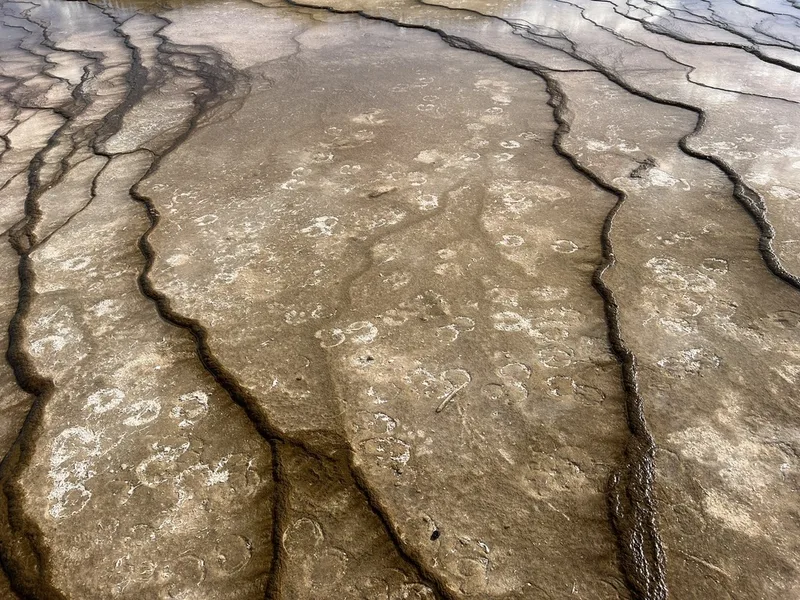
American Bison Bison bison -
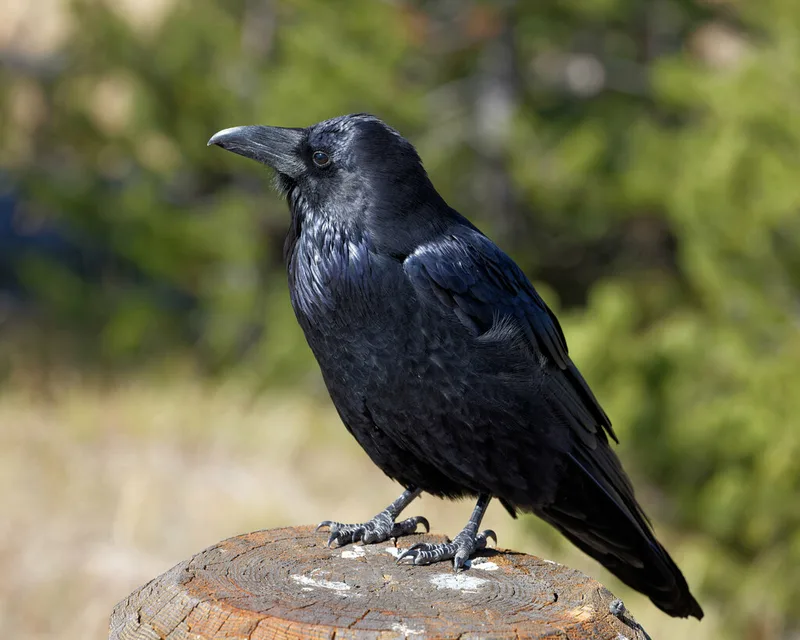
Common Raven Corvus corax -
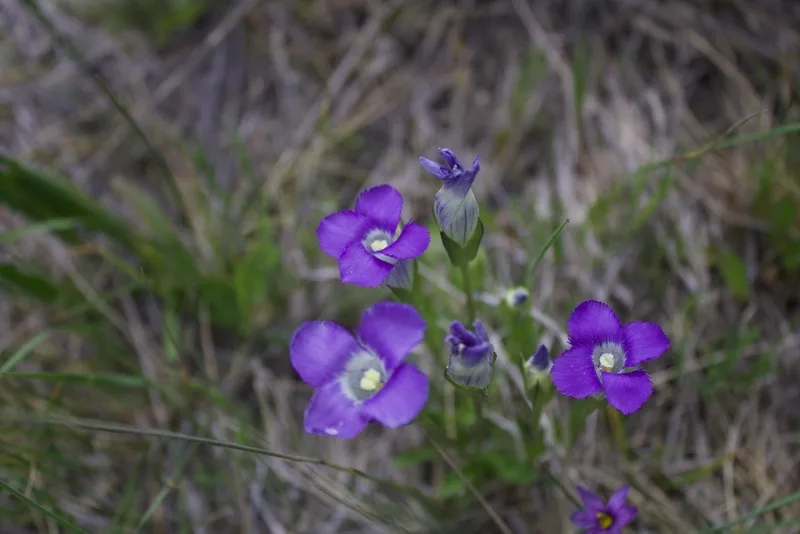
Rocky Mountain Fringed Gentian Gentianopsis thermalis -
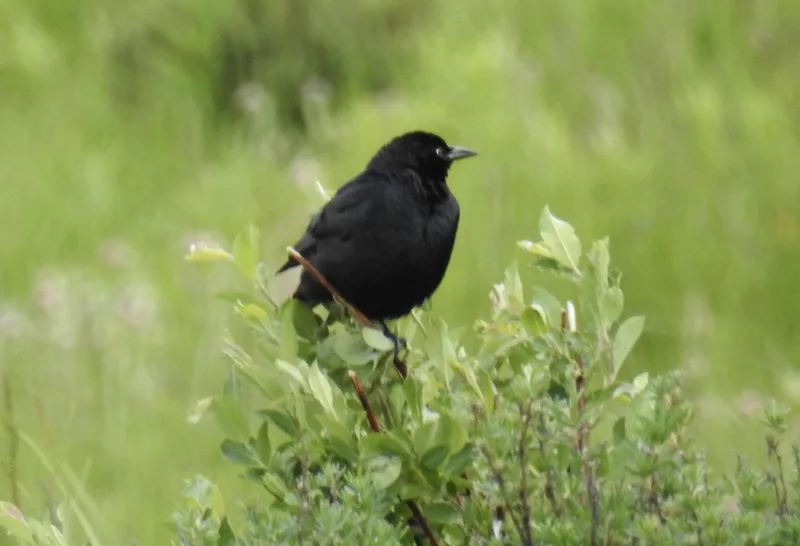
Brewer's Blackbird Euphagus cyanocephalus -
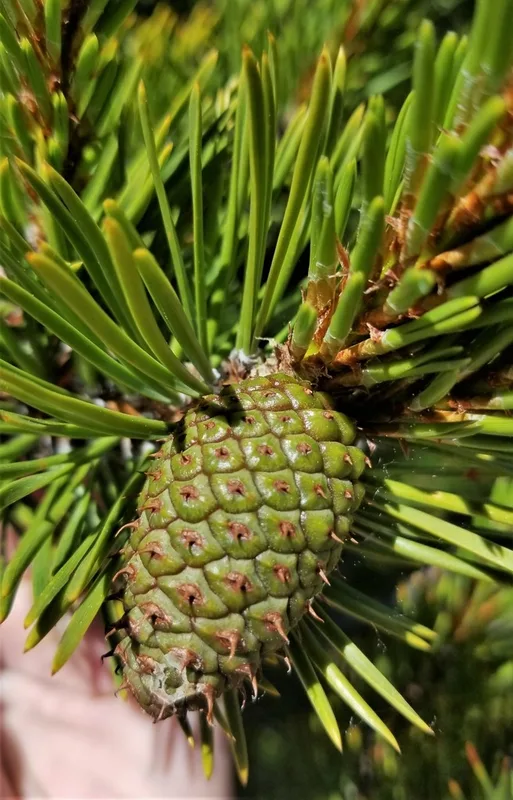
lodgepole pine Pinus contorta -
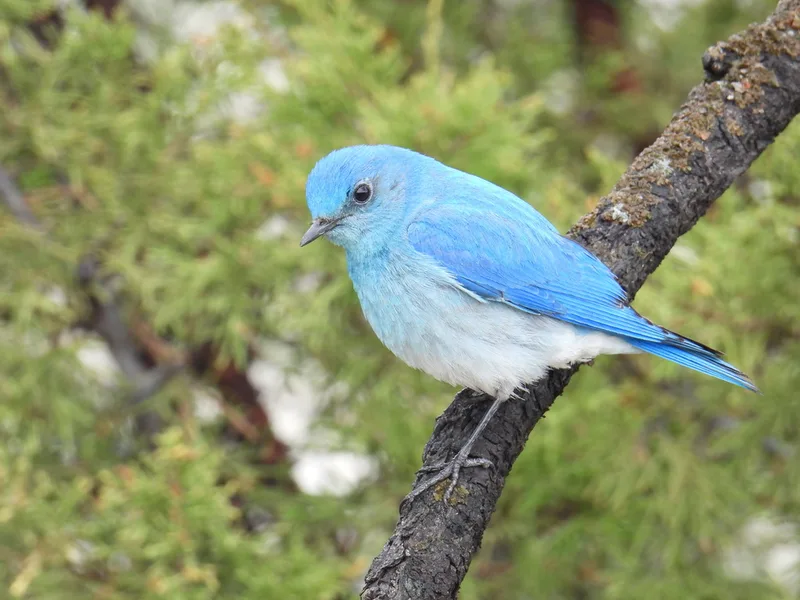
Mountain Bluebird Sialia currucoides -
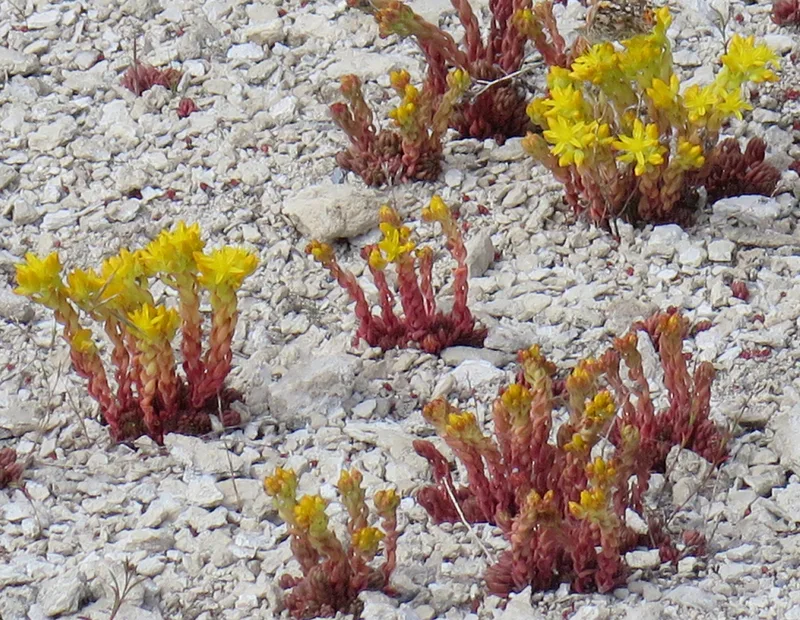
Lanceleaf Stonecrop Sedum lanceolatum -
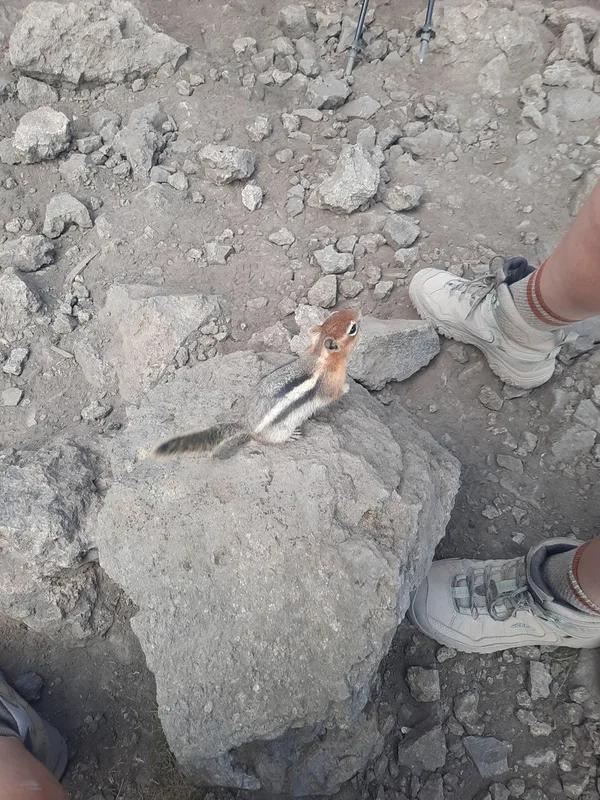
Common Golden-mantled Ground Squirrel Callospermophilus lateralis -
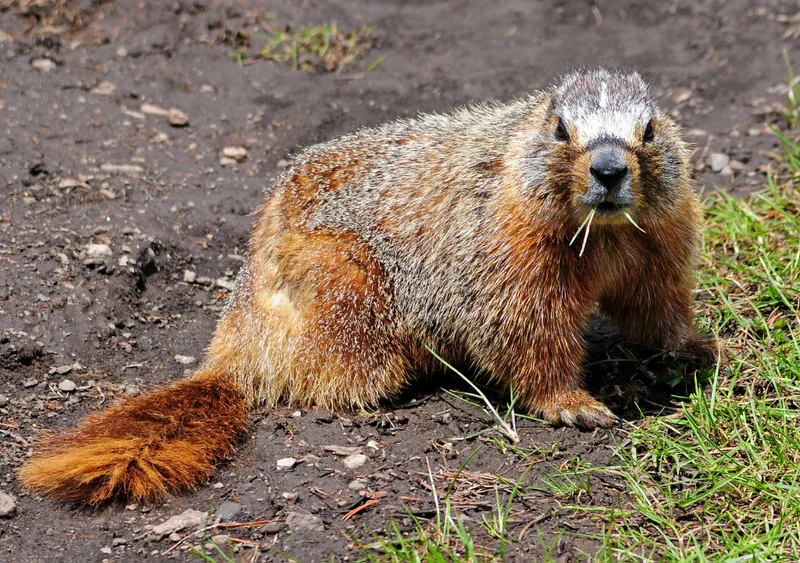
Yellow-bellied Marmot Marmota flaviventris -
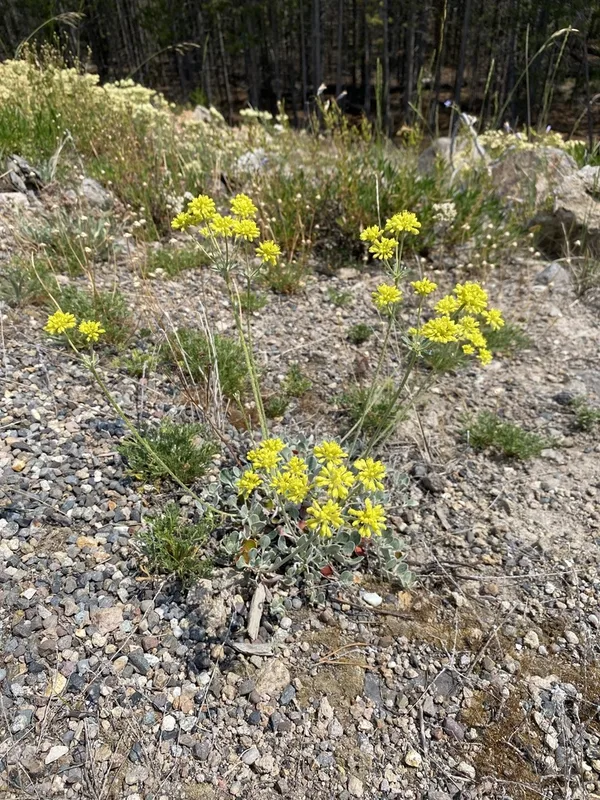
sulfur buckwheat Eriogonum umbellatum -
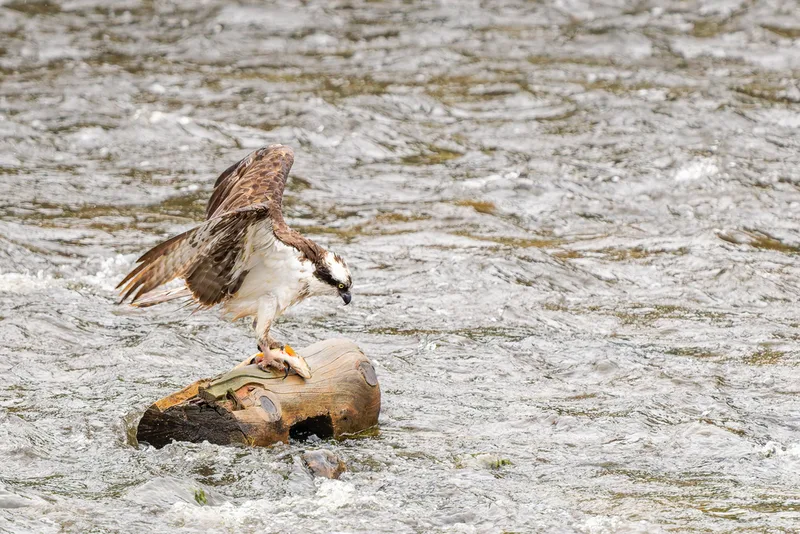
Osprey Pandion haliaetus -
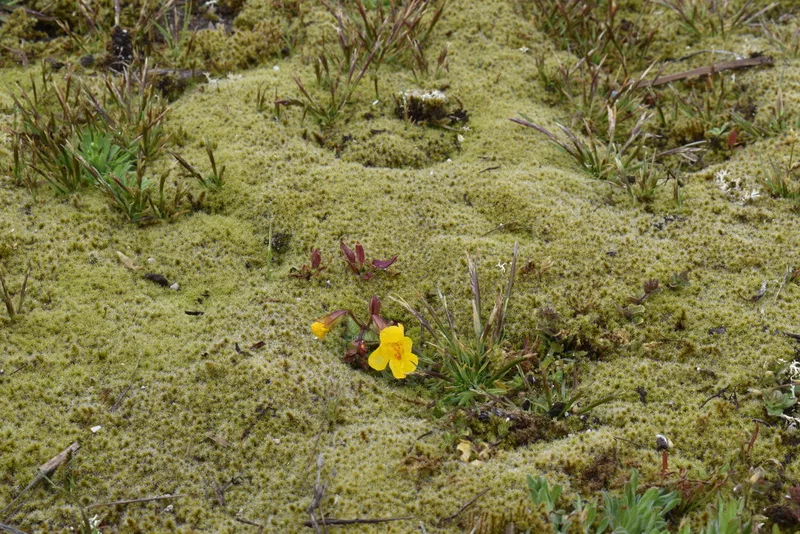
Yellowstone Monkeyflower Erythranthe thermalis
Field Notes · Volcanic lens · Upper Geyser Basin · 44.7155, −110.7718