Mauna Kea
Mauna Kea Access Road · Hawaii, USA
The light that reaches this summit tonight left its stars long before there was a mountain to catch it.
Also seen through Volcanic · all at Mauna Kea Access Road →.
Why here
Air holds water, and water blurs starlight. Most of the moisture in the sky sits low, in the warm layer near the sea. Mauna Kea rises clean out of that layer. Stand on the summit at night and much of the atmosphere’s haze is already beneath you — what’s left overhead is thin, dry, and unusually still, the steadiest air a telescope can ask for. That is why the observatories gather here, more of the world’s great instruments on one summit than almost anywhere else, their domes lined along the highest ground. And it is why this mountain has been sacred to Native Hawaiians far longer than any dome has stood: in their tradition it is the home of the sky god, the island’s nearest point to the heavens. Astronomer and worshipper reach toward the same thing on the same peak, for the same plain reason — Mauna Kea gets you closer to the sky than almost anywhere on Earth. Everything in this note comes back to that thin, clear air.
The story
Mauna Kea is a shield volcano, built quietly over hundreds of thousands of years by lava flows piling one on the next into the highest volcano on the island. The rock underfoot near the top is young dark basalt, the last of that building. Cold and dry, the upper slopes let go of the forest early. On the flanks, in a band of dry woodland, grows the māmane — a hardy tree with yellow, pea-shaped flowers, most of them out by late winter. Among these trees lives the palila, a native finch of the mountain’s dry slopes.
Higher up the trees quit altogether and the mountain becomes bare cinder and sky. Long before telescopes, Native Hawaiians understood this ground as sacred — the realm of the sky god Wākea, the island’s meeting place of earth and heaven, entered with care. The same height that made it holy made it valuable to astronomers, and over time observatory domes rose along the summit. The two claims have not always sat easily together: a proposal to build one more, larger telescope drew years of protest, thousands standing on the access road to keep it off the peak. The mountain is at once a working scientific summit and a place many still hold sacred.
The sites
Start at the visitor station
Mauna Kea Visitor Information Station
19.7614, −155.4560
This is the last building before the mountain goes bare, and the place everyone stops to let their body meet the thinning air before climbing higher. Don’t rush through it. The parking lot alone sits above the worst of the sea-level haze, so even here the sky is darker and steadier than almost anywhere at your feet.
On a clear, moonless night, let your eyes adjust for a full ten minutes, then find the Milky Way as a pale band arching overhead. Follow it to where it thickens and brightens — that dense patch is the crowded center of our own galaxy, and it shows this well because half the atmosphere’s moisture is already below you.
- AccessDrive-up
- ExertionEasy
- TimeAn hour
Puʻukalepeamoa
19.7539, −155.4589
A short climb up the cinder hill behind the visitor station buys you a clean horizon in every direction, clear of buildings and headlights. It is the easiest place on the mountain to take in the whole bowl of the sky at once, and a good spot to watch the last daylight drain off the summit above.
Pick out a bright planet or a low star near the horizon and watch it steadily. If it holds almost still instead of twinkling hard, you’re seeing what astronomers call good seeing — proof of calm, even air stacked overhead, the same stillness that drew the telescopes to this ridge.
- AccessShort walk
- ExertionEasy
- TimeAn hour
The summit ridge
Mauna Kea Summit (Puʻu Wēkiu)
19.8206, −155.4681
This is the true top, a cone of loose red cinder with nothing above it but sky. Most of the weather and nearly all the haze lie somewhere below your boots. It is also the heart of what Native Hawaiians hold sacred here, so tread lightly and keep to the marked ground.
As twilight fades, look toward a constellation you know and wait. Stars you could never catch from the coast fill in around the familiar ones, faint and close together — the plain measure of how much air, and how much of its moisture, you have climbed above.
- AccessDrive-up
- ExertionModerate
- TimeHalf a day
Lake Waiau
19.8112, −155.4774
A small lake sits high near the top, which is a strange thing on a mountain of dry, thirsty cinder that drains almost everything away. It rests near the summit of a mountain long held sacred, water where you would least expect it. Reach it by daylight; the footing is loose and the air is thin.
Come to the shore near dusk on a windless evening and look at the water rather than the sky. When the surface goes glassy it doubles the first stars overhead, so the same clear air the telescopes were built for lies mirrored at your feet.
- AccessHalf-day hike
- ExertionModerate
- TimeHalf a day
Where the telescopes gather
W. M. Keck Observatory
19.8263, −155.4744
A pair of linked domes stands on the summit ridge here. They sit where they do for exactly the reason you climbed it — the thin, steady, water-poor air that lets faint light through cleanly. As the light goes, the domes come alive.
At dusk, stand where you can see the shutters and watch a dome swing open and the slit yawn wide against the last color in the sky. The instruments are waiting for the same darkness and the same still air you are, and they open the moment the mountain gives it.
- AccessDrive-up
- ExertionModerate
- TimeAn hour
Subaru Telescope
19.8256, −155.4761
Japan’s telescope on the ridge carries one of the largest single mirrors ever cast, housed in a tall silver tower. Its name is a small joke worth knowing: Subaru is the Japanese name for the star cluster English speakers call the Pleiades.
Look up and find the Pleiades — a tight little knot of stars that most eyes read as a smudge at first. Count how many separate points you can split apart; from up here, in this dry air, you’ll pull out more than you ever could at sea level, and you’ll be looking at the cluster the telescope is named for.
- AccessDrive-up
- ExertionModerate
- TimeAn hour
Gemini North Observatory
19.8238, −155.4691
This dome sits high on the summit ridge, placed where the air is thinnest and stillest. It works the northern sky, turning to whatever patch of dark it has chosen for the night.
Face the direction the dome slit is pointing and find the patch of sky it has chosen for the night. Then look for the North Star, low and steady off to the north — a fixed point to orient by while the domes around you open to the dark.
- AccessDrive-up
- ExertionModerate
- TimeAn hour
When it's best
The sky here is good on far more nights than not — that steady, dry air is the whole point of the place. What you time is the moon: the darkest skies fall in the nights around a new moon, when no moonlight washes out the faint stuff, and the bright core of the Milky Way rides highest through the summer months. Cold is the constant. Even after a mild day the summit runs near freezing once the sun is down, and winter storms can bury the top in snow and close the access road for days at a stretch — the mountain, not the calendar, decides. Whatever the season, go up in daylight and spend a while at the visitor station partway up before climbing the last stretch; the air near the top is thin enough that your body needs the time to adjust.
Go deeper
The support base partway up the mountain is the Onizuka Center for International Astronomy, known as Hale Pōhaku; the walking route from there to the top is the Mauna Kea Trail, also called the Humuʻula Trail. The summit cone itself is Puʻu Wēkiu. Along the summit ridge sit the W. M. Keck Observatory, the Subaru Telescope — run by Japan and named for the star cluster English speakers call the Pleiades — and the Gemini North Observatory. The high sacred lake below the top is Lake Waiau. The dry-woodland tree is māmane, Sophora chrysophylla; a native finch of these slopes is the palila, Loxioides bailleui. To understand why the mountain is contested as well as clear, read about the Thirty Meter Telescope and the protests that met it — the plainest account of two communities reaching toward the same height.
The names behind what you saw
What lives here, and what it's called. Photographs from open collections — an aid to identification, not decoration.
-
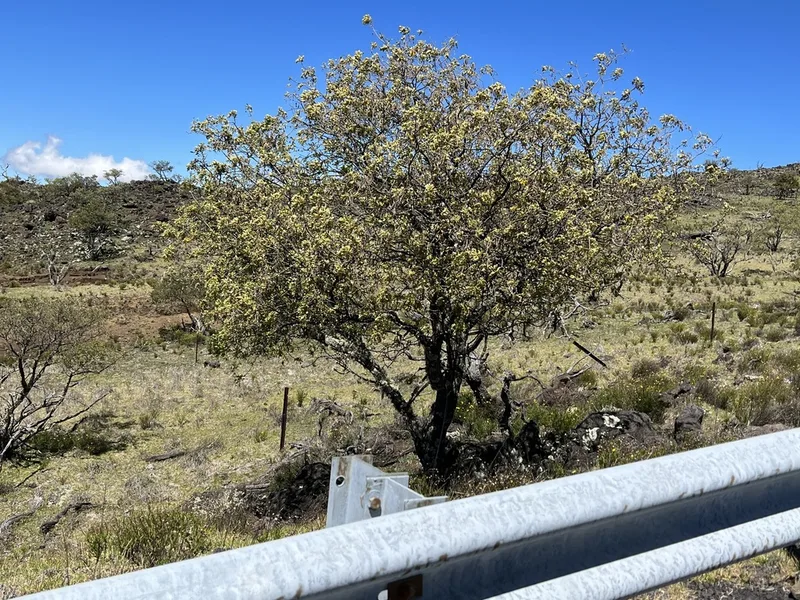
Māmane Sophora chrysophylla -
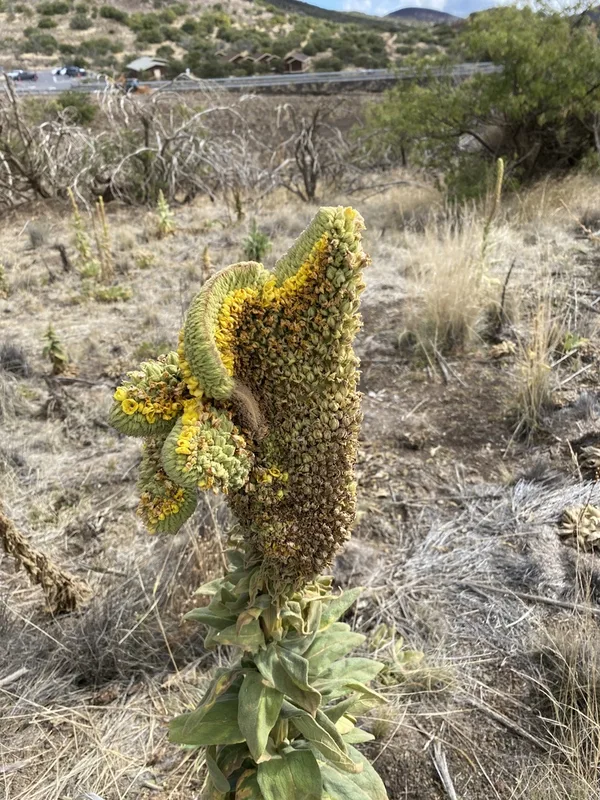
great mullein Verbascum thapsus -
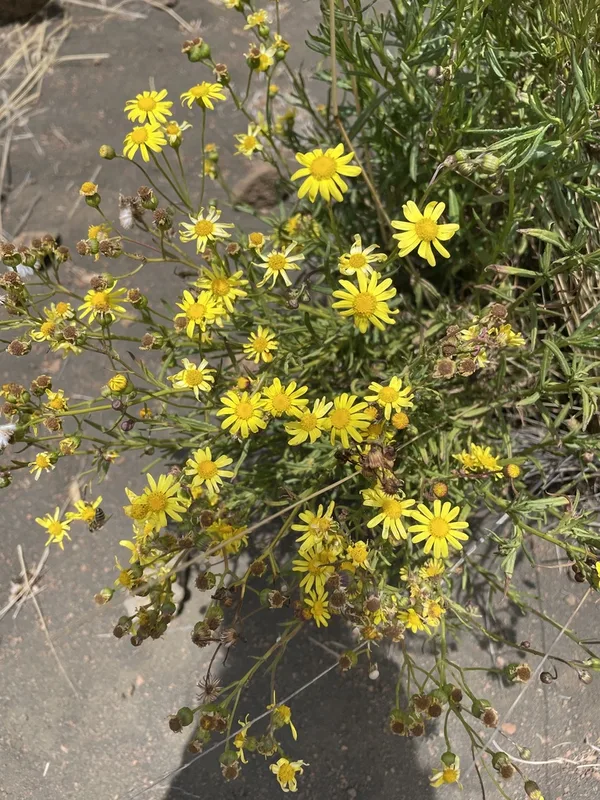
Madagascar Ragwort Senecio madagascariensis -
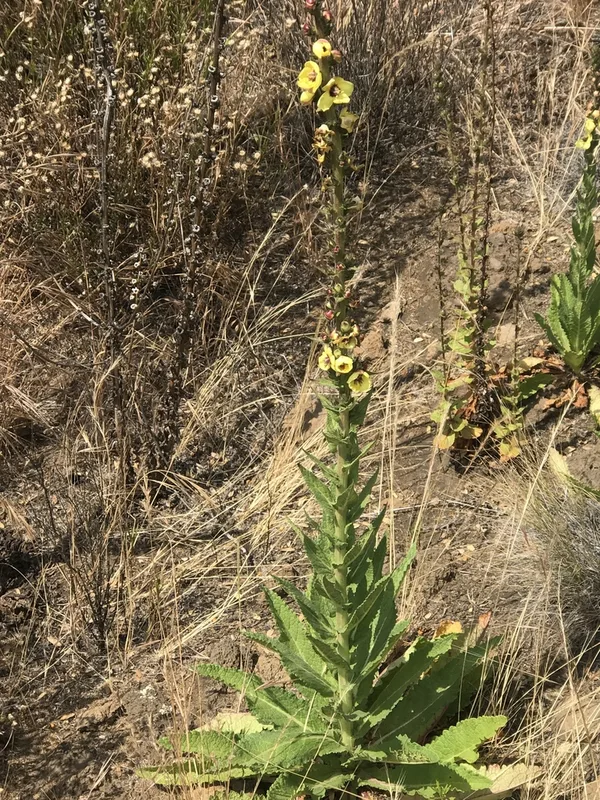
Wand Mullein Verbascum virgatum -
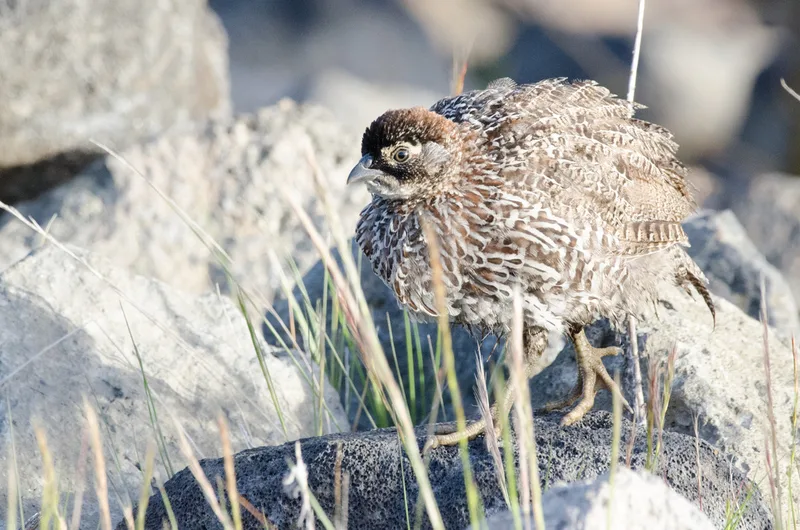
Erckel's Spurfowl Pternistis erckelii -
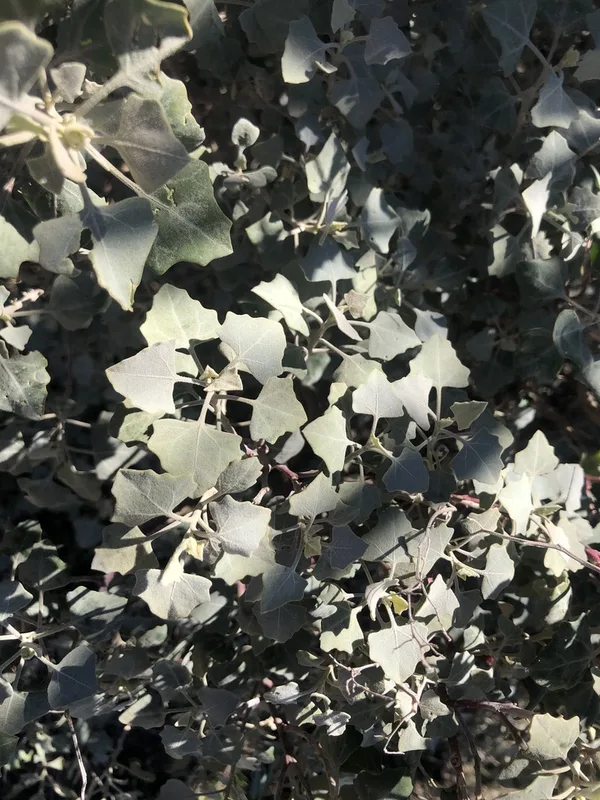
ʻAweoweo Chenopodium oahuense -
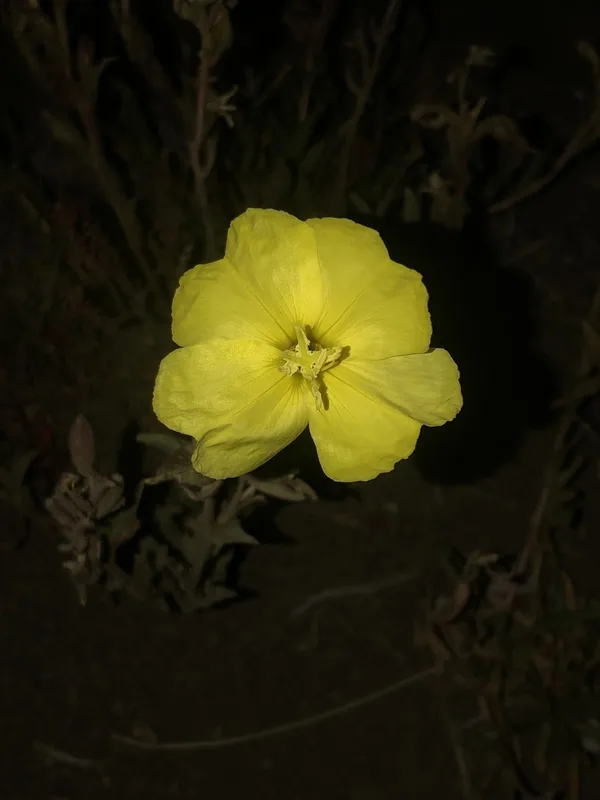
fragrant evening-primrose Oenothera stricta -
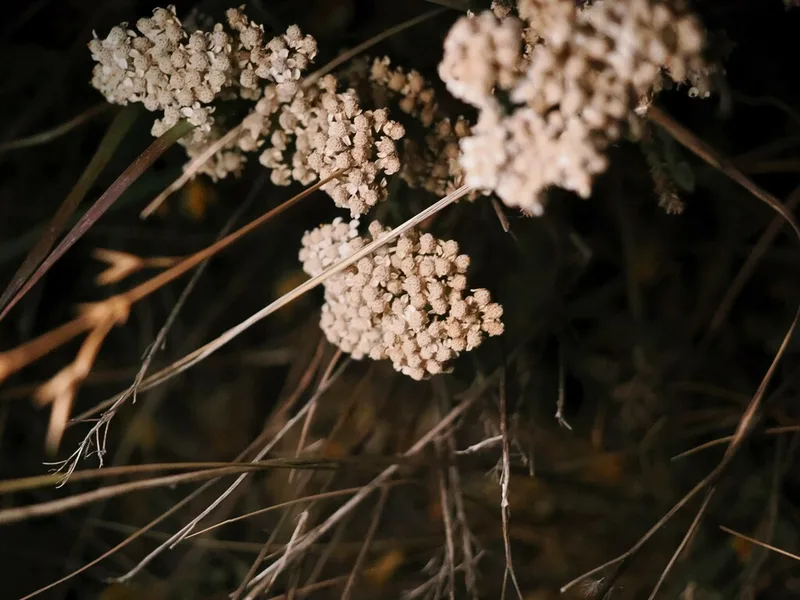
common yarrow Achillea millefolium -
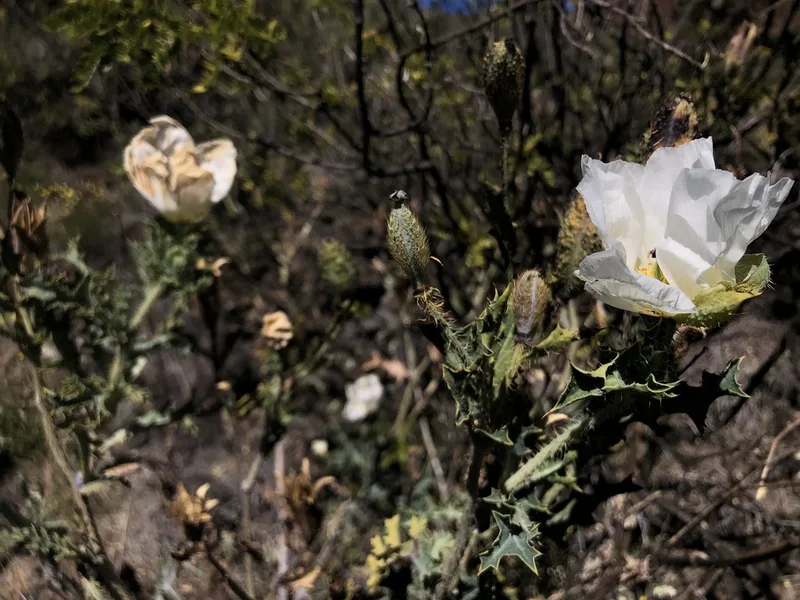
pua kala Argemone glauca -
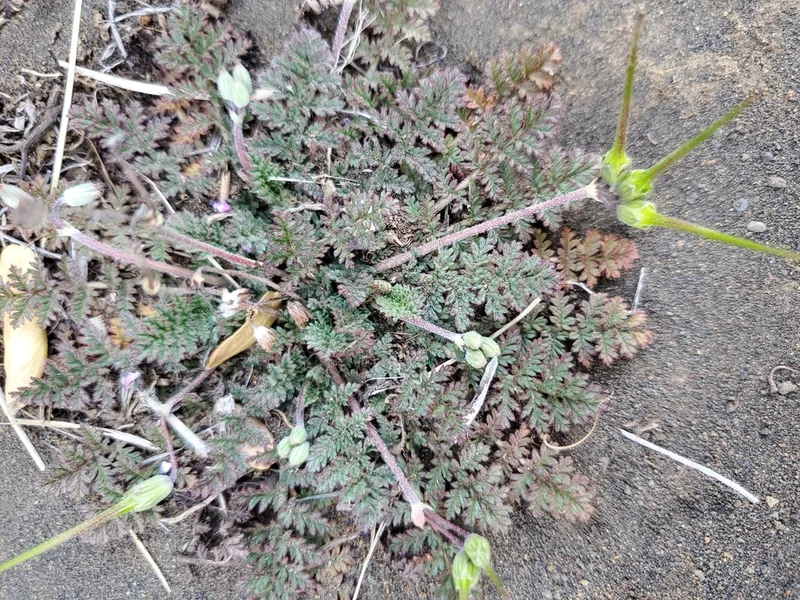
Redstem Stork's-bill Erodium cicutarium -
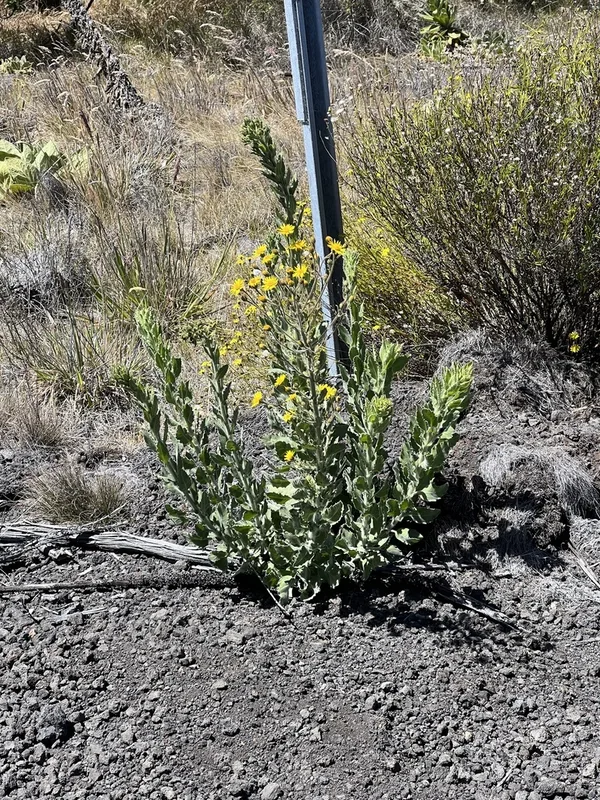
Telegraphweed Heterotheca grandiflora -
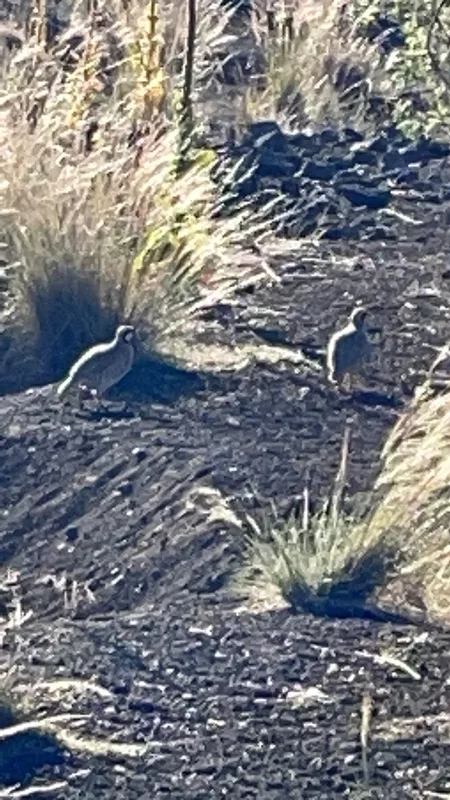
Chukar Alectoris chukar
Field Notes · Night Sky lens · Mauna Kea Access Road · 19.7242, −155.4474