Joshua Tree
Joshua Tree National Park · California, USA
The desert makes room for the sky by keeping the horizon spare.
Also seen through Desert & Deep Time · all at Joshua Tree National Park →.
Why here
Joshua Tree’s night sky begins with open desert and dark granite. During the day, boulders and Joshua trees make the land legible; after sunset, they become silhouettes beneath a sky with little to interrupt it. The desert’s dryness and sparse settlement help the stars return, while the trees give the darkness a living foreground. Stand among the rocks and let your eyes adjust. The first stars arrive above the horizon, then the faint ones fill the gaps. The oldest view is not separate from the desert. It is framed by the shapes that survive there.
The sites
Silhouettes and stars
Mastodon Peak
33.7342, −115.7991
Mastodon Peak gives the night a low, broken horizon. Granite holds the foreground while the open desert lets stars appear close to the ground. Arrive before sunset and watch the rock change from warm color to dark outline. The transition helps your eyes separate the fixed desert from moving light above it. Stay still after full dark; the faintest stars need time.
Keep the peak in view while your eyes adjust. Look just beside the silhouette to catch faint stars that disappear when you stare directly at them.
- AccessHalf-day hike
- ExertionModerate
- TimeHalf a day
Alligator
33.7023, −115.4099
Alligator is a quiet place to let the desert become a foreground. A Joshua tree or boulder blocks part of the horizon, but that small interruption gives the sky scale. Find one living silhouette and one bare rock, then watch the stars change around them. The night is not an absence of the day landscape. It is the same landscape with a different layer of information.
Choose a Joshua tree as a marker and watch the sky above its branches. The tree makes the motion of stars easier to notice.
- AccessShort walk
- ExertionEasy
- TimeAn hour
Darkness held by water
Barker Dam Trail (Easternmost)
34.0263, −116.1470
Barker Dam adds a dark surface that can reflect the sky. Water, granite, and trees make three different kinds of foreground, each changing the stars in a different way. The reservoir holds a reflection; the rock holds a silhouette; the tree breaks the view into branches. Look at all three before looking straight up. The desert’s night is richest where the land offers more than one texture.
Compare the stars above the dam with their reflection below. Wind breaks the water’s sky first, showing that the reflection is a moving second surface.
- AccessShort walk
- ExertionEasy
- TimeHalf a day
Queen Vally Trailhead (Westernmost)
34.0241, −116.1428
The western trailhead opens toward a sparse horizon where Joshua trees stand apart from one another. That spacing matters after dark. The branches give the eye reference without blocking the whole sky, and the open ground reduces nearby light and clutter. Let the desert’s silence do some of the work. The sky becomes detailed slowly, one faint layer at a time.
Find the widest gap between the trees and face it. After your eyes adjust, compare the number of stars in the gap with the sky above the branches.
- AccessShort walk
- ExertionEasy
- TimeAn hour
The oldest view
Queen Vally Trailhead (Easternmost)
34.0333, −116.1078
The eastern trailhead makes the night sky a view through living desert. Joshua trees are old-looking even when you do not know their age, and their shapes hold the sky in separate windows. Stand among them and watch the stars move through those windows. The tree is fixed, the light is traveling, and the desert keeps both in the same frame.
Pick one branch and watch a star pass behind its outline over time. The fixed tree gives you a simple measure of the sky’s movement.
- AccessShort walk
- ExertionEasy
- TimeAn hour
When it's best
The darkest nights are around a new moon, and the cooler seasons are most comfortable for staying outside. Summer nights can be warm at first and cold later, so layers still matter. Clear air can make the granite and trees sharp against the stars. Wind and cloud can change the view quickly; the desert remains worthwhile even when the sky closes.
Go deeper
The names behind what you saw. The payload includes young and older alluvial deposits. Western Joshua tree, Yucca brevifolia, gives the night landscape its living silhouette.
To read next. - Joshua Tree’s dark-sky material — for the relationship between desert air and starlight. - The geological map — for the granite and alluvial forms beneath the night horizon.
The names behind what you saw
What lives here, and what it's called. Photographs from open collections — an aid to identification, not decoration.
-
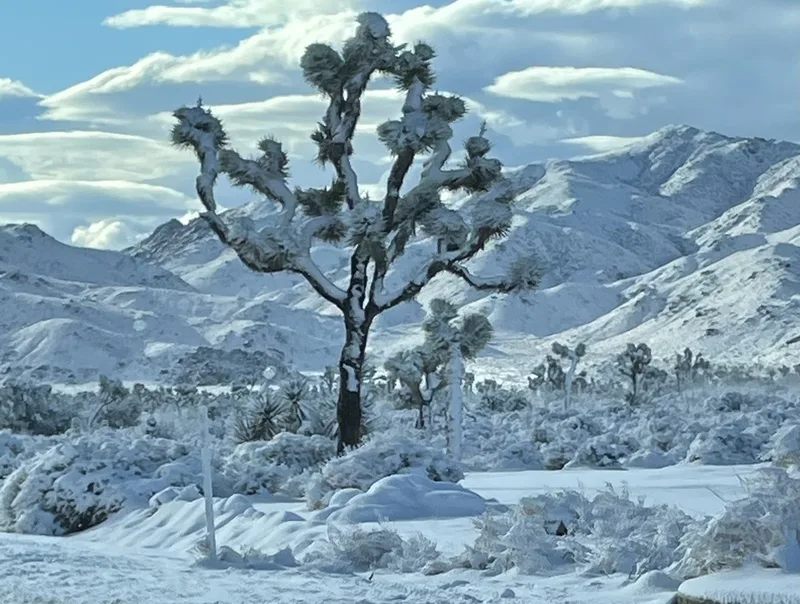
Western Joshua Tree Yucca brevifolia -
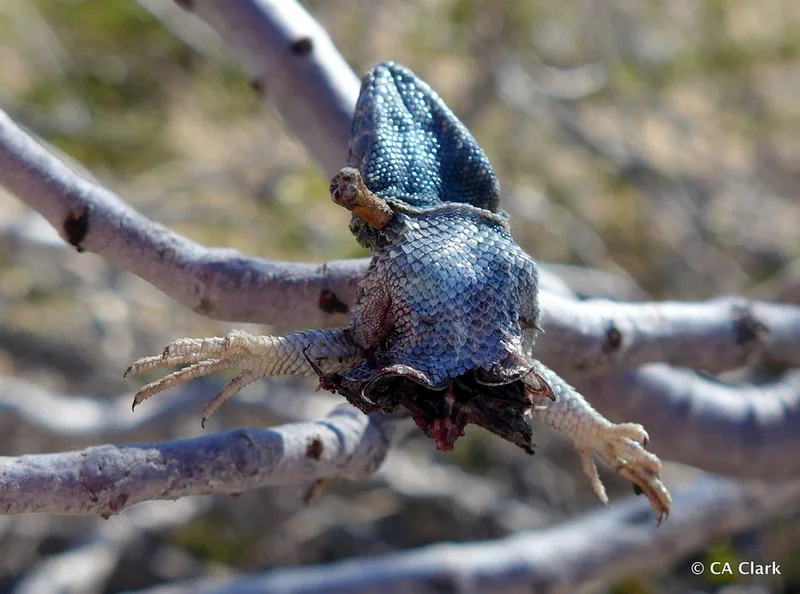
Common Side-blotched Lizard Uta stansburiana -
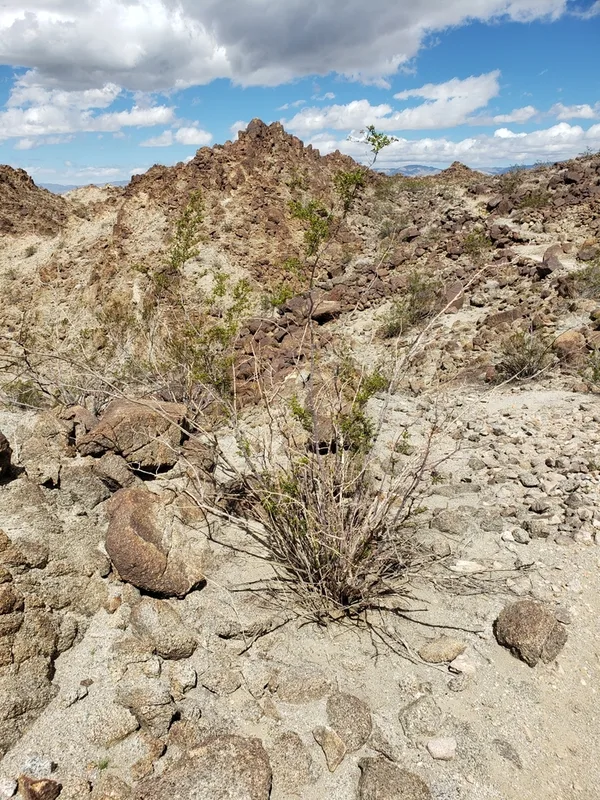
Creosote Bush Larrea tridentata -
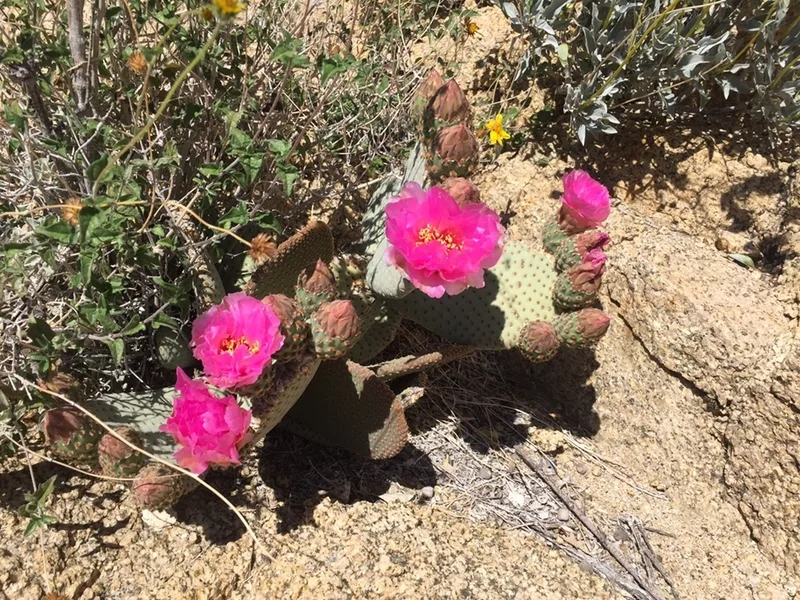
Beavertail Pricklypear Opuntia basilaris -
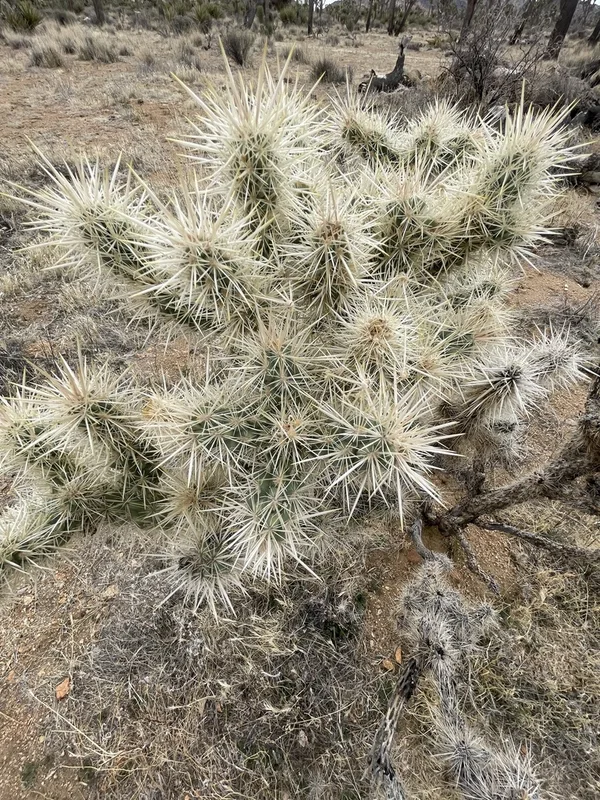
Silver Cholla Cylindropuntia echinocarpa -
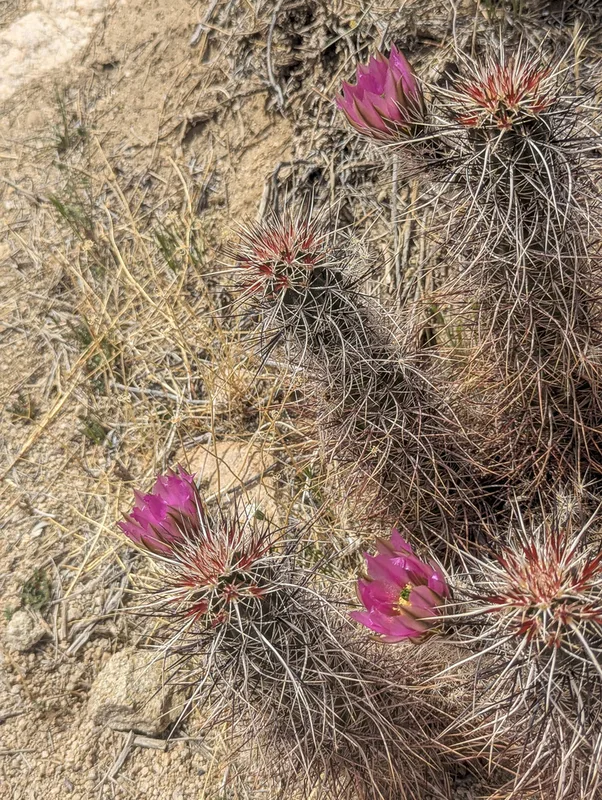
Engelmann's Hedgehog Cactus Echinocereus engelmannii -
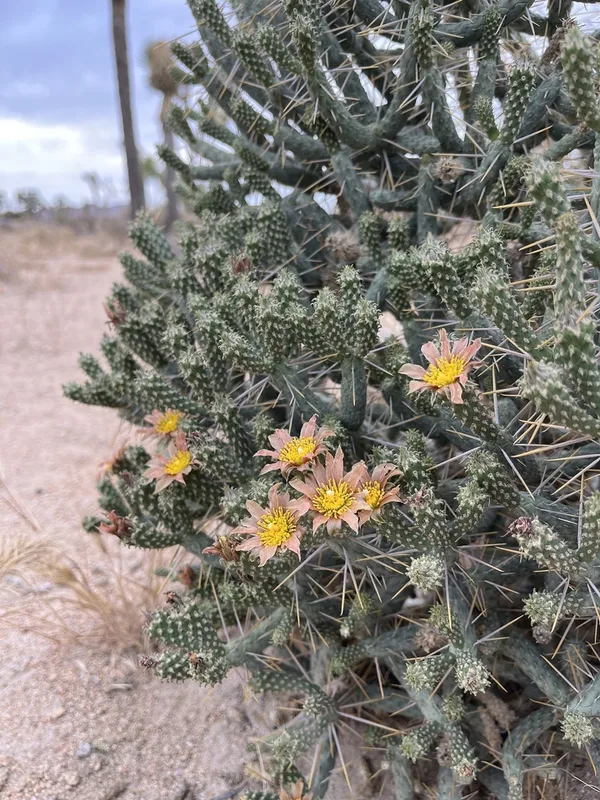
Branched Pencil Cholla Cylindropuntia ramosissima -
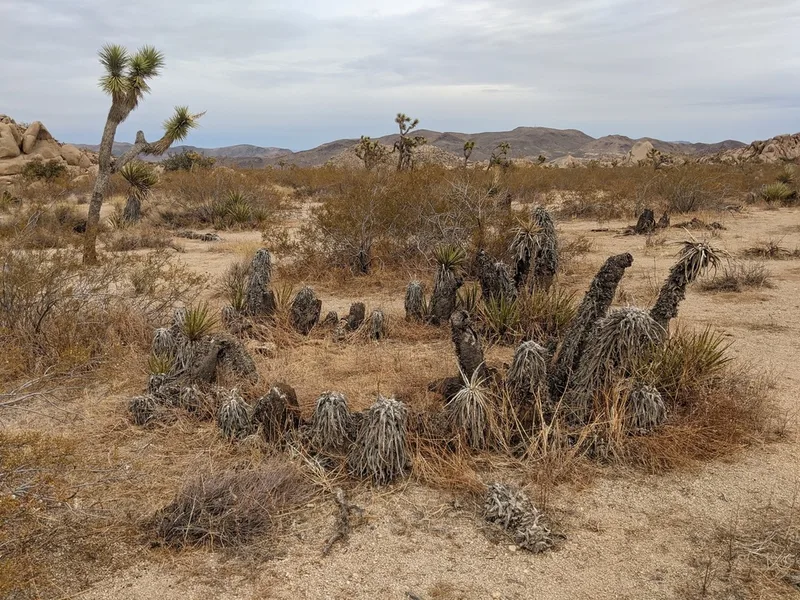
Mojave Yucca Yucca schidigera -
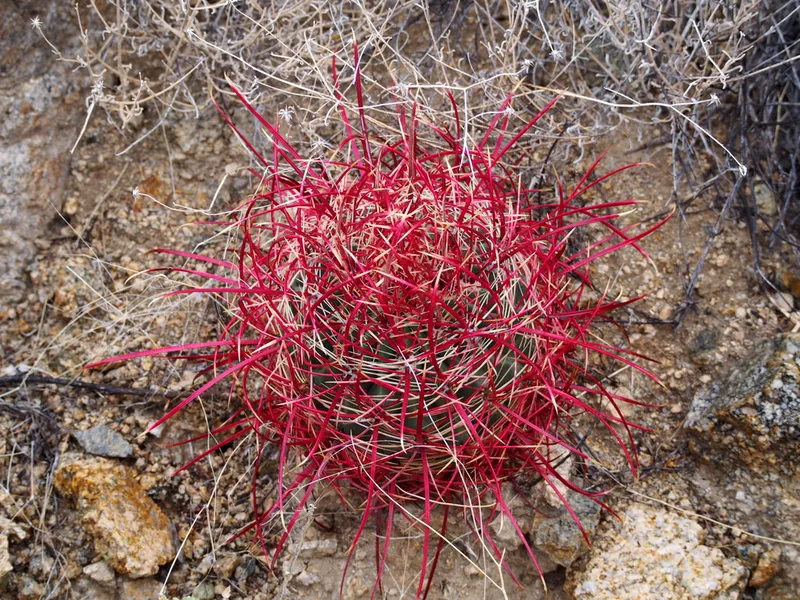
California Barrel Cactus Ferocactus cylindraceus -
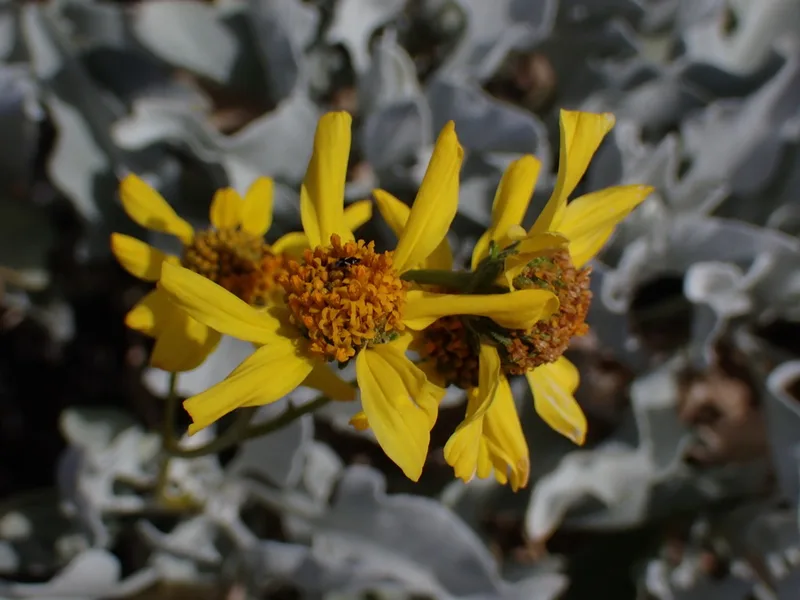
Brittlebush Encelia farinosa -
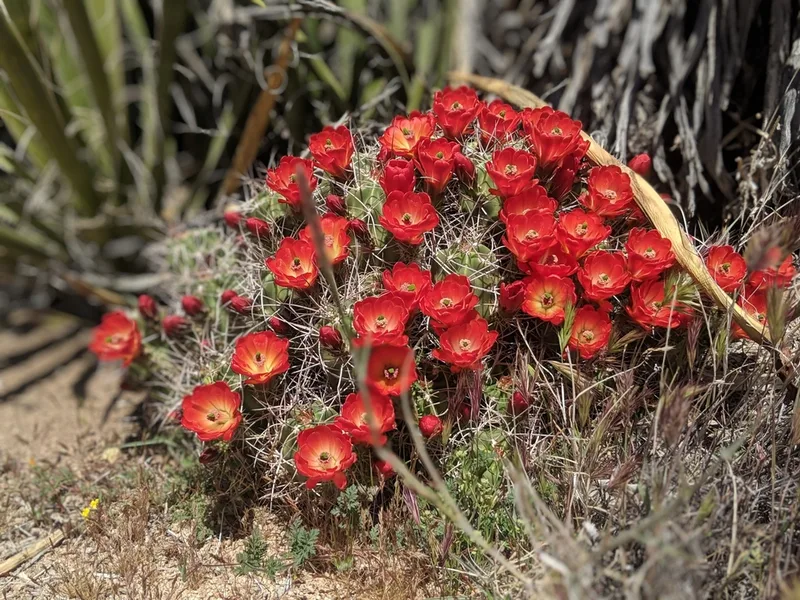
Kingcup Cactus Echinocereus triglochidiatus -
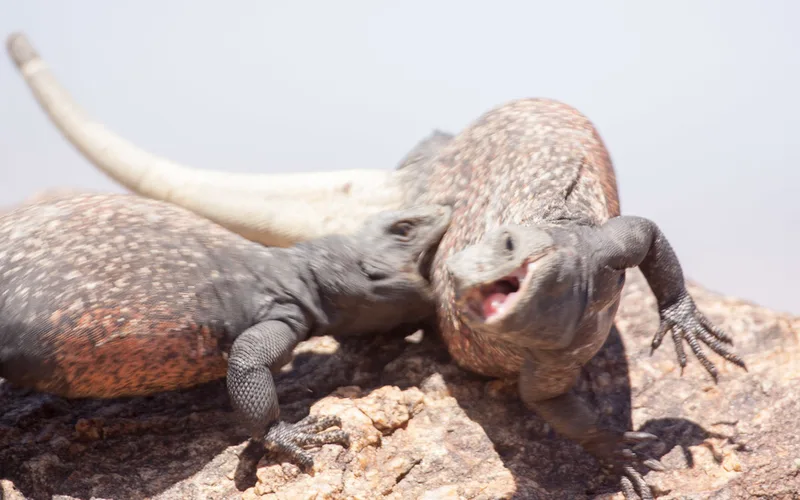
Common Chuckwalla Sauromalus ater
Field Notes · Night Sky lens · Joshua Tree National Park · 33.8971, −115.9511