Joshua Tree
Joshua Tree National Park · California, USA
The desert keeps its water in shapes that look like patience.
Also seen through Night Sky · all at Joshua Tree National Park →.
Why here
Joshua Tree is a desert of granite, alluvial ground, and plants built to wait. The rocks break into rounded forms, the washes carry brief water, and the Joshua trees mark the places where elevation and moisture make a foothold. Look at the landscape as a set of small refuges rather than one empty plain. A boulder gives shade; a wash gathers soil; a tree turns scarce water into height. Deep time is present in the weathered granite and old alluvial fans, but the living desert keeps writing over them with roots, scales, and spines.
The sites
Rock and water
Mastodon Peak
33.7342, −115.7991
Mastodon Peak shows the desert as a meeting of granite and wash. Rounded rock holds shade and heat, while lower ground gathers loose material where a brief storm can leave water. Joshua trees and smaller desert plants use those differences. Walk slowly and look for the edges between boulder, soil, and gravel. The desert is most alive where one surface changes into another.
Find a plant growing beside a boulder rather than in the open. The rock gives shade and slows water, creating a small refuge in dry ground.
- AccessHalf-day hike
- ExertionModerate
- TimeHalf a day
Barker Dam Trail (Easternmost)
34.0263, −116.1470
Barker Dam Trail follows the desert’s effort to hold water. A small reservoir changes the ground around it, giving birds, reptiles, and plants a temporary center. Beyond the water, granite and alluvial fans return quickly. The contrast makes the desert’s basic rule visible: water does not need to be abundant to organize life, but it needs somewhere to stay. Watch the edge between damp and dry ground.
Compare the water-holding ground with the dry rock above it. The change in plant cover shows how a small amount of retained water can reshape a desert pocket.
- AccessShort walk
- ExertionEasy
- TimeHalf a day
The tree in the desert
Queen Vally Trailhead (Easternmost)
34.0333, −116.1078
The Queen Valley trailhead places Joshua trees among the granite country that supports them. Their branching forms are not ornaments added to the desert. They are the visible result of water, elevation, and a plant able to live through long dry intervals. Look at the spacing between trees. The open ground is part of the story, showing where conditions are too dry or exposed for the forest to close.
Find the nearest Joshua tree and look at the ground beneath its branches. Shade changes the soil and gives smaller plants a different chance to survive.
- AccessShort walk
- ExertionEasy
- TimeAn hour
Queen Vally Trailhead (Westernmost)
34.0241, −116.1428
The western trailhead gives another view of the Joshua tree’s relationship with slope and water. Look for trees concentrated in shallow valleys and open ground on the ridges. The pattern is subtle, but it is a map of runoff and exposure. A desert plant does not need a river beside it; it needs a reliable enough sequence of small advantages.
Compare trees in a shallow valley with those on the nearby rise. The lower ground catches more runoff, while the ridge sheds it quickly.
- AccessShort walk
- ExertionEasy
- TimeAn hour
Life on bare ground
Alligator
33.7023, −115.4099
Alligator keeps the attention on exposed desert ground. A side-blotched lizard can use warm rock, while the surrounding plants occupy cracks and washes where the surface is less severe. Look at how little distance separates heat, shade, and shelter. The desert’s deep history is in the granite and alluvial deposits; its present history is in the small choices made by each living thing.
Search the warm side of a rock for a side-blotched lizard, then look for the nearest shaded crack. The two surfaces create different temperatures within a few steps.
- AccessShort walk
- ExertionEasy
- TimeAn hour
When it's best
Cooler months are easiest for walking the open desert, while spring can bring flowers after rain. Summer heat makes early hours important. Clear nights and changing light sharpen the granite forms in every season. Watch for heat, shade, and the condition of loose surfaces as you move among the rocks.
Go deeper
The names behind what you saw. The payload includes young and older alluvial deposits. Western Joshua tree, Yucca brevifolia, and common side-blotched lizard, Uta stansburiana, are signature life.
To read next. - Joshua Tree’s geological map — for granite, washes, and alluvial fans. - Desert ecology resources — for how plants and reptiles use shade and brief water.
The names behind what you saw
What lives here, and what it's called. Photographs from open collections — an aid to identification, not decoration.
-
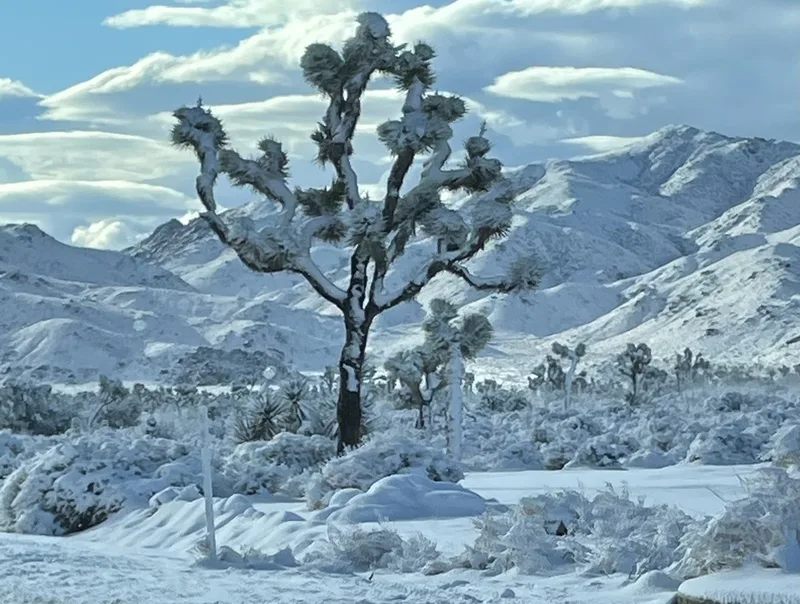
Western Joshua Tree Yucca brevifolia -
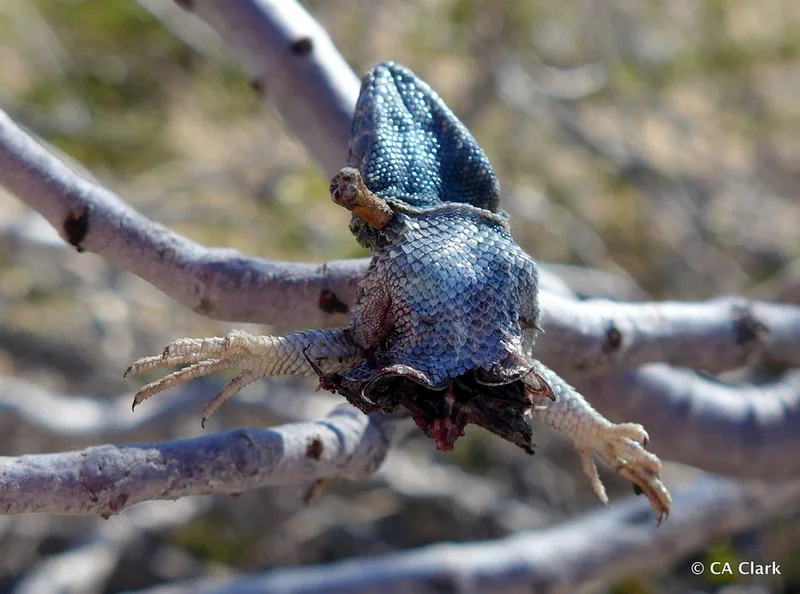
Common Side-blotched Lizard Uta stansburiana -
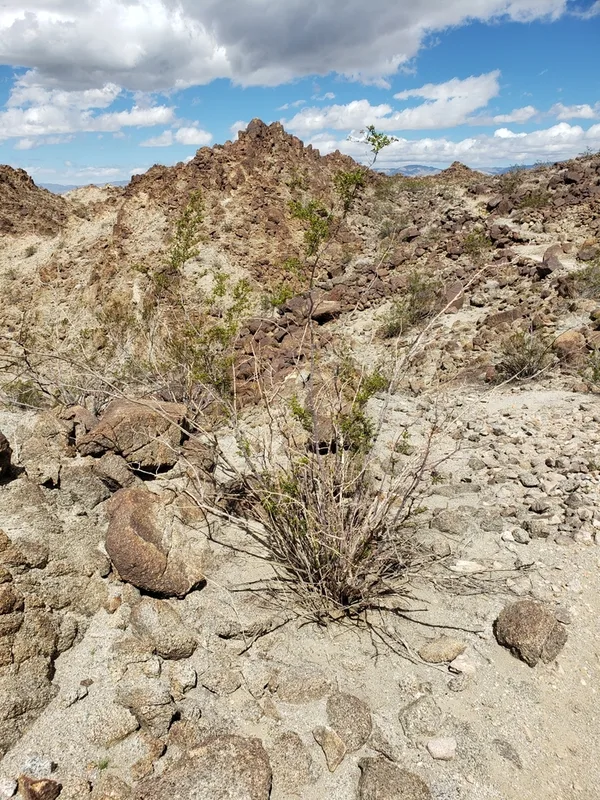
Creosote Bush Larrea tridentata -
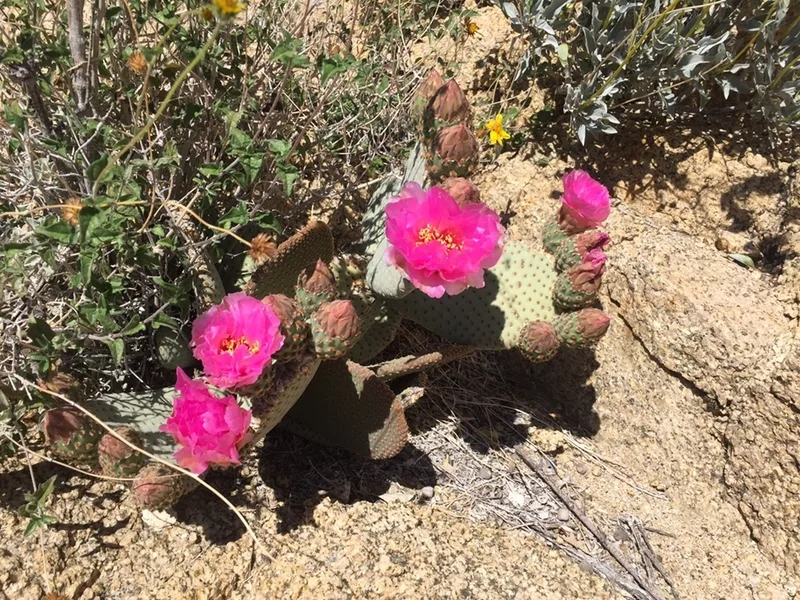
Beavertail Pricklypear Opuntia basilaris -
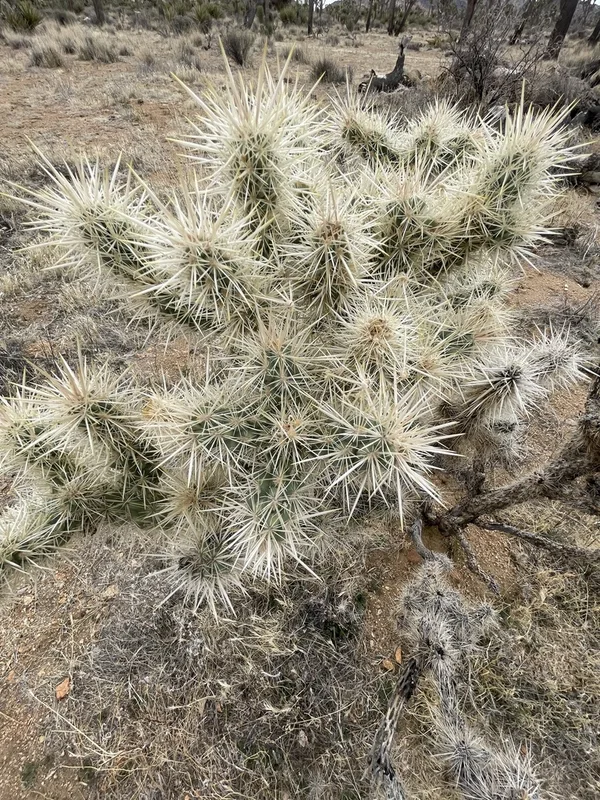
Silver Cholla Cylindropuntia echinocarpa -
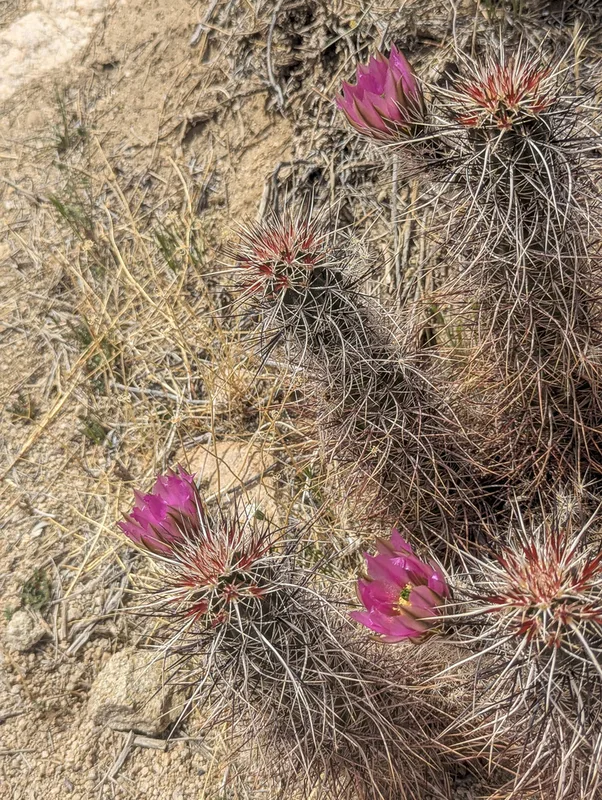
Engelmann's Hedgehog Cactus Echinocereus engelmannii -
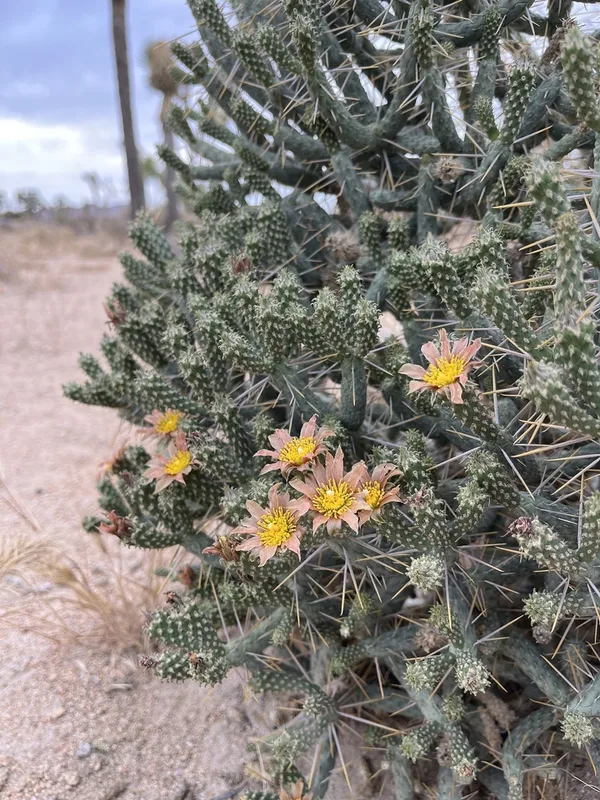
Branched Pencil Cholla Cylindropuntia ramosissima -
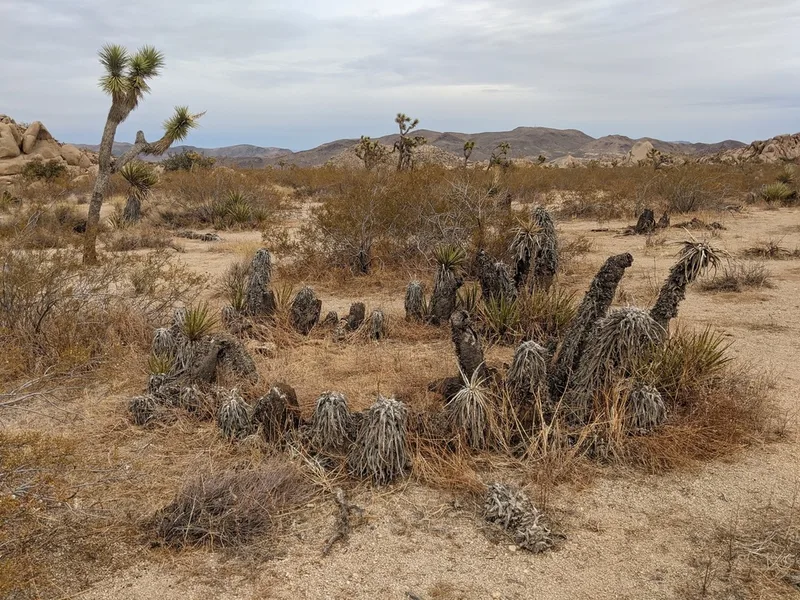
Mojave Yucca Yucca schidigera -
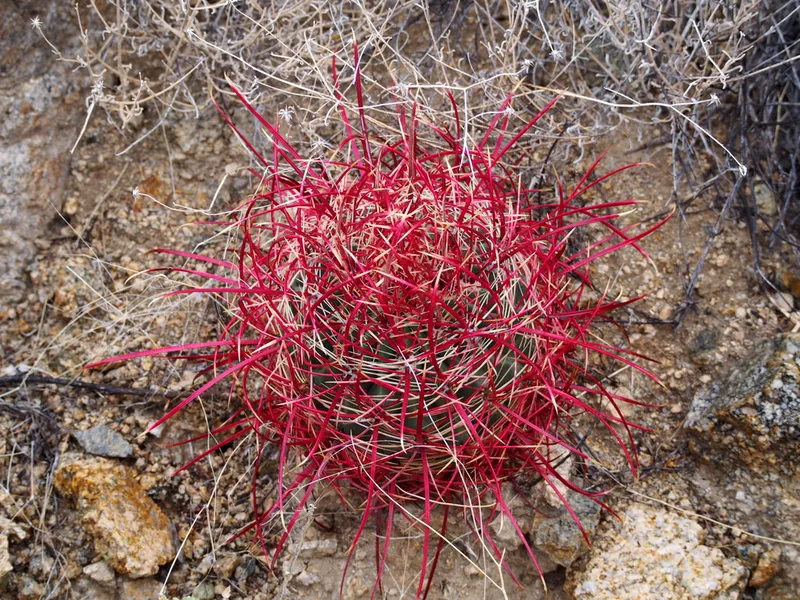
California Barrel Cactus Ferocactus cylindraceus -
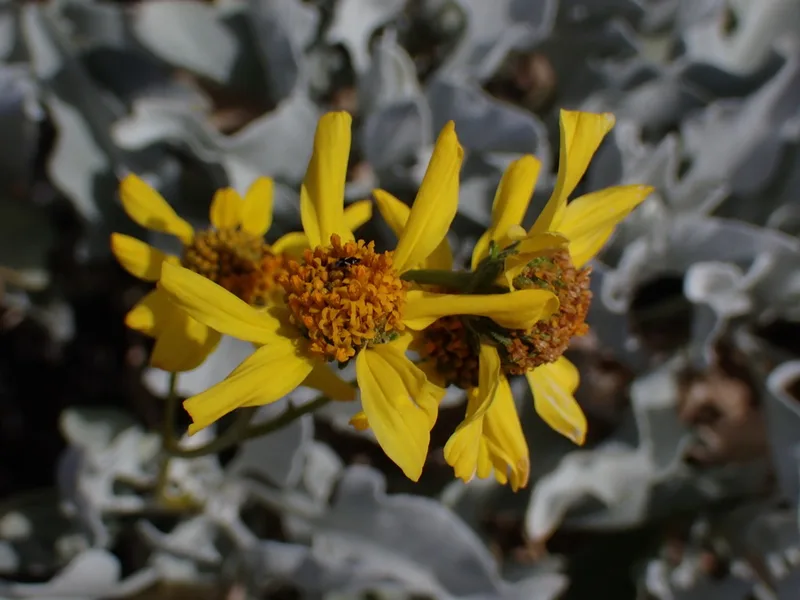
Brittlebush Encelia farinosa -
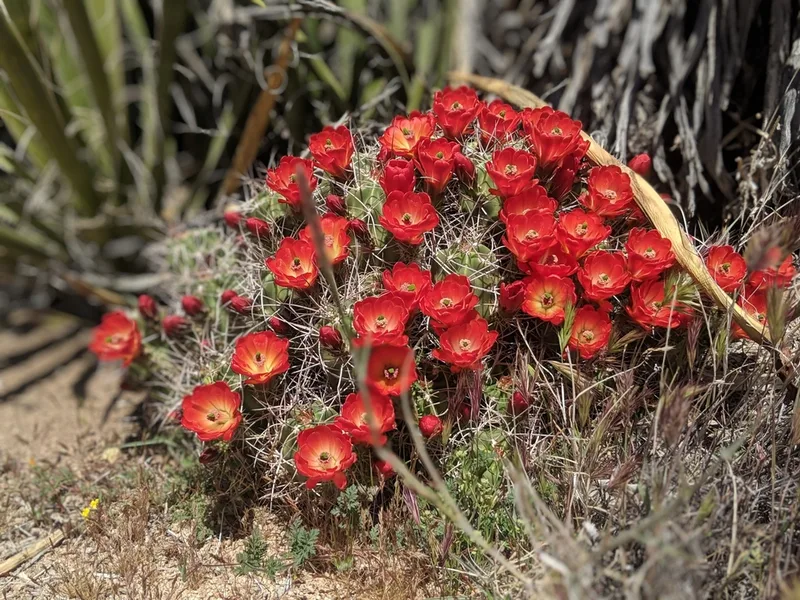
Kingcup Cactus Echinocereus triglochidiatus -
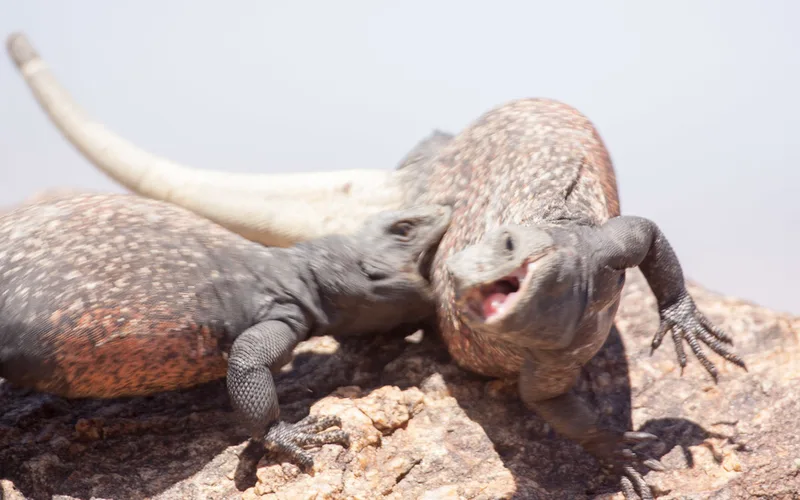
Common Chuckwalla Sauromalus ater
Field Notes · Desert & Deep Time lens · Joshua Tree National Park · 33.8971, −115.9511