Jasper
Municipality of Jasper · Alberta, Canada
The mountains make the darkness legible by giving it a horizon.
Also seen through Ice & Glaciers · all at Municipality of Jasper →.
Why here
Jasper’s night begins with its mountains. Long ridges and glacial valleys make a clean frame for the sky, while the high, dry air opens space above the forest. In daylight, the valleys show the work of ice; after dark, they become corridors of shadow beneath the stars. The two views belong together. A glacier widened the low ground, and that low ground now keeps the nearest horizon simple. Stand at a lookout until the last color leaves the peaks. The sky will not arrive all at once. It will separate into layers, with the dark mountain shapes below and older light above.
The sites
A mountain horizon
Signal Mountain Lookout
52.8673, −117.9853
Signal Mountain Lookout gives the night a long, broken horizon. The valley below is the broad route ice left behind, while the ridges keep the sky from becoming an undifferentiated dome. Arrive before sunset and watch the mountains lose detail. The change teaches your eyes how to read the darkness: first as rock, then as silhouette, then as a frame for stars. Stay still after the first stars appear. Faint light near a mountain edge takes time to separate from the land.
Keep one ridge in view while your eyes adjust. Notice when the first stars become visible just above it, then look slightly away from direct gaze to find fainter light.
- AccessDrive-up
- ExertionEasy
- TimeAn hour
Mount Clairvaux
52.8058, −118.4166
Mount Clairvaux supplies a dark foreground for the stars. Its rock is old, while the light overhead has traveled across distances too large for the mountain to measure. The contrast is not an abstract fact when the peak becomes a black shape beneath the sky. Use the summit or ridge line as a steady reference and let the sky move around it. A mountain gives the eye a place to return to while the rest of the scene keeps expanding.
Look just to one side of the peak rather than directly at it. Your peripheral vision is better at catching faint stars, and the mountain keeps your eye oriented.
- AccessHalf-day hike
- ExertionStrenuous
- TimeA full day
Dark valleys
Arris Mountain
52.7792, −118.2595
Arris Mountain looks into the dark routes between the ranges. By day, those valleys show the shape of glacial movement; by night, they absorb the last light and make the stars overhead seem closer. Listen for the landscape as well as looking at it. Wind moving through a mountain pass and an elk calling from lower ground can make the darkness feel inhabited without adding any artificial light. The sky is oldest, but the valley is still present beneath it.
Find the lowest dark line between two ridges and hold it in view. The valley’s shadow makes the stars immediately above it easier to separate from the mountain.
- AccessHalf-day hike
- ExertionStrenuous
- TimeA full day
Life under the stars
Bucephalus Peak
52.8223, −118.4444
At Bucephalus Peak, exposed ground and high air make the relationship between life and night visible. Great blanketflower occupies brief openings in the growing season, while bighorn sheep use the steep slopes. After dark, their absence becomes part of the scene. The mountain does not become empty when the plants and animals are hidden; it becomes a place where sound, silhouette, and sky carry more of the information. Give the peak a quiet hour and let the high country change registers.
Listen for movement on the slope while watching the sky above it. The sound of an unseen animal makes the dark mountain a living foreground rather than a blank silhouette.
- AccessHalf-day hike
- ExertionStrenuous
- TimeA full day
Curia Mountain
52.7959, −118.3378
Curia Mountain is a place to notice how little artificial light is needed for a landscape to remain readable. A pale ridge, a dark forest, and the first stars can be enough. In daylight, common juniper and other high-country plants mark the slopes; at night, their outlines become a low texture beneath the sky. Do not chase every viewpoint. Stay with one piece of ground and watch the stars move relative to it. The oldest view is not separate from the mountain. It is the mountain’s nightly companion.
Choose a low shrub or ridge as a foreground marker and watch the sky for several minutes. The stars’ movement becomes clearer when the land remains fixed.
- AccessShort walk
- ExertionModerate
- TimeHalf a day
When it's best
Clear nights near a new moon give the darkest sky, while summer and early fall offer the easiest access to high viewpoints. Winter brings longer darkness but colder conditions and more snow. The mountains remain a useful reference in every season, even when cloud hides the stars. Let the moon and weather set the evening rather than treating darkness as a fixed guarantee.
Go deeper
The names behind what you saw. Jasper’s geology includes Neoproterozoic sedimentary rock. Elk, Cervus canadensis, and bighorn sheep, Ovis canadensis, move through the valleys and slopes below the sky.
To read next. - Jasper’s geological map — for the glacial valleys and ridges that frame the night. - The park’s night-sky material — for the relationship between darkness, moonlight, and mountain weather.
The names behind what you saw
What lives here, and what it's called. Photographs from open collections — an aid to identification, not decoration.
-
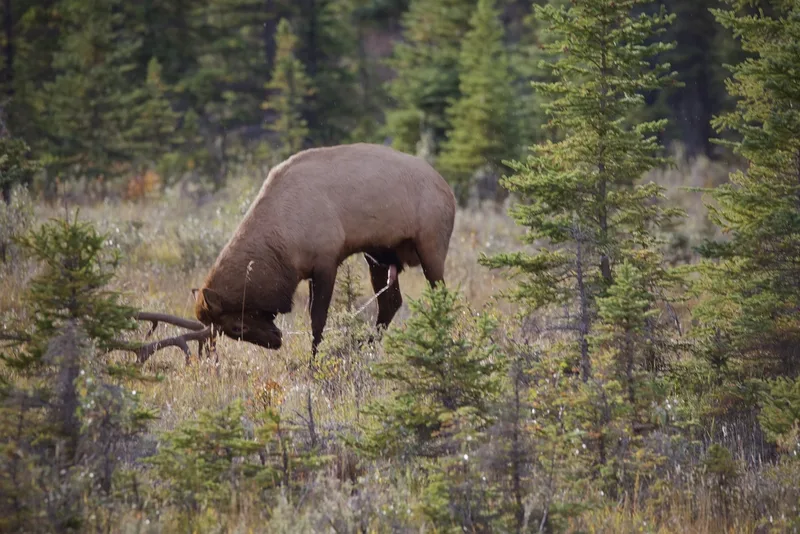
Elk Cervus canadensis -
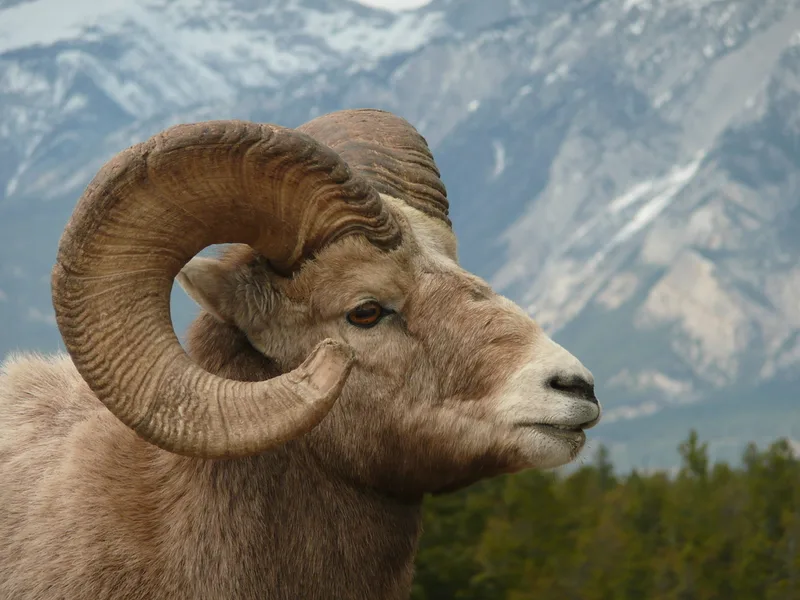
Bighorn Sheep Ovis canadensis -
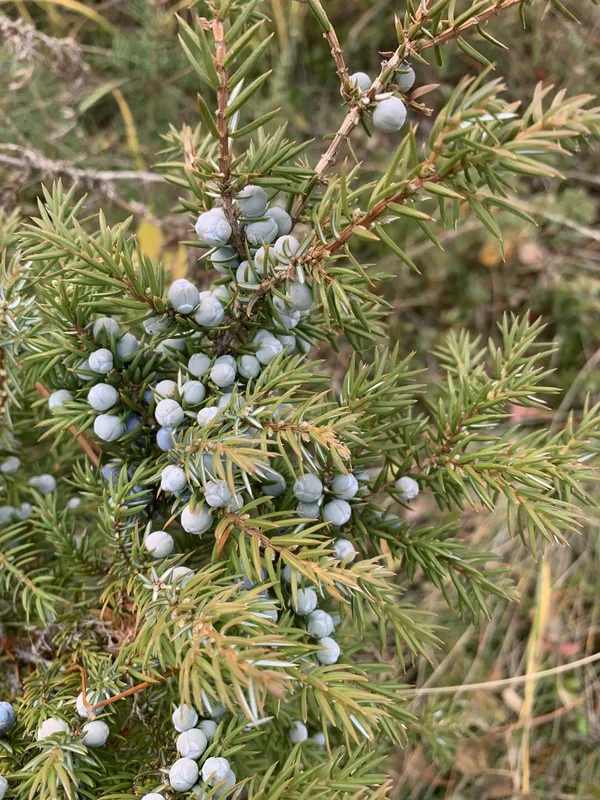
common juniper Juniperus communis -
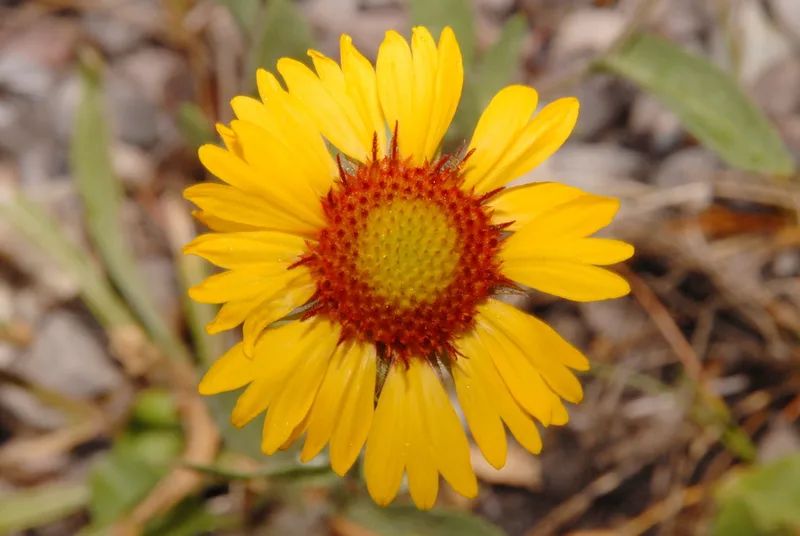
great blanketflower Gaillardia aristata -
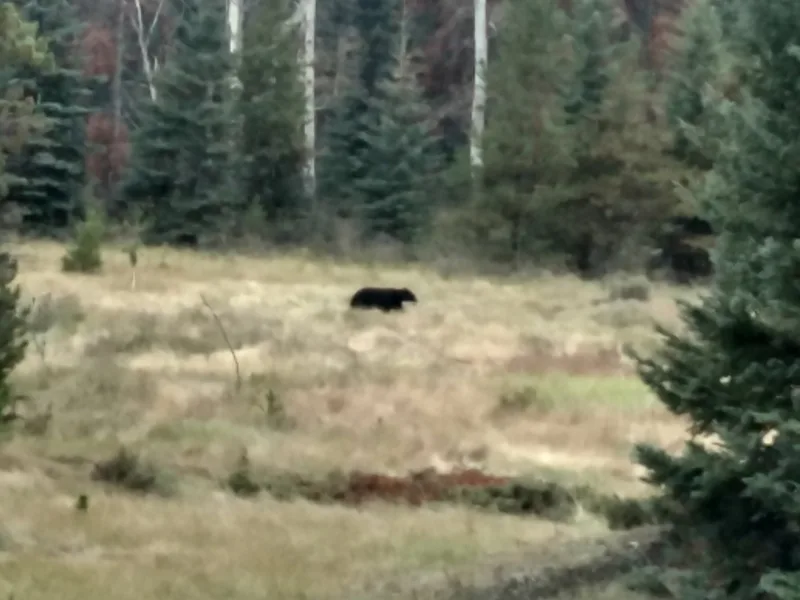
American Black Bear Ursus americanus -
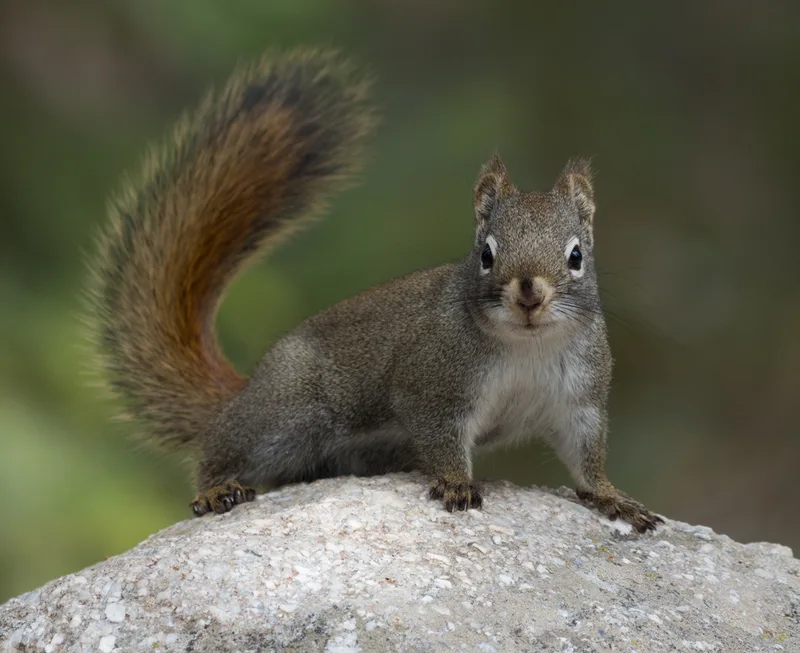
American Red Squirrel Tamiasciurus hudsonicus -
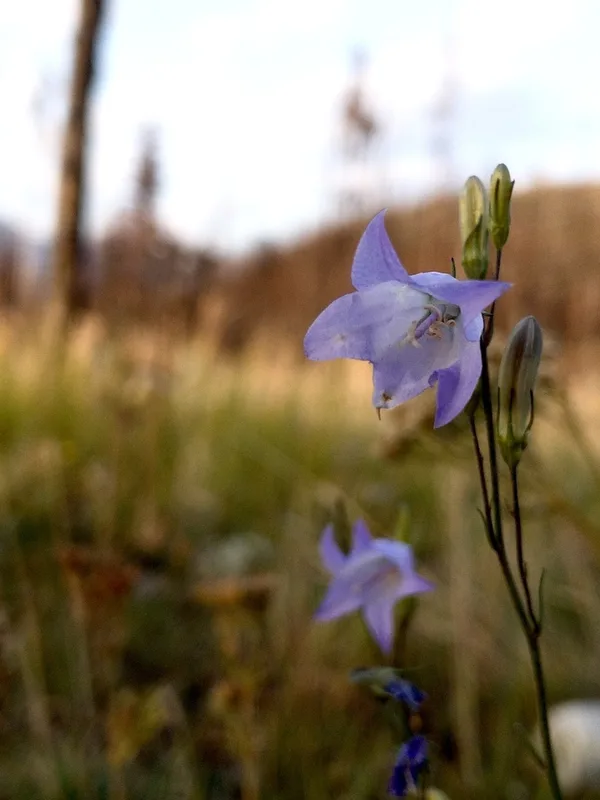
Alaskan bellflower Campanula alaskana -
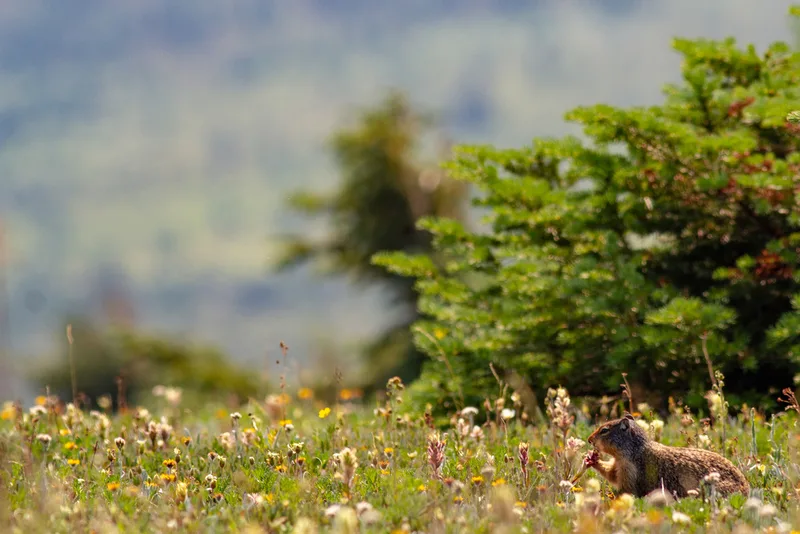
Columbian Ground Squirrel Urocitellus columbianus -
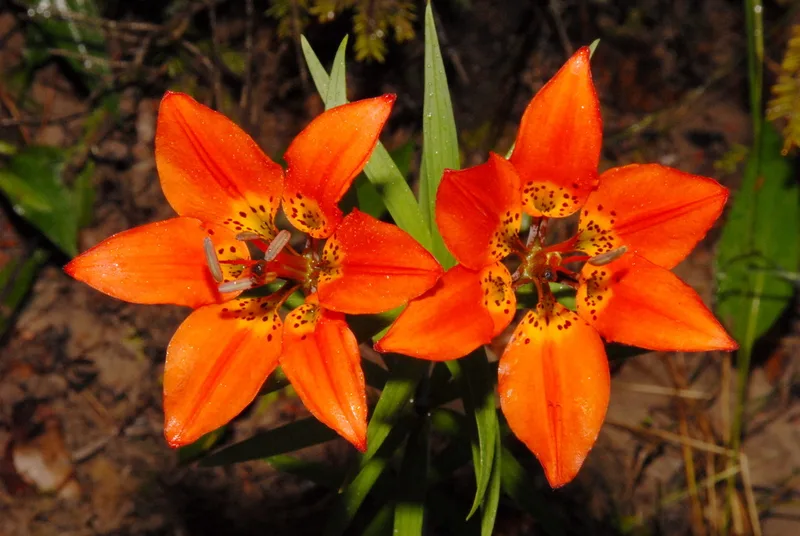
Wood Lily Lilium philadelphicum -
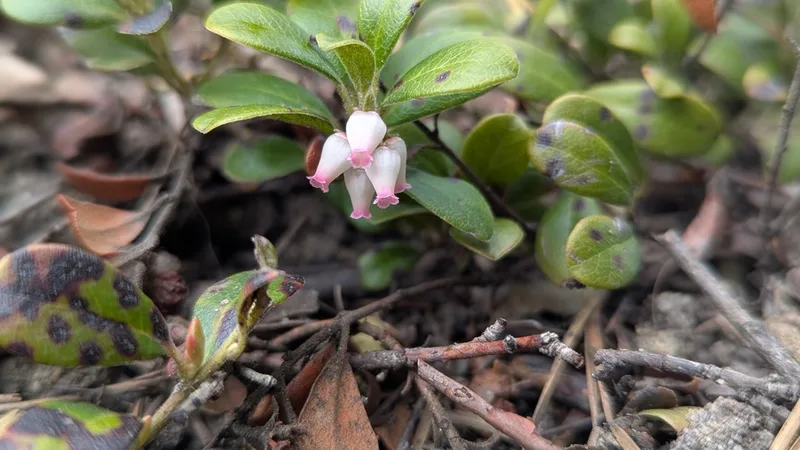
bearberry Arctostaphylos uva-ursi -
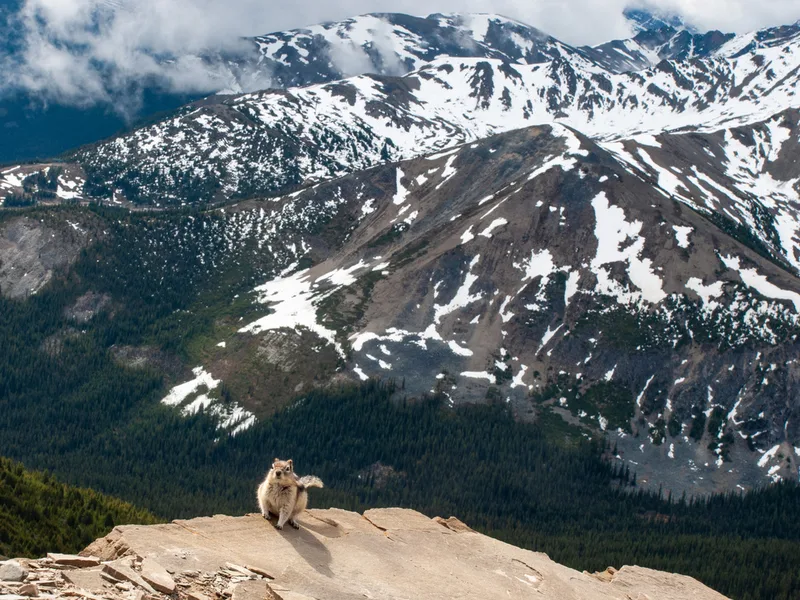
Common Golden-mantled Ground Squirrel Callospermophilus lateralis -
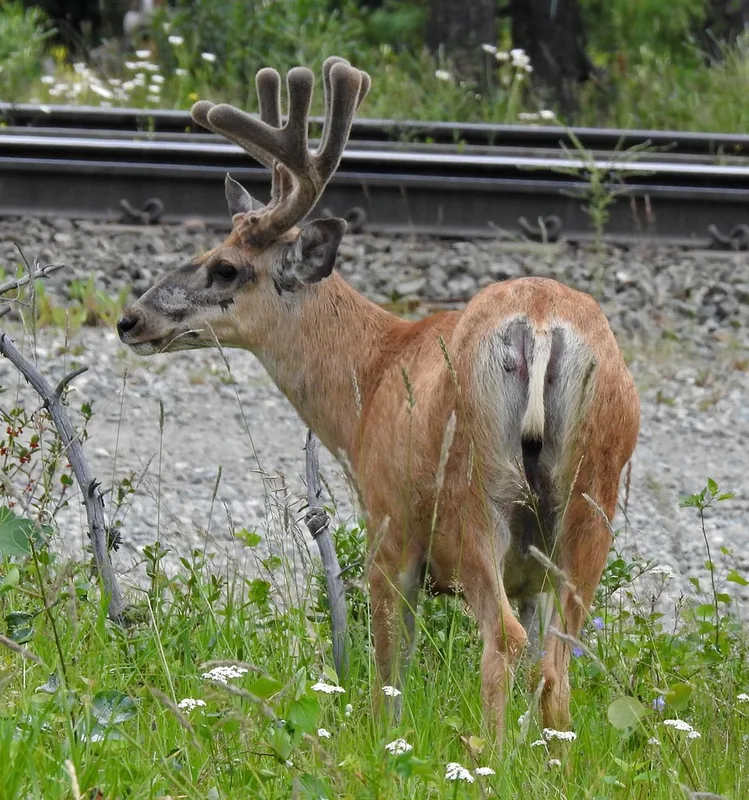
Mule Deer Odocoileus hemionus
Field Notes · Night Sky lens · Municipality of Jasper · 52.8752, −118.0824