Haleakalā
Haleakalā Visitor Center · Hawaii, USA
Most of the island is one mountain's doing, and the mountain is not yet finished.
Also seen through Night Sky · all at Haleakalā Visitor Center →.
Why here
Three-quarters of the island under your boots is the work of one volcano, and it is the one you are standing on. Haleakalā built the eastern bulk of Maui the way all these islands are built — flow on flow of runny lava, each sheet cooling and the next running over it, until a broad mountain rose straight out of the sea. It is not finished. Geologists still count it among the living: a volcano resting between eruptions rather than one that is done.
What the summit gives you is the building laid bare. Cinder cones stand heaped inside a great high basin; fields of sharp black rock sit barely softened by weather; and here and there a single tough plant takes hold in ground that offers it almost nothing. Come up nearly two miles from the coast and the air thins, the cold bites, and the green world drops away below the clouds. Spend a day walking the high country and the mountain stops being a view. It becomes a thing still being made, and just as slowly being taken back.
The story
The mountain came up out of the sea the way all these islands do: lava, and then more lava. Runny flows built the broad, gently sloped shield that is now the eastern three-quarters of Maui, and later, rougher eruptions piled loose cinder into cones near the summit. Much of the high ground is sharp, broken rock — lava that hardened into clinker rather than smooth sheet — and it is young enough that in many places almost nothing grows on it yet.
Life arrives slowly, and from a long way off. On the bare summit cinder, look for kūpaoa, a low shrub with silvery, close-packed leaves, tough enough to hold ground that sheds soil and water almost as fast as it gets them. Lower down, where the slope keeps more moisture, the red-flowered ʻōhiʻa lehua roots in the cracks, and the crimson ʻapapane feeds at its blossoms. On the open slopes you may meet the nēnē, a native goose whose relatives keep to water but which gave that up to walk these dry volcanic fields.
People came late and used the mountain for what it is. In the island’s territorial days, foresters planted a grove of imported trees on its flank to test what would grow — a stand that now shelters native honeycreepers. Higher still, astronomers built on the summit because its height lifts them above much of the sky’s haze. Who lived on the mountain before them, the record gathered here does not say.
The sites
The volcano, read from the summit
Haleakalā
20.7180, −156.2500
From the high rim, the whole summit basin opens below you — a broad, deep hollow with a floor of bare rock and a scatter of cinder cones standing across it. Read the two scales against each other. The mountain itself is a shield: built from countless thin, runny lava flows, it rises in a long, gentle slope you can trace for miles down toward the sea, the shape all these island volcanoes take. The cones on the basin floor are a later, rougher habit — places where an eruption threw out loose cinder and half-molten blobs that piled up around a single vent into a steep heap. Much of the ground here is sharp, broken lava, the kind that hardens into clinker rather than smooth sheet, and it is young enough that weather has barely touched it. Stand here long enough to feel the size of it: one volcano built the eastern three-quarters of the island, and this basin near its top is where its work is easiest to read. The building is not finished; the mountain is resting, not done.
Pick out one of the cinder cones standing on the basin floor and compare its steep, loose sides with the long, gentle slope of the mountain falling away outside the rim. The two shapes are two ways lava builds land — thin runny flows spreading wide and flat, and frothy cinder piling steep around a single vent. One mountain holds both.
- AccessDrive-up
- ExertionEasy
- TimeAn hour
Haleakalā Visitor Center
20.7151, −156.2498
The visitor center stands right at the edge of the summit basin, nearly two miles above the sea, and it is a fine place to feel how the mountain makes its own conditions. The air here is thin and cold even under full sun, and cloud often rises through the basin in the afternoon and closes the view, then pulls back to open it again. Around the building the ground is mostly bare cinder and broken rock, but look into the sheltered pockets between the stones and you will find low, hardy plants holding on where a little soil and moisture collect. This is the pattern of the whole high country: an open, punishing surface of young volcanic rock, and life confined to the cracks and hollows that give it some shelter. From the rim the cinder cones stand across the floor below, and the walls drop away in stacked bands of old flows. Give the weather time — the volcanic shape stays fixed while the cloud comes and goes across it, and the mountain is at its most legible in the moments the view opens.
Look into the low pockets between the rocks near the building and find a plant growing there while the open cinder a step away stays bare. The hollow catches the thin soil and the little moisture the slope otherwise sheds — on young volcanic ground, shelter is the whole difference between a plant and bare rock.
- AccessDrive-up
- ExertionEasy
- TimeAn hour
Life on the young rock
Haleakalā National Park
20.7204, −156.1552
The park’s high summit district is the place to watch life make its slow claim on young volcanic ground. On the open cinder, look for kūpaoa — a low shrub with silvery, close-packed leaves, built to hold moisture on a surface that sheds both water and soil almost as fast as it gets them. It is one of a small company of plants that found their own way to live on bare high lava, each arriving from far off across open ocean and adapting to ground that offers almost nothing. Watch the open slopes, too, for the nēnē, the native goose: a bird whose relatives keep to water but which gave that up to walk these dry volcanic fields, its feet less fully webbed than a goose’s should be, for exactly this reason. The lesson of the district is patience. The cinder looks lifeless at a glance, but the closer you look, the more you find a thin, tough, particular community — every plant and bird here a specialist in living on rock that is still, in geological terms, brand new.
Kneel by a stretch of open cinder and find a single kūpaoa shrub holding its ground. Notice its tight silvery leaves — pale to throw back the strong high sun, close-packed to keep the little water it catches. On ground this bare and this young, every plant you see is solving the same hard problem its own way.
- AccessShort walk
- ExertionEasy
- TimeHalf a day
Hosmer's Grove
20.7714, −156.2406
Lower on the mountain, where the slope holds more moisture than the exposed summit, stands a small grove of trees planted long ago. In the island’s territorial days, foresters set out imported species here to test what would grow on the volcano’s flank — an experiment in forestation whose stand still holds. What draws people now is the birdlife: the grove and the native woods around it shelter several of the island’s honeycreepers, among them the crimson ʻapapane and others found nowhere off these islands. It makes a plain point about the volcano. A shield this tall stacks several climates up its side, from dry, wind-scoured cinder at the top to sheltered, moister forest lower down, and the living world shifts with each step of elevation. Walk a short loop from the open edge into the trees and feel the change — the wind drops, the air softens, birdsong replaces the summit’s silence. The same mountain that offers the honeycreepers a forest here offers the summit plants only bare rock.
Step from the open edge into the trees and stop where the wind falls away. Listen for a fast, bright, chattering song high in the branches — often the ʻapapane, a small crimson bird that works the red ʻōhiʻa blossoms for nectar. It thrives here, on the moist middle slope, precisely where the bare summit could not keep it.
- AccessShort walk
- ExertionEasy
- TimeHalf a day
Using the high ground
Haleakalā Observatory
20.7083, −156.2571
Near the summit, a cluster of white domes marks where people put the volcano to a use it fell into by accident. The mountain is high enough that its top stands above much of the atmosphere’s haze and cloud, and the air up here is unusually clear and dry — so astronomers built their telescopes on it, on the same bare volcanic ground as everything else at this height. The instruments look outward at the sky, but the reason they can is underfoot: a volcano built tall enough, flow by flow, to lift them nearly two miles clear of the sea and above a good part of the weather. It is worth pausing on the trade. The same height that makes the summit cruel for a plant — thin air, hard cold, bare cinder — is exactly what makes it valuable for a telescope. Look outward from here across the clouds and the point is plain: the observatory is one more thing the mountain made possible simply by being as large as it is.
Look downhill from the domes and find the cloud layer sitting below you on the mountain’s flank. That is the haze and weather the astronomers came up here to get above — and it is the volcano’s own height, built lava flow on lava flow, that lifts you clear of it.
- AccessDrive-up
- ExertionEasy
- TimeAn hour
When it's best
The summit keeps one rule in every season: it is cold, and the air is thin. Even under strong sun the high ground runs near freezing, and wind can make it colder, so come dressed for it whatever the month. Mornings are your friend — the air is clearest early, and by afternoon cloud tends to build and rise through the basin, closing the long views before pulling back to open them again. Drier stretches of the year make the high road and the open cinder easier going. Down at the grove, the small native forest birds are about all year; the quiet of early morning, before the wind picks up, is the easiest time to catch them.
Go deeper
The names behind what you saw. The mountain is a shield volcano — a broad, gently sloped volcano built from fluid basaltic lava. Its rough summit flows are mapped as the Kula Volcanics; the wider volcanic pile is recorded as Cenozoic volcanic rocks. The tough silver shrub of the summit cinder is kūpaoa, Dubautia menziesii; the red-flowered pioneer tree lower down is ʻōhiʻa lehua, Metrosideros polymorpha; the crimson bird that feeds at its flowers is the ʻapapane, Himatione sanguinea; and the ground-going goose of the dry slopes is the nēnē, or Hawaiian goose, Branta sandvicensis.
To read next. The deeper sources gathered for this note are thin, so start broad and follow the threads that caught you: - The overview of Haleakalā itself — for how one shield volcano came to build three-quarters of Maui, and why it is still counted among the living. - The account of Hosmer’s Grove — for the territorial-era planting experiment that now shelters the island’s native honeycreepers. - The record of the Haleakalā Observatory — for why astronomers prize this particular summit’s height and its clear, dry air.
The names behind what you saw
What lives here, and what it's called. Photographs from open collections — an aid to identification, not decoration.
-
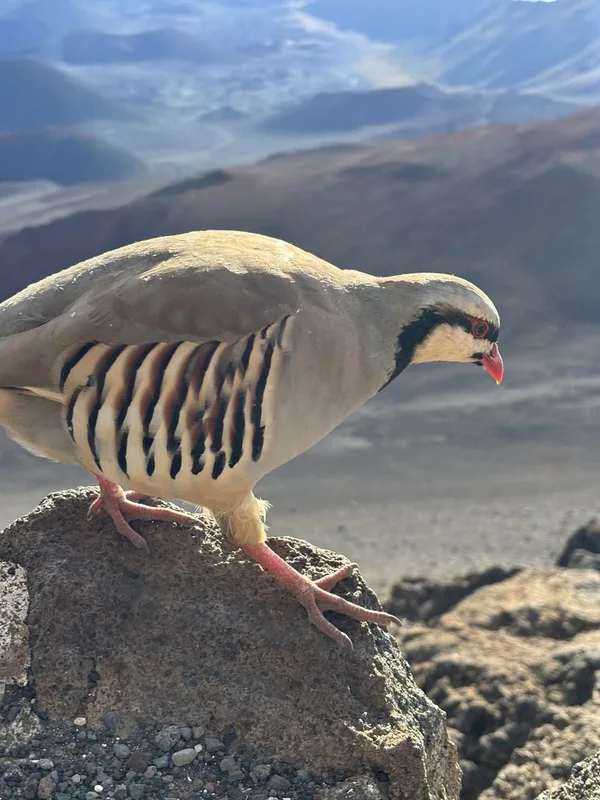
Chukar Alectoris chukar -
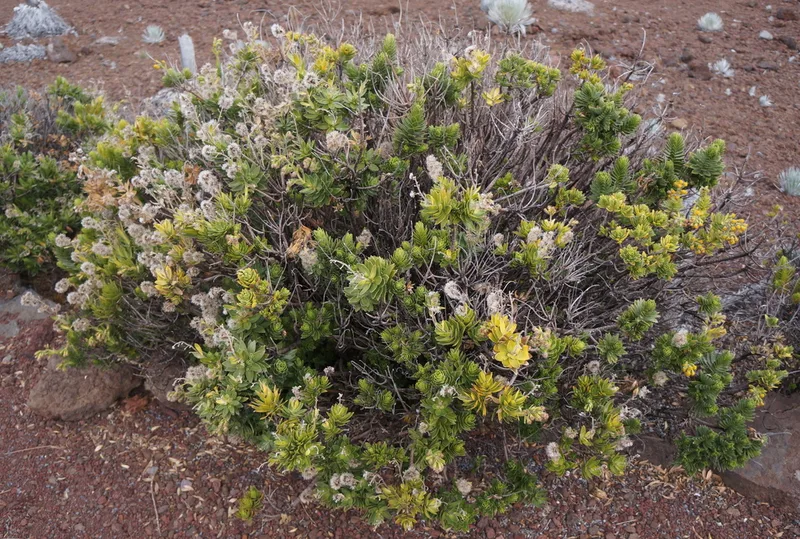
Kūpaoa Dubautia menziesii -
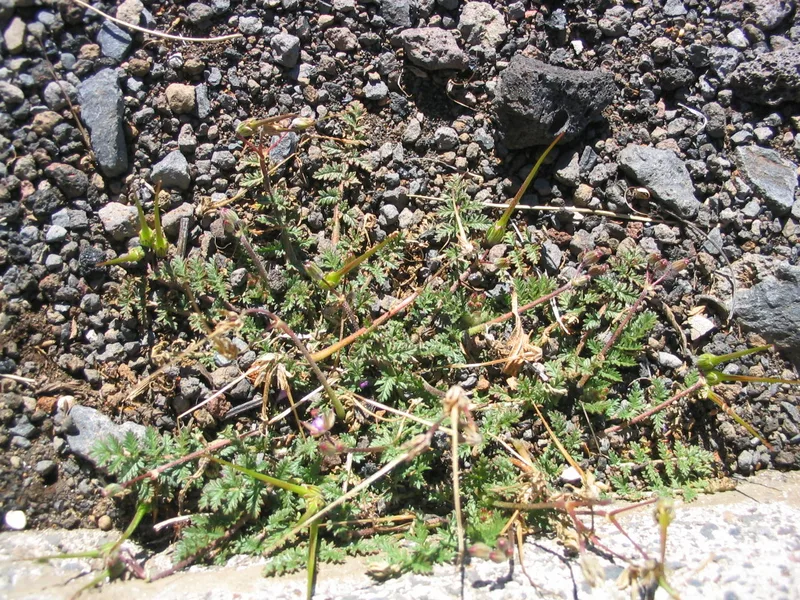
Redstem Stork's-bill Erodium cicutarium -
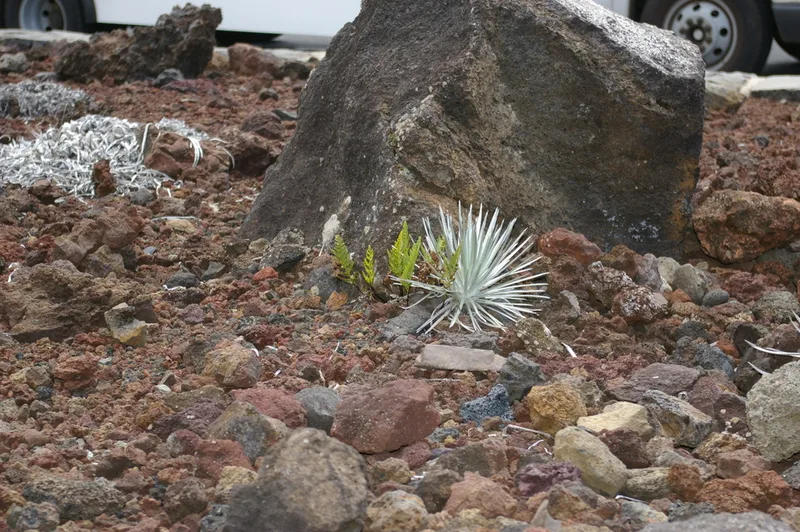
black spleenwort Asplenium adiantum-nigrum -
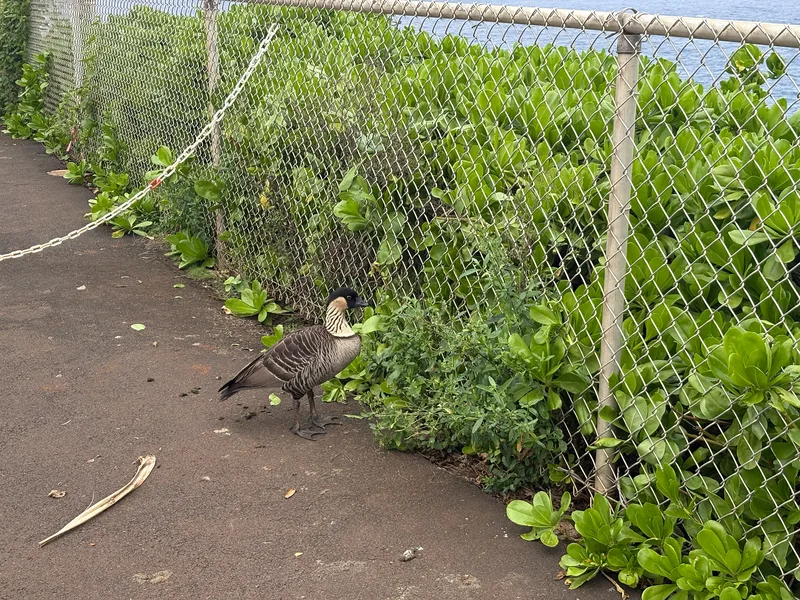
Hawaiian Goose Branta sandvicensis -
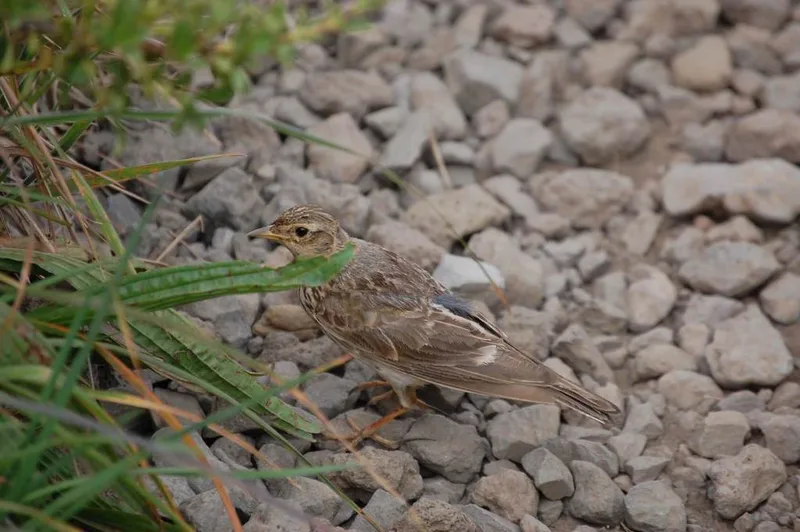
Eurasian Skylark Alauda arvensis -
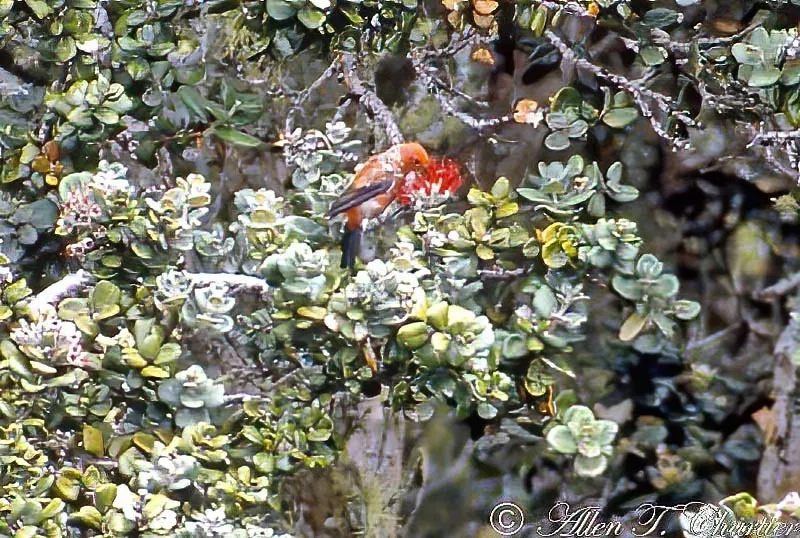
ʻApapane Himatione sanguinea -
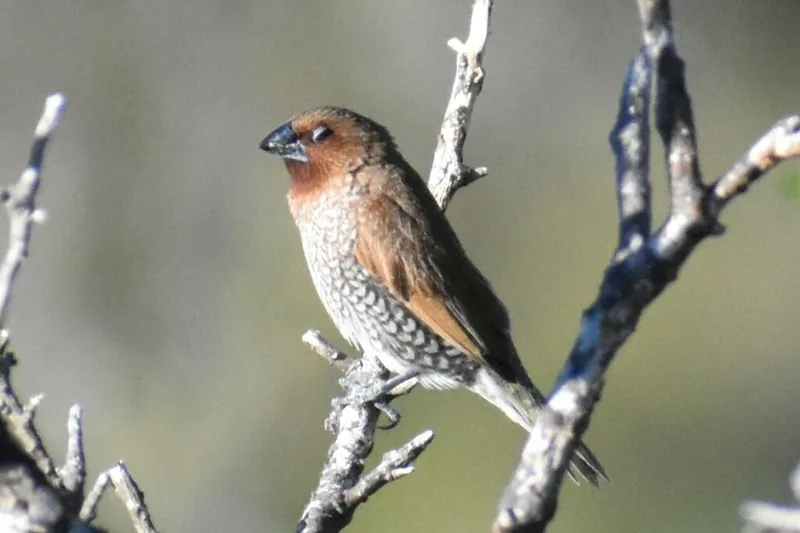
Scaly-breasted Munia Lonchura punctulata -
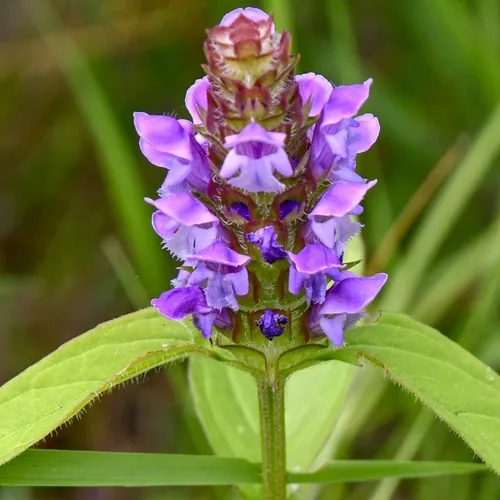
common selfheal Prunella vulgaris -
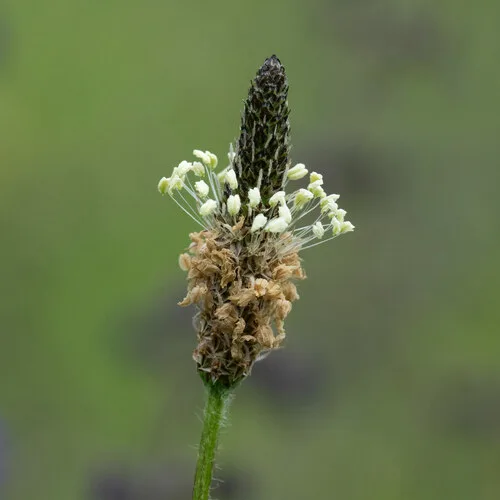
ribwort plantain Plantago lanceolata -
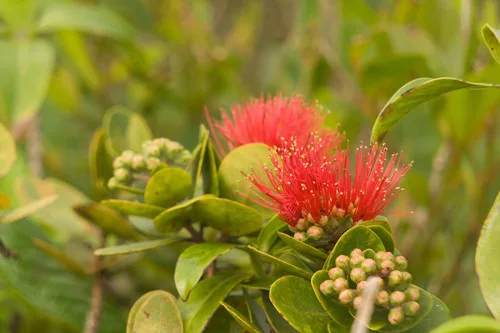
ʻŌhiʻa Lehua Metrosideros polymorpha -
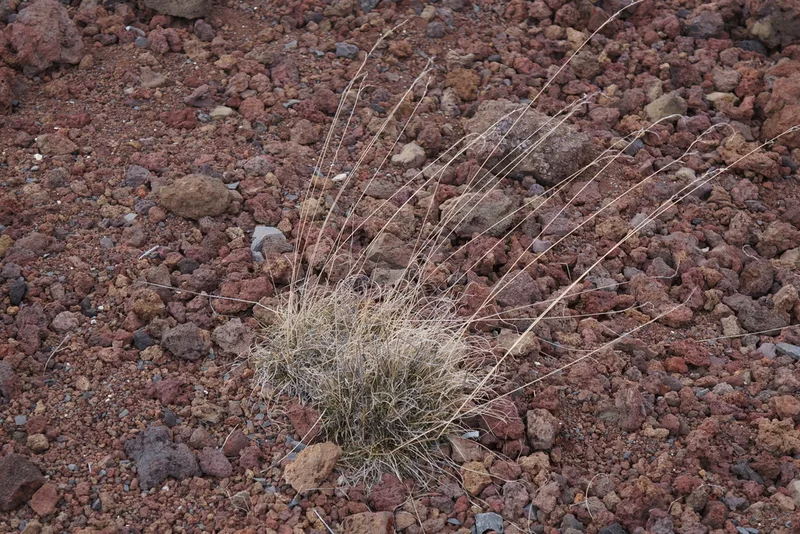
red fescue Festuca rubra
Field Notes · Volcanic lens · Haleakalā Visitor Center · 20.7151, −156.2498