Haleakalā
Haleakalā Visitor Center · Hawaii, USA
Above the clouds, the island becomes a dark edge beneath the oldest view.
Also seen through Volcanic · all at Haleakalā Visitor Center →.
Why here
Haleakalā is a mountain built for looking outward. The summit rises above much of the island’s weather, and the volcanic crater gives the night a dark, broken horizon. The observatory is part of the same story: high ground, clear air, and a landscape with little near the summit to interrupt the sky. At dusk, watch the crater walls lose their color. Then let the stars arrive over a landscape that was made by fire and shaped by weather. The volcano gives the sky an edge, and the edge gives the eye a place to begin.
The sites
The crater as horizon
Haleakalā Visitor Center
20.7151, −156.2498
The visitor center is a strong place to watch the summit turn from volcanic landscape into night landscape. The crater wall holds a low, dark line, while the sky above it gains stars gradually. Arrive before full dark and keep one ridge in view. The transition makes the scale of the crater and the depth of the sky easier to feel together.
Follow the crater rim as daylight fades. The first stars appear above a fixed volcanic line, giving your eyes a simple horizon for finding fainter light.
- AccessDrive-up
- ExertionEasy
- TimeAn hour
Haleakalā
20.7180, −156.2500
The summit itself places you inside the volcano’s dark outline. Cinder cones and crater walls become silhouettes, and the island falls away beyond them. Look outward rather than only upward. The night sky is largest when the volcanic landscape remains in the foreground, showing that darkness has a shape and a direction. High air and sparse summit ground leave the stars unusually close to the rim.
Choose one cinder cone as a foreground marker and watch the stars appear around it. The fixed cone makes the sky’s movement easier to notice.
- AccessDrive-up
- ExertionEasy
- TimeAn hour
High ground for astronomy
Haleakalā Observatory
20.7083, −156.2571
The observatory is a human response to the summit’s clear, elevated air. The telescopes look outward, but the ground beneath them remains a volcanic ridge above the clouds. Let the instruments point you toward the reason this place matters for astronomy, then return your attention to the natural sky around them. Human technology and high volcanic ground are working together here.
Look toward the cloud layer below the summit before looking up. The mountain’s elevation removes much of the nearby weather from the sky above you.
- AccessDrive-up
- ExertionEasy
- TimeAn hour
The island below
Hosmer's Grove
20.7714, −156.2406
Hosmer’s Grove gives the night a forested foreground below the exposed summit. Trees break the sky into smaller windows, but they also bring sound and life into the darkness. Walk a short distance from the open edge and listen for the change. Haleakalā is not one night landscape. It moves from crater, to cloud, to forest as elevation changes down the volcano.
Find a gap between the trees and compare it with the open summit sky. The forest narrows the view but makes the mountain’s vertical change part of the night.
- AccessShort walk
- ExertionEasy
- TimeHalf a day
Haleakalā National Park
20.7204, −156.1552
The park-wide summit point lets the volcano and sky share one frame. Below the rim, the island’s lights may appear as small interruptions; above it, the sky remains mostly open. Look from the crater to the horizon and then upward. The darkness is not an empty background. It is a condition created by height, distance, and the shape of the volcanic mountain.
Scan the horizon for the smallest lights, then turn back toward the dark crater. The contrast shows how much the summit separates you from the settled island below.
- AccessDrive-up
- ExertionEasy
- TimeAn hour
When it's best
The darkest nights are near a new moon, while the summit is easiest to reach in the drier part of the year. Wind and cold can arrive even under clear skies, and clouds can rise through the crater quickly. Sunset gives the best transition from volcanic form to night horizon. Stay warm and give your eyes time to adjust.
Go deeper
The names behind what you saw. The summit sits on Cenozoic volcanic rocks and Kula Volcanics. Haleakalā Observatory is part of the human astronomy record; ʻApapane, Himatione sanguinea, belongs to the island ecology.
To read next. - Haleakalā’s geology material — for the shield volcano and summit crater. - The observatory material — for astronomy from the high summit.
The names behind what you saw
What lives here, and what it's called. Photographs from open collections — an aid to identification, not decoration.
-
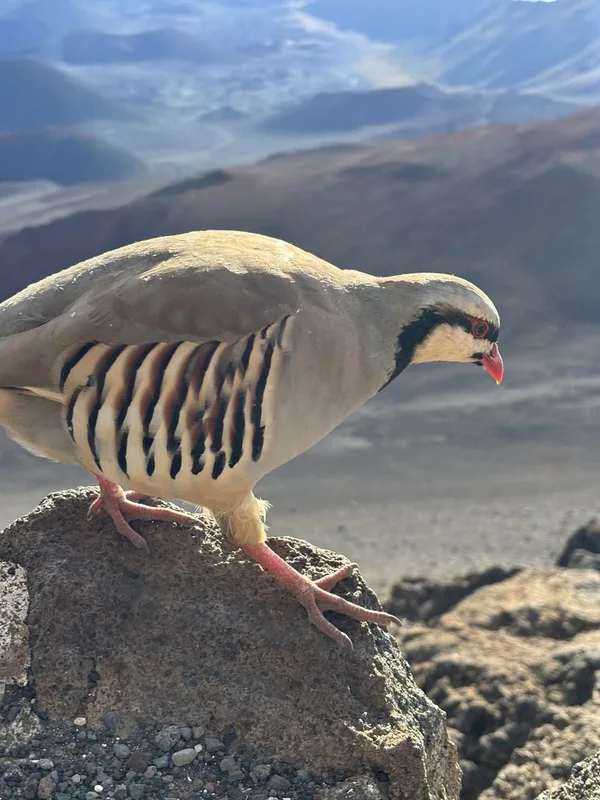
Chukar Alectoris chukar -
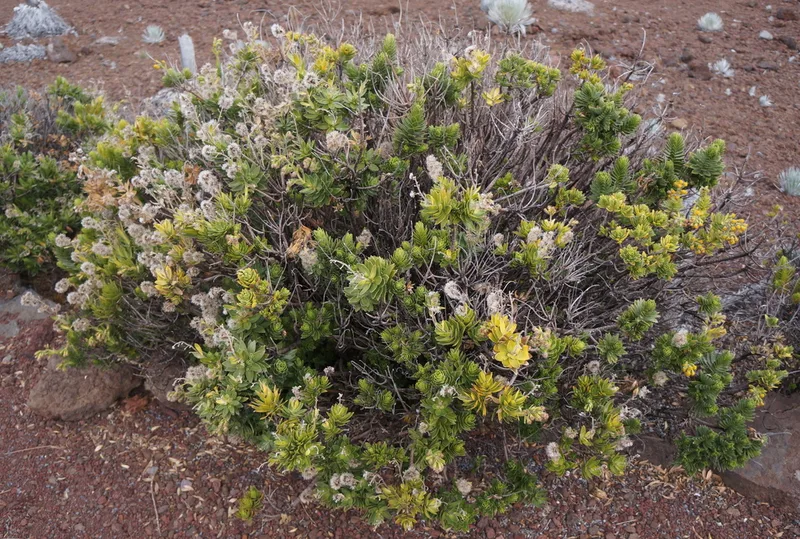
Kūpaoa Dubautia menziesii -
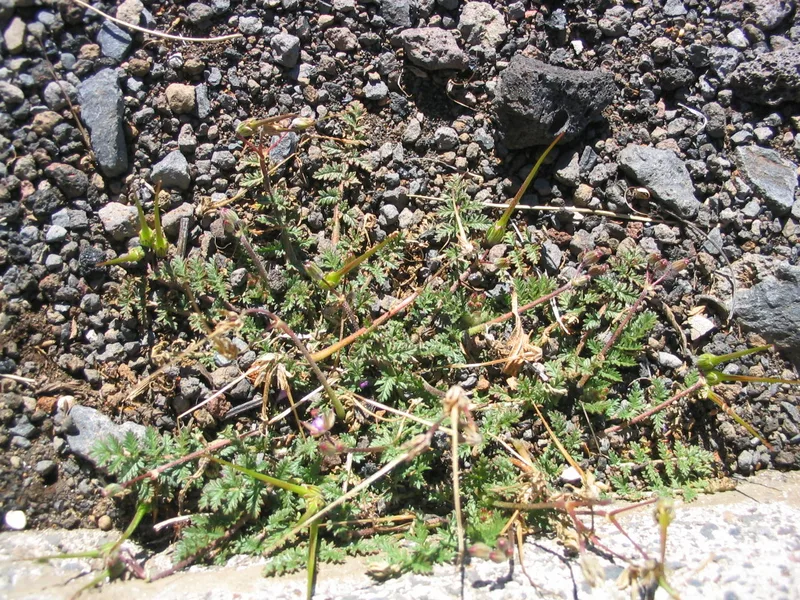
Redstem Stork's-bill Erodium cicutarium -
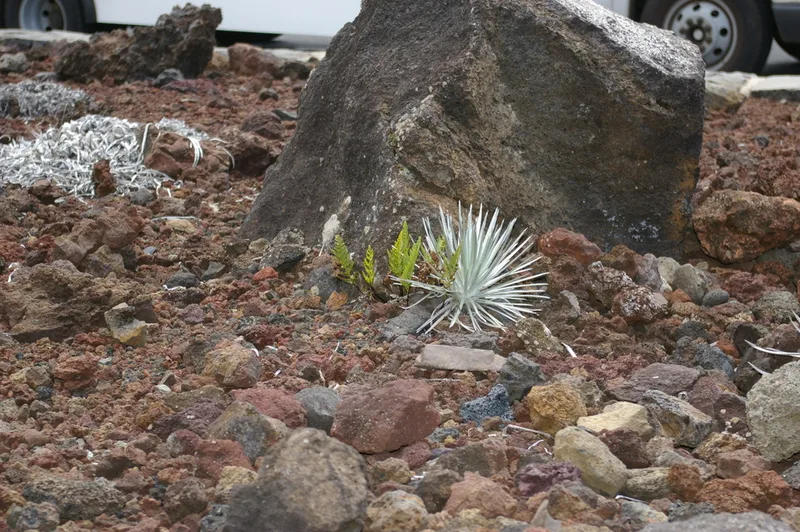
black spleenwort Asplenium adiantum-nigrum -
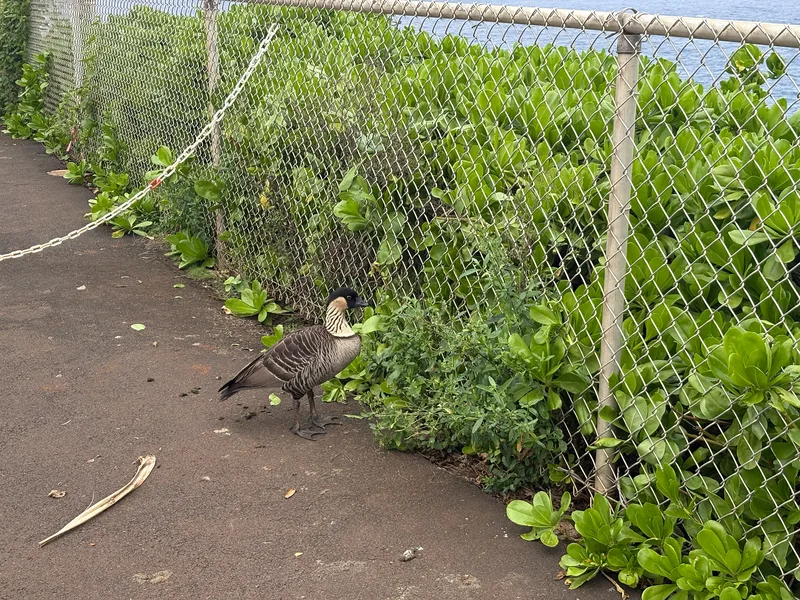
Hawaiian Goose Branta sandvicensis -
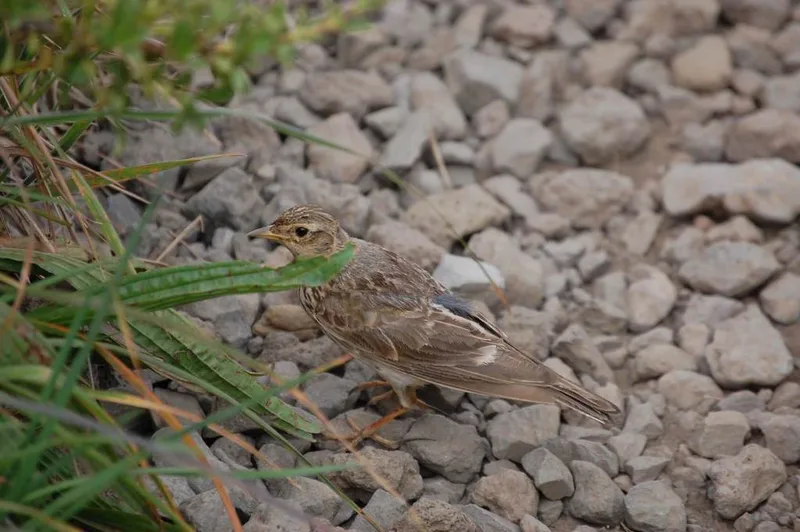
Eurasian Skylark Alauda arvensis -
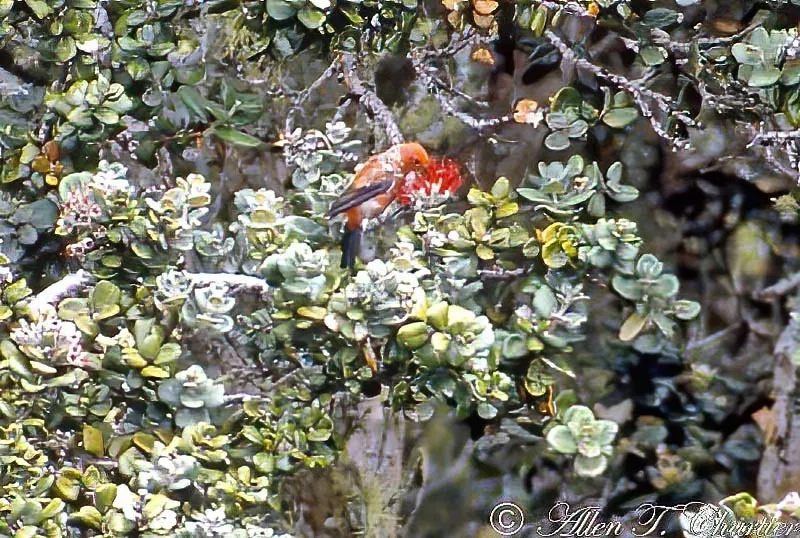
ʻApapane Himatione sanguinea -
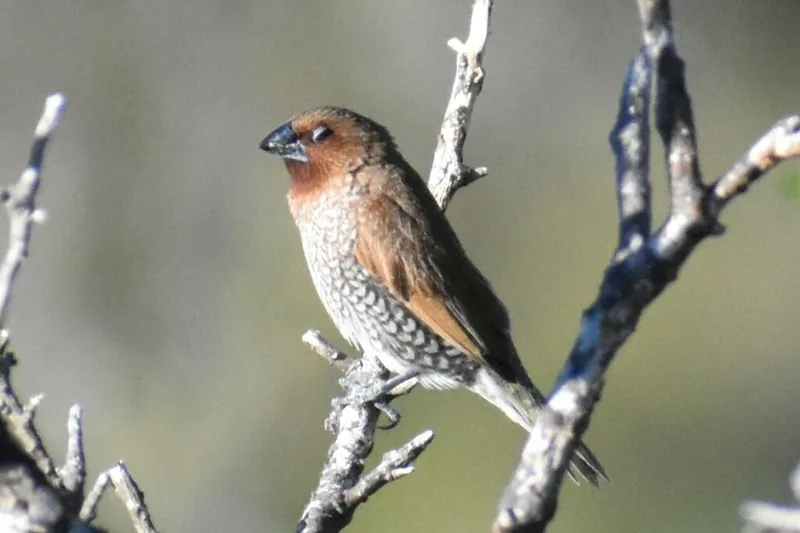
Scaly-breasted Munia Lonchura punctulata -
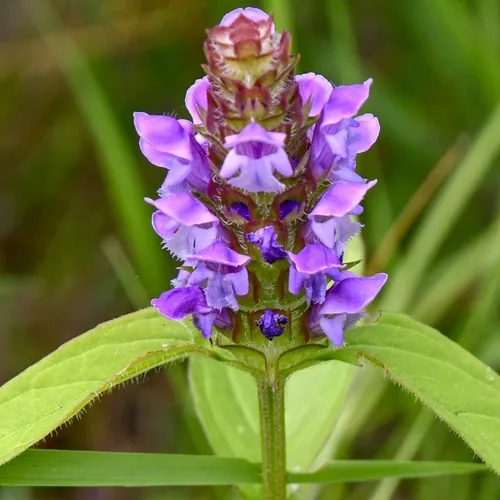
common selfheal Prunella vulgaris -
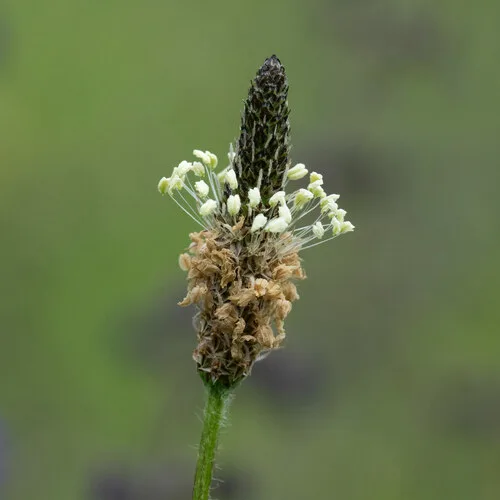
ribwort plantain Plantago lanceolata -
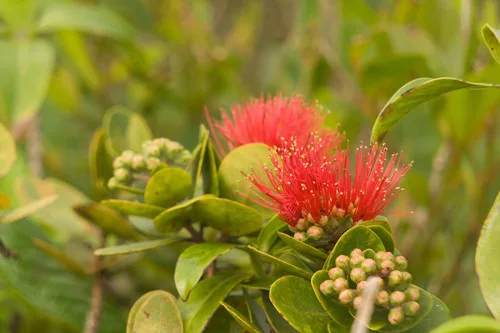
ʻŌhiʻa Lehua Metrosideros polymorpha -
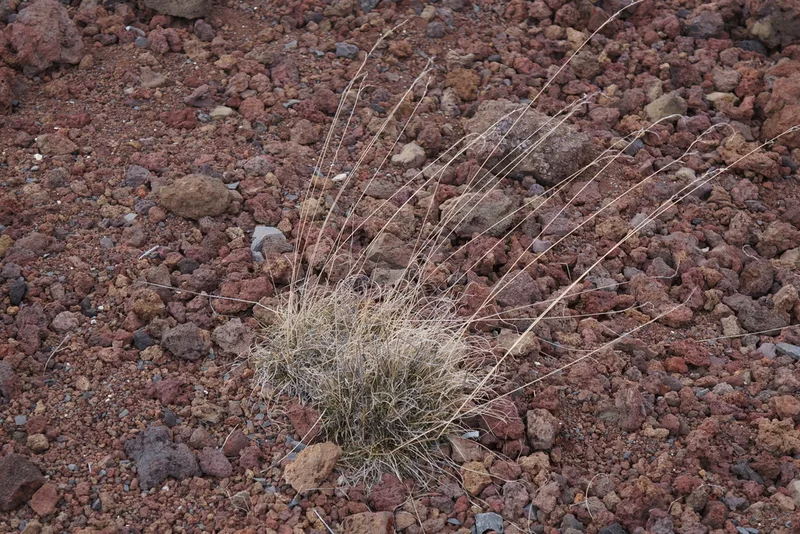
red fescue Festuca rubra
Field Notes · Night Sky lens · Haleakalā Visitor Center · 20.7151, −156.2498