Great Basin
Great Basin National Park · Nevada, USA
The oldest thing you can see with your own eyes is not the rock, or the trees. It is the light coming down from the stars.
Also seen through Desert & Deep Time · all at Great Basin National Park →.
Why here
After the last light drains off the peaks, wait twenty minutes and watch the sky fill back in. In most of the country it never quite does — the glow of towns keeps a lid on it. Here it does. This is the largest stretch of land in North America whose rivers never reach the sea; the water sinks into the ground or dries into the air, and what it leaves behind is a high, dry, thinly settled country whose nearest real town is a small one you passed on the way in. Dry air holds few clouds and little haze. High ground lifts you above what dust there is. And with almost no one living out here to burn a light, the dark that returns each night is close to the one people watched for most of human history. That is the whole trip. Everywhere you stand — a roadside pullout, a mountain meadow, a grove of trees older than any city — the sky is doing something it has nearly forgotten how to do anywhere else.
The story
Start with the shape of the land, because the shape is why it’s dark. This whole region is being slowly pulled apart. The crust stretches and cracks into long blocks; some rise into narrow mountain ranges, some drop into the valleys between, and the result is a washboard of high ranges and low basins repeating to the horizon. Rain that falls here has nowhere to go — no river carries it to the sea. It sinks or evaporates, leaving a dry, thin-aired country where few people have ever settled. Dry air and empty land are the two ingredients of a dark sky, and this place has both in full measure.
The high peaks are cored with a pale granite that rose as molten rock deep underground and was later uncovered by weather and time. Near their tops, where cold and wind defeat most trees, the bristlecone pines took hold and simply stayed — growing slowly, dying slowly, standing for thousands of years.
People passed through lightly. The Western Shoshone and their neighbors knew this dry country intimately, reading its scarce water and its stars. Later, a few miners chased tungsten high onto the peaks and left their cabins to the weather. Each generation looked up at nearly the same sky, unchanged while everything under it came and went. The sky outlasted all of them, and it is still the reason to come.
The sites
Where the sky comes back
Mather Overlook
39.0203, −114.2748
A pullout partway up the range’s one paved road, where the mountain drops away to the east and the whole basin spreads below. In daylight it is a place to read the country — ridge after ridge marching to the horizon, each a separate range with a dry valley between. After dark it becomes something else. Face east and there is almost nothing out there to throw light back at you: no city glow on the far ridgelines, just the deepening blue-black and then the stars coming down nearly to the ground. Because you have driven partway up the mountain, you sit above the thin dust and warmth the valley floor holds, and the air overhead is about as clear as it gets here. You can stand at your car and watch the Milky Way rise, no hiking required. Bring a warm layer even in the warm months; the high desert cools fast once the rock stops giving back the day’s heat, and a still night up here has a bite to it long after sunset.
Face east after full dark and find the point where the last ridgeline meets the sky. Watch how few lights break that line — almost none, because so little of the country out there is settled. Let your eyes adjust for a full twenty minutes without looking at a phone, and notice how far down toward that ridge the faint stars begin to reach.
- AccessDrive-up
- ExertionEasy
- TimeAn hour
Wheeler Peak Overlook
39.0266, −114.2865
Farther up the road, this overlook turns you to face the range’s high summit — a broad gray peak that holds snow in its shaded hollows well into summer. High on its flanks, near the point where trees give out, grow some of the oldest living things on Earth: bristlecone pines, squat and half-dead, that have stood through thousands of years of these same nights. You cannot pick them out from here, but knowing they are up there changes what the view means. This is the whole idea of the note in one glance — some of the oldest living things on the planet, under some of the oldest light you can see, in one of the darkest places left to see it. By day the peak reads as bare rock and wind. By night it becomes a black mass with the star field wheeling above it, and the same wind that keeps those ancient trees stunted is the wind you will feel here. Come near dusk to watch the summit shift from gray to gold to black as the sky lights up behind it.
At dusk, keep your eyes on the high summit while the sky darkens behind it. As the first stars appear over the peak, consider that their light left them long before the ancient trees on that mountainside took root. Try to catch the exact moment the mountain stops being a thing you can see and becomes a shape you can only feel against the stars.
- AccessDrive-up
- ExertionEasy
- TimeAn hour
Meadow Views
39.0176, −114.2830
A low, open viewpoint where the forest pulls back and a mountain meadow gives you something rare up here: a wide, flat foreground and a clean line most of the way around the horizon. Trees are the enemy of a big sky, and much of this range is either timbered slope or bare peak; a meadow like this, ringed but open, is where you can lie back and take in the whole dome at once. In the warm months the grass hums with insects after dark, and you may hear the churring, buzzing call of a nighthawk hunting overhead or the low five-note hoot of a great horned owl from the forest edge. Deer drift out to feed in the open at dusk and freeze the moment they hear you. It is a gentler, more intimate dark than the high overlooks — sky above, meadow around, the forest holding its breath at the edges. A good place to stay put for an hour and let the night come to you rather than chasing a view from turnout to turnout.
Lie back in the open meadow after dark and take in the whole sky at once instead of one patch of it. Listen for a nighthawk — a nasal, buzzing note from somewhere overhead as it hunts insects on the wing. Then count how many more stars you can hold at the edge of your vision than when you look straight at them; the faintest light lands best just off-center.
- AccessDrive-up
- ExertionEasy
- TimeAn hour
The oldest thing looking up
Bristlecone-Alpine Lakes Trailhead
39.0100, −114.3070
This trailhead is the gateway to the range’s grove of ancient pines, a walk up into the high country where the most ancient trees live. Bristlecone pines do not look like champions. They grow low and twisted, more bare silver wood than green needle, wringing a slow living out of thin rocky soil where almost nothing else will grow. That hardship is the secret: by growing slowly in a hard place, they outlast every softer tree, standing for thousands of years in the same spot. For a night-sky note they are the heart of the matter — these trees have kept watch under this sky through more nights than recorded history is long, and the sky above them has barely changed in all that time. Reaching the grove itself is a daytime hike, but plan your walk so you are among the trees as the light goes. Few things put the true scale of a dark sky into your body like standing beside a living thing that has watched it turn for that many centuries. Carry water, a warm layer, and a headlamp for the walk down.
Among the ancient pines, find one that is more bare, weathered wood than living needle, with a single thin strip of bark still feeding a few green branches. That strip is the tree’s whole life-support, kept deliberately narrow so it can survive drought and cold that would kill a fuller tree. Rest a hand on the dead wood and consider how many of these same nights it has already stood through.
- AccessHalf-day hike
- ExertionModerate
- TimeHalf a day
Mount Washington
38.9149, −114.3092
A remote high peak at the southern end of the range, far from the paved scenic road and reached only by rough country and effort. This is a place for someone who wants the dark with no one else in it. The high, exposed ground here holds the same kind of ancient, wind-scoured pine that grows near the treeline all along this range, and the remoteness that makes it hard to reach is exactly what makes the sky above it so complete: no road glow, no other headlamps, nothing between you and the horizon but miles of empty basin. Getting here and back is a full commitment on rough ground, and you should be entirely self-sufficient — this is backcountry, cold at night even in summer, with no services and no quick way out. The reward is a sky with nothing subtracted from it: the faint band of the Milky Way showing not as a smudge but as structure, with dark rifts you can trace across it. For most visitors the roadside overlooks give plenty. For the few who want the oldest view stripped of every distraction, this is where it is.
On a moonless night here, find the pale band of the Milky Way arching overhead and let your eye follow its length. In a sky this dark it stops being a haze and shows dark lanes cutting through it — clouds of dust between us and the stars behind. Pick one dark lane and trace it as far across the sky as you can before it fades into the surrounding glow.
- AccessExpedition
- ExertionStrenuous
- TimeWorth two days
Far from any light
Strawberry Creek Trailhead
39.0551, −114.3029
On the quieter north side of the range, this trailhead sits along a creek where the forest opens just enough to see out. It draws fewer people than the main scenic road, which is the point: a place to park, walk a short way from the car, and have the dark mostly to yourself. Water runs here even in a dry country, and where there is water there is life gathering at the edge of the night — deer coming down to drink at dusk, turkeys going up to roost in the pines with a heavy clatter of wings, the small sounds of a woodland settling into dark. The creek itself is a reminder of how this whole basin works: the water that falls here never leaves for the sea; it sinks, feeds the green line along the stream, and is gone. Come for an evening rather than a summit. Let the light go, listen to the creek, and watch the strip of sky above the canyon fill with stars while the forest goes quiet around you.
At dusk, stand where you can see both the creek and the strip of open sky above it. Watch the edge between water and trees for movement as deer come down to drink, and listen for the heavy wingbeats of turkeys flying up to roost as the light fails. Notice how the first stars appear in that open slot of sky above the water before the forest around you has fully darkened.
- AccessDrive-up
- ExertionEasy
- TimeHalf a day
Johnson Lake Outlook
38.9458, −114.3010
High in the backcountry, this outlook looks over a small lake and the scattered remains of an old tungsten mine — a cluster of weathered cabins and rusting machinery left on the mountain above ten thousand feet. People worked up here, in the cold and thin air, hauling ore off a mountainside far from any town. Reaching the spot is a real climb, and the reward is double: a piece of hard human history, and one of the most remote dark skies in the park. Think about what the nights were like for the people who lived here — no electric light anywhere near, the same overwhelming sky you are standing under, and long cold hours of it. The Indigenous peoples who knew this country long before the miners read those same stars across a land with very little standing water and even less to burn. Stay into the evening if you are equipped for it; the walk down under stars is part of the experience, though it demands a good light and sure footing.
Stand among the old mine cabins as the light goes and picture the sky these workers saw on every clear night — the same one now filling in overhead, with no town glow anywhere on the horizon to dim it. Find the brightest star low over the ridgeline and hold it; it is the kind of marker people here have used to tell time and direction for as long as anyone has stood on this mountain.
- AccessHalf-day hike
- ExertionStrenuous
- TimeA full day
When it's best
The sky is darkest on the nights around a new moon, when there is no moon in the sky to wash it out — worth timing a visit to. Summer brings warm, short nights with the pale band of the Milky Way riding high overhead, and the easiest driving up to the high overlooks. Winter nights are the longest and sharpest, but the cold is real and snow closes the high road, so the upper country is a summer and early-fall proposition. Any clear, moonless night rewards you; the trick is less the season than the moon.
Go deeper
The names behind what you saw. The ancient trees at the treeline are Great Basin bristlecone pine, Pinus longaeva, with limber pine, Pinus flexilis, often standing beside them; lower down, the woodland is singleleaf pinyon, Pinus monophylla. The pale rock coring the range is a granite that pushed up as molten rock deep underground roughly 160 million years ago — geologists know it as the Snake Creek–Williams Canyon pluton.
To read next. - Bill Fiero, Geology of the Great Basin — the plain-language guide to why this country is a washboard of narrow ranges and long dry valleys, the very shape that gives you the dark. - The Broken Land: Adventures in Great Basin Geology — a readable field narrative of how the region is being pulled apart, good company for anyone who wants the story behind the scenery. - George I. Smith, Quaternary Geology of the Great Basin — the account of the ice-age lakes that once filled these valleys and have since dried to dust, part of why the air overhead is so clear.
The names behind what you saw
What lives here, and what it's called. Photographs from open collections — an aid to identification, not decoration.
-
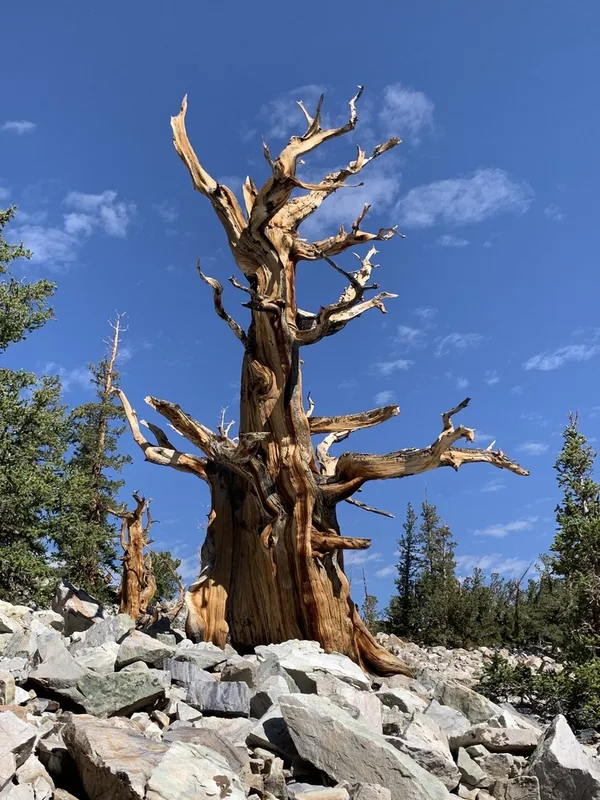
Great Basin bristlecone pine Pinus longaeva -
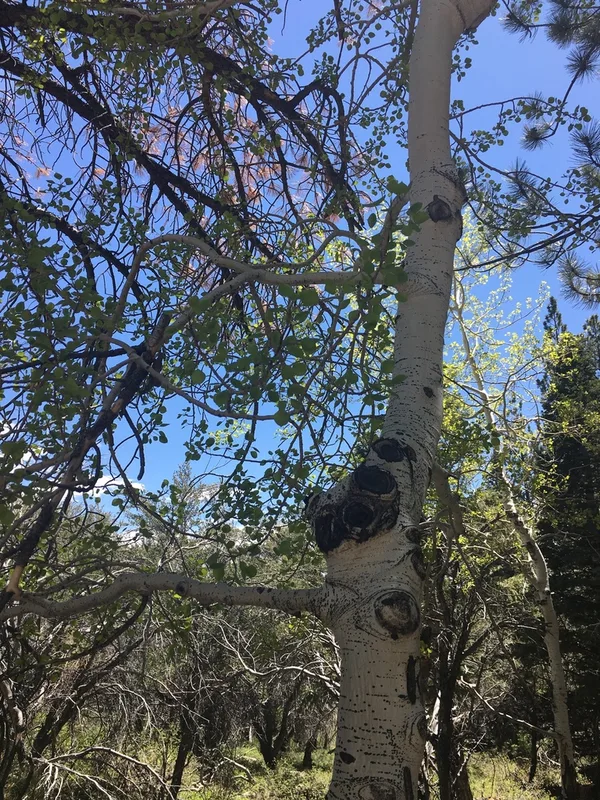
quaking aspen Populus tremuloides -
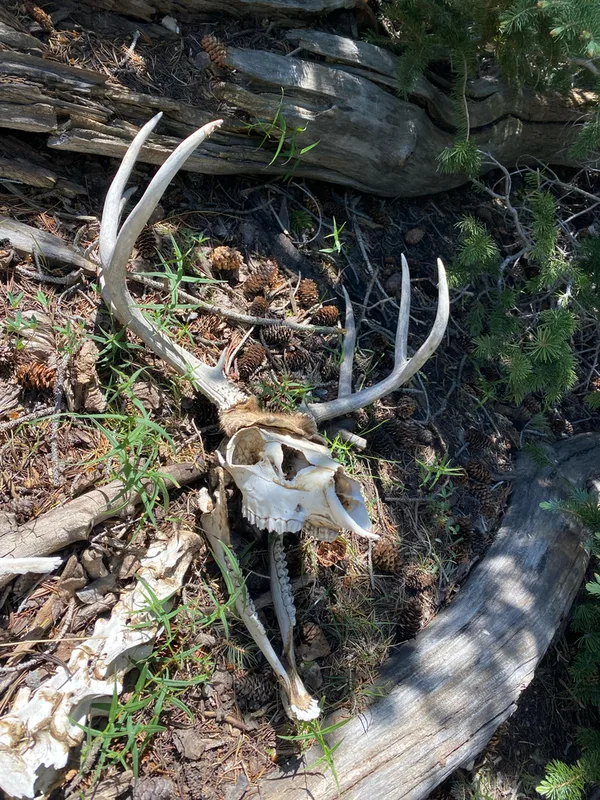
Mule Deer Odocoileus hemionus -
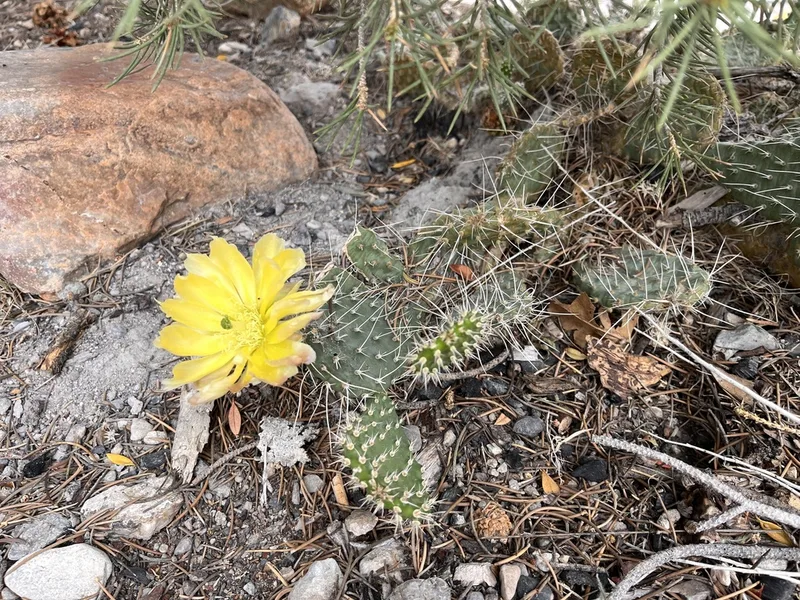
Plains Pricklypear Opuntia polyacantha -
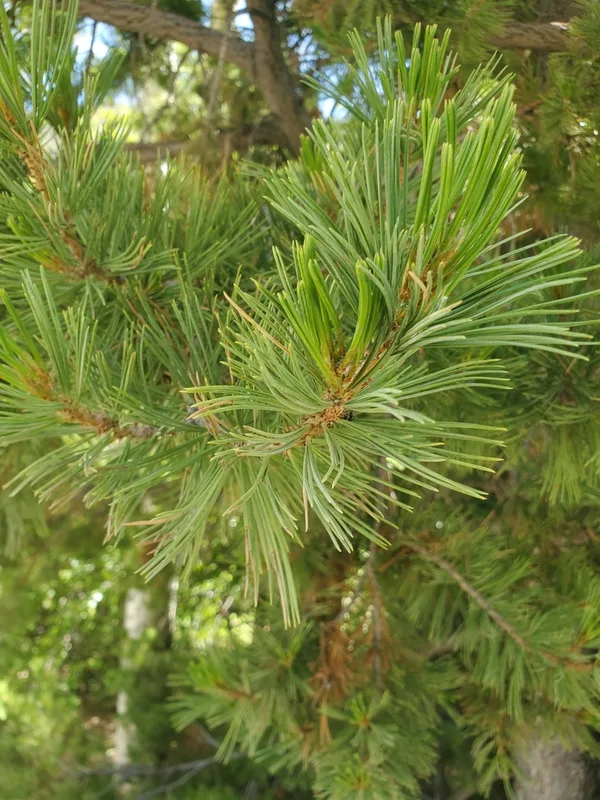
limber pine Pinus flexilis -
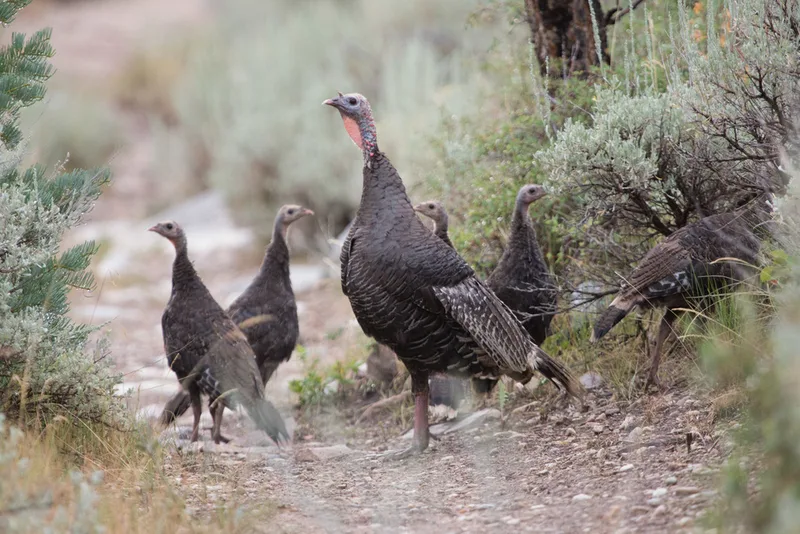
Wild Turkey Meleagris gallopavo -
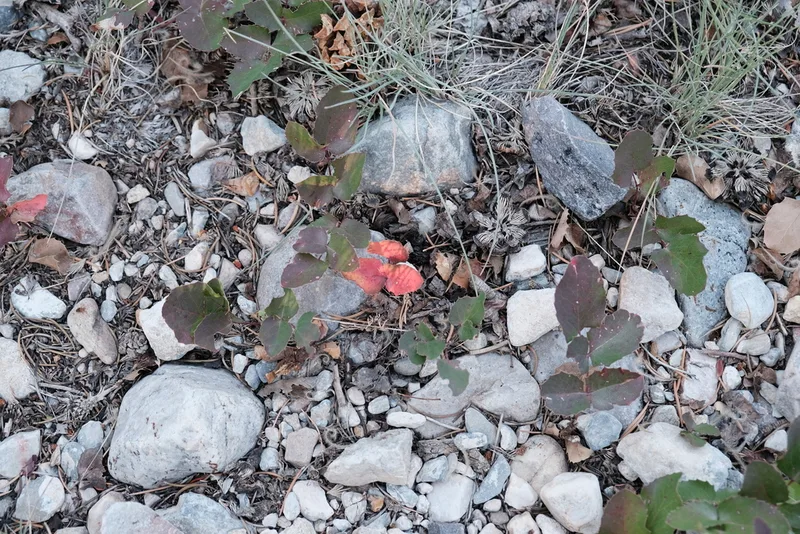
creeping mahonia Berberis repens -
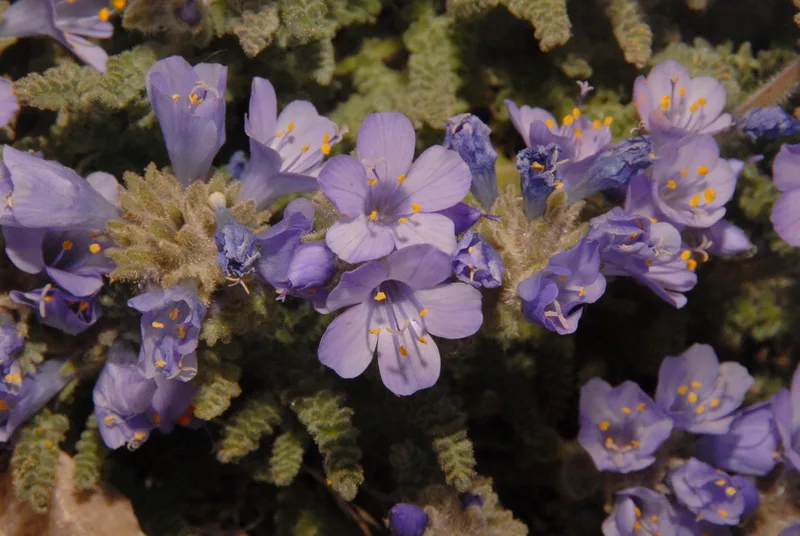
sky pilot Polemonium viscosum -
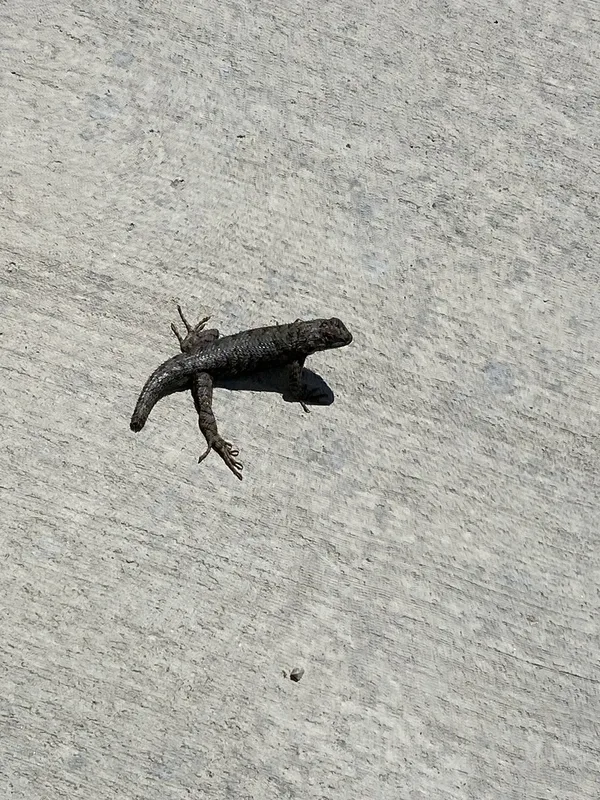
Western Fence Lizard Sceloporus occidentalis -
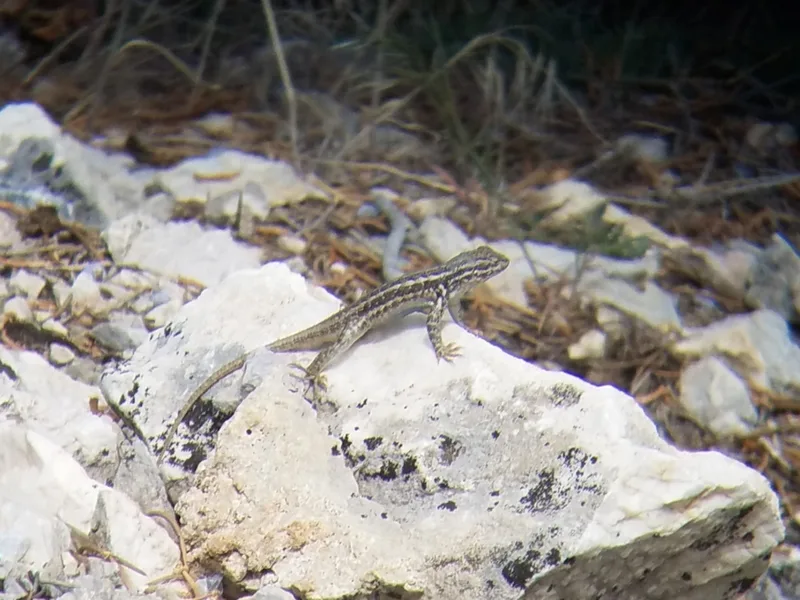
Common Sagebrush Lizard Sceloporus graciosus -
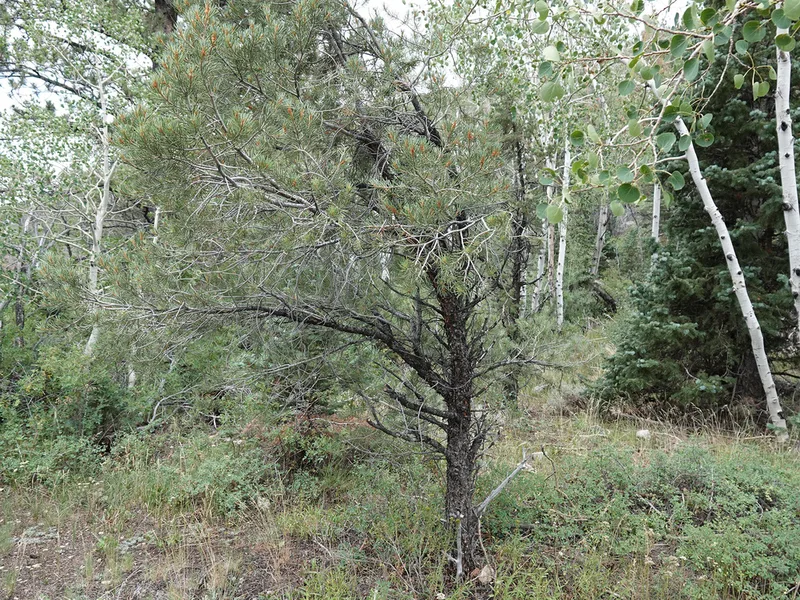
singleleaf pinyon Pinus monophylla -
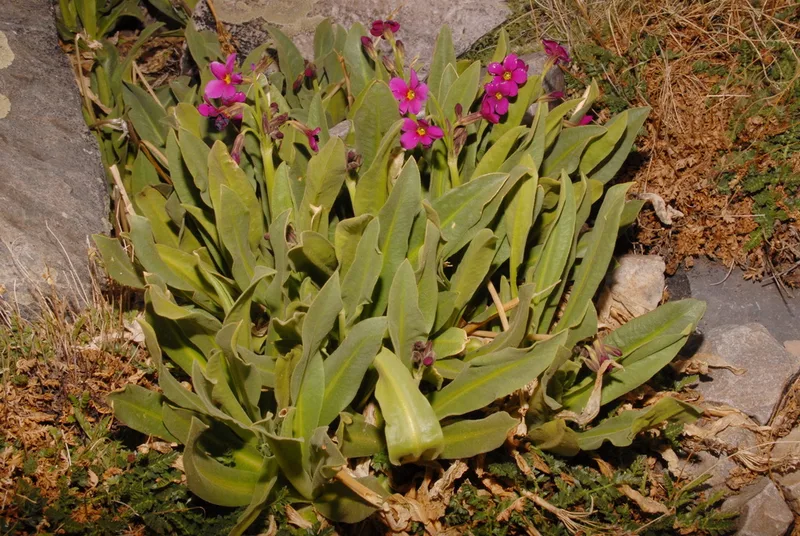
Parry's primrose Primula parryi
Field Notes · Night Sky lens · Great Basin National Park · 38.9442, −114.2349