Crater Lake
Crater Lake National Park · Oregon, USA
The lake gives the sky a second darkness to rise from.
Also seen through Volcanic · all at Crater Lake National Park →.
Why here
At Crater Lake, the night sky has a rim. The water gathers the last light, the volcanic wall makes a clean horizon, and the dark above seems to continue inside the basin. This is a place where geology improves astronomy without trying to. The lake occupies a collapsed volcanic center; the surviving rim lifts the viewer above the surrounding country and keeps the nearest horizon mostly simple. After sunset, the same outline that made the lake legible by day becomes a frame for stars. Stand at a point, let your eyes adjust, and watch the sky separate from the black land below it. The oldest view becomes easier to see when the mountain gives it an edge.
The sites
The rim as a horizon
The Watchman
42.9430, −122.1724
The Watchman makes a natural night-sky platform because the lake and rim separate the sky from nearby clutter. At dusk, watch the water lose its color while the rim remains a dark, exact line. Once your eyes adjust, the stars do not simply appear overhead; they emerge in relationship to that line. The basin gives you a fixed horizon and the open sky gives you depth beyond it. Bring a warm layer and a red light for moving safely, then stay still long enough for the first faint stars to become visible.
Let your eyes adjust and follow the rim until it meets the sky. The clean boundary helps you notice faint stars near the horizon that would disappear against a more complicated landscape.
- AccessShort walk
- ExertionModerate
- TimeHalf a day
Arant Point
42.8554, −122.1678
Arant Point puts the dark lake below the star field. The water absorbs the last glow and the far rim keeps the horizon readable, so the sky has a lower boundary as well as an upper one. Look for the difference between stars reflected in the lake and stars seen directly. The reflection is a second, softer sky, disturbed by wind and never quite the same as the original. That small difference brings the landscape back into astronomy. You are not looking up from an empty platform. You are looking from a volcanic basin with water at its center.
Watch the lake after full dark and compare its reflection with the sky above. Wind breaks the reflected stars first, showing that the water is an active surface beneath a steady sky.
- AccessShort walk
- ExertionEasy
- TimeAn hour
Darkness among the peaks
Oasis Butte
43.0201, −122.2420
Oasis Butte carries the night away from the lake’s immediate edge and into the surrounding volcanic country. The dark land is not featureless. Peaks and slopes make a series of silhouettes, and the sky’s clarity can be read in how far those silhouettes continue before they disappear. A high, open point is especially useful for this kind of attention. Begin at twilight, when the volcanic forms are still visible, and stay through the transition to stars. The sequence makes the scale of the country easier to feel than a sudden arrival in full darkness.
At twilight, pick one distant peak and keep it in view as the stars arrive. Notice how the sky gains detail while the mountain becomes only a black outline.
- AccessShort walk
- ExertionEasy
- TimeAn hour
Varmint Creek South Trailhead
42.7977, −122.3023
A creek-side trailhead offers a different night sky: less horizon, more sound. Trees narrow the view, but the dark forest carries water through the same volcanic country that holds the lake. Listen first, then look through openings in the canopy. The stars arrive in fragments between branches, while the creek gives the ground a steady presence. This is a useful stop for noticing that darkness is not only a wide panorama. It is also the condition that lets familiar sounds, silhouettes, and small patches of sky become distinct.
Find an opening above the creek and watch the first stars appear there. Listen to the water at the same time; the divided sky and continuous sound make the forest’s depth easier to sense.
- AccessShort walk
- ExertionModerate
- TimeHalf a day
The oldest light
Applegate Peak
42.8999, −122.1053
Applegate Peak is a place to set the sky against a high volcanic form. Before full dark, the peak carries texture and distance; later it becomes a clean silhouette, a reminder that mountains and stars operate on different clocks. The rock belongs to the volcanic country around the lake, while the light overhead has traveled from much farther away. You do not need a telescope to see the contrast. Let the peak stay in the foreground and use it as a measuring stick for the sky’s changing depth.
Keep the peak in the lower part of your vision while looking slightly to one side. Faint stars are easier to detect away from direct gaze, and the peak gives your eye a steady reference.
- AccessHalf-day hike
- ExertionStrenuous
- TimeA full day
When it's best
Clear, moonless nights offer the darkest view, while the warmer season is the practical window for reaching the high rim. Summer brings shorter nights but easier access; early fall adds longer darkness and cooler air. Snow and cloud can close the high country outside that window. The lake remains part of the night even when stars are hidden, because the rim and water still give darkness a visible shape.
Go deeper
The names behind what you saw. The basin is associated with the Mazama volcano and post-collapse caldera deposits. Mountain hemlock, Tsuga mertensiana, and Clark’s nutcracker, Nucifraga columbiana, belong to the high rim.
To read next. - The geological map of Crater Lake — for the volcanic rim that frames the sky. - The park’s night-sky guidance — for understanding darkness, moonlight, and high-country conditions.
The names behind what you saw
What lives here, and what it's called. Photographs from open collections — an aid to identification, not decoration.
-
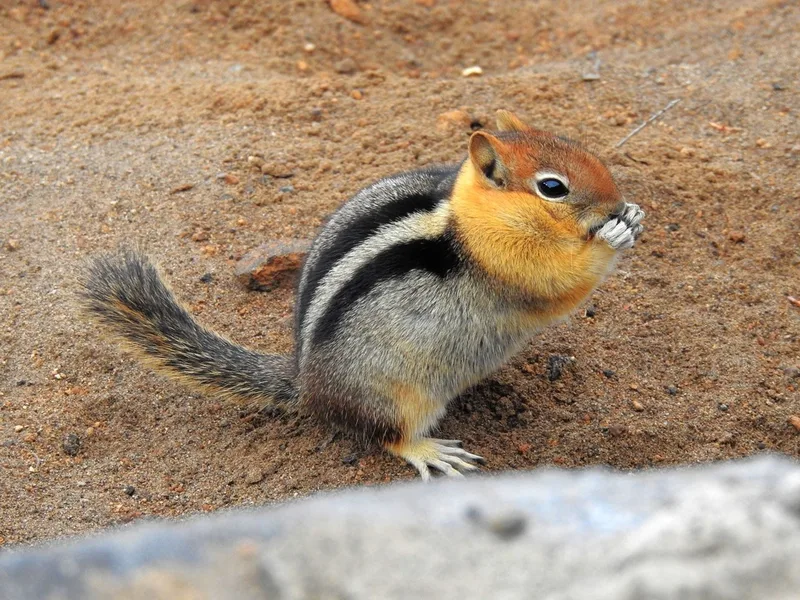
Common Golden-mantled Ground Squirrel Callospermophilus lateralis -
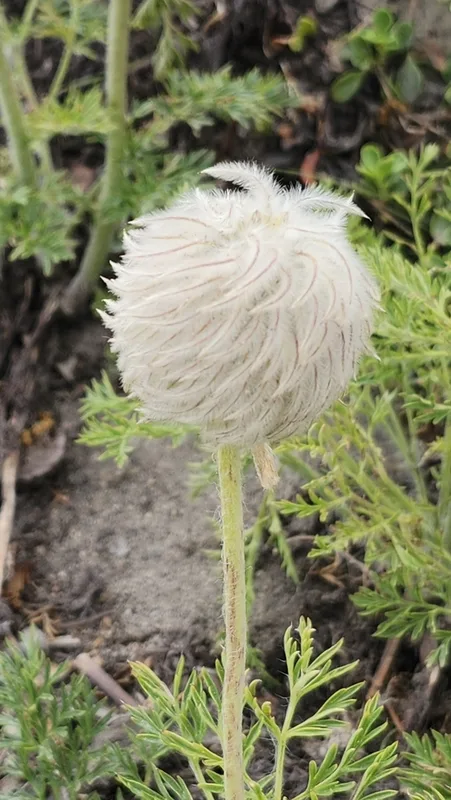
white pasqueflower Pulsatilla occidentalis -
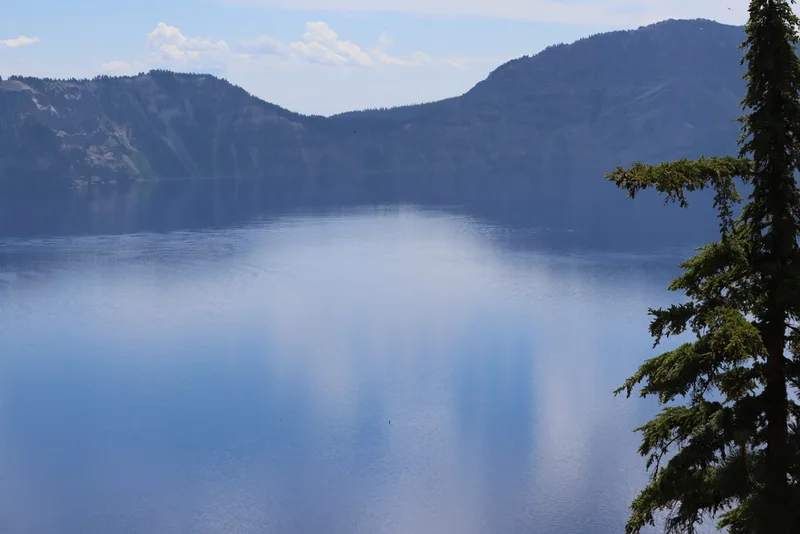
mountain hemlock Tsuga mertensiana -
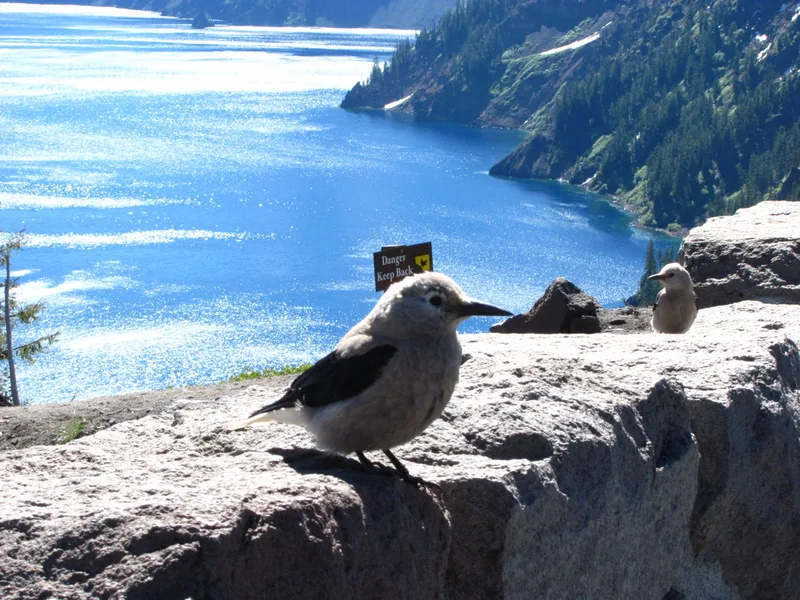
Clark's Nutcracker Nucifraga columbiana -
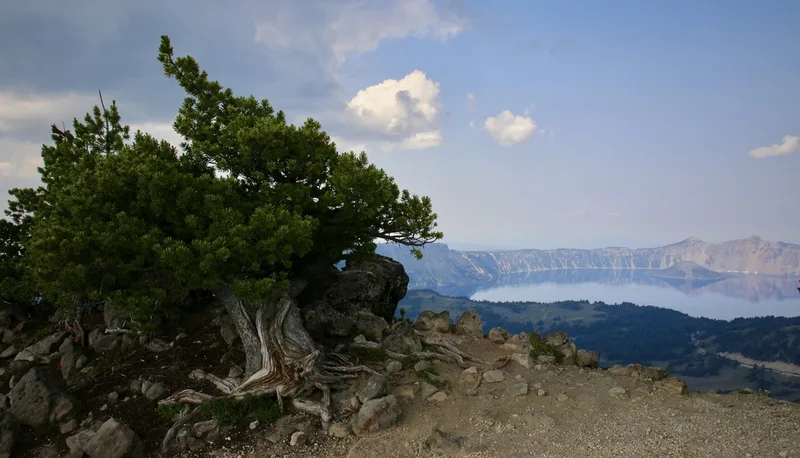
Whitebark Pine Pinus albicaulis -
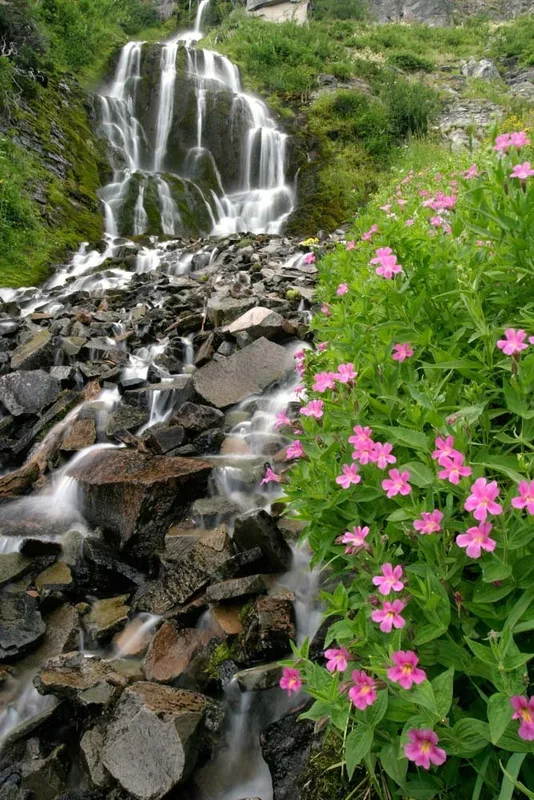
Lewis' monkeyflower Erythranthe lewisii -
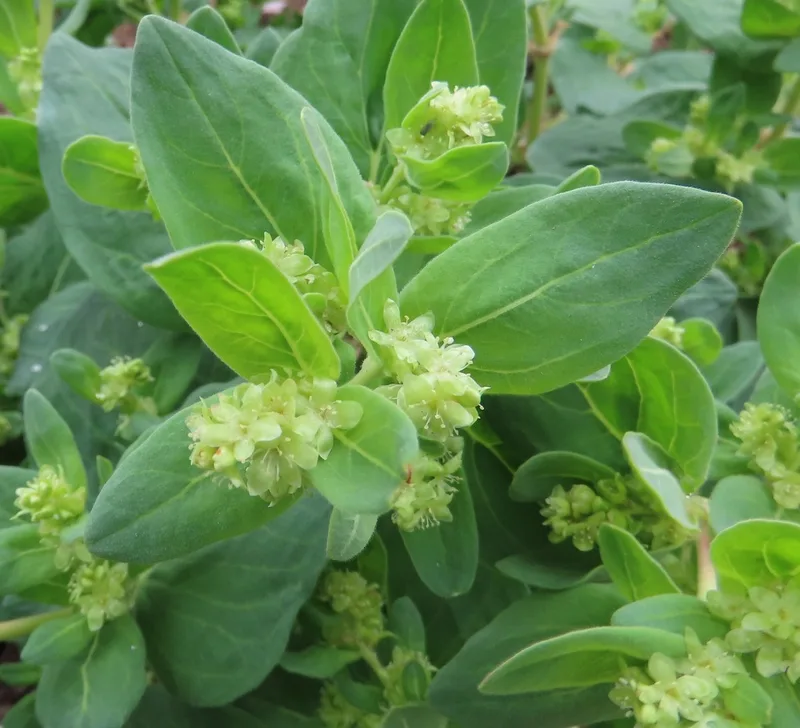
Davis' knotweed Koenigia davisiae -
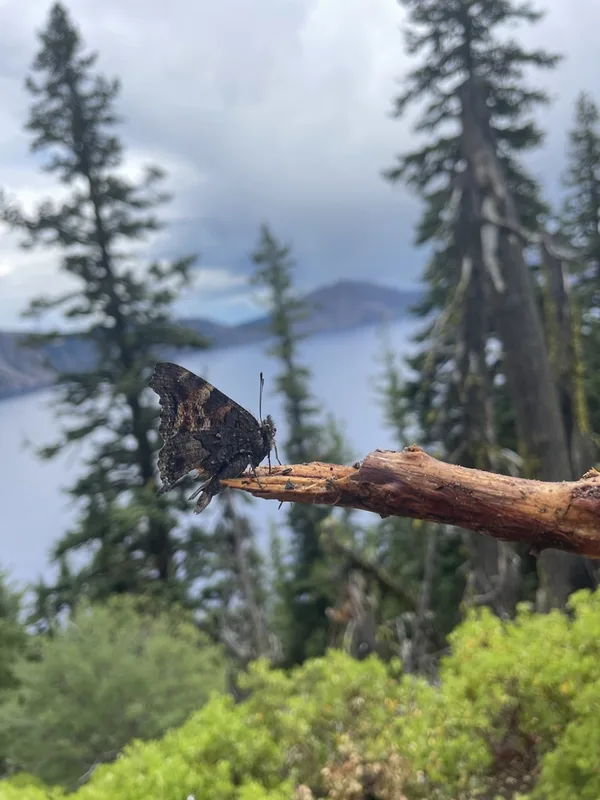
California Tortoiseshell Nymphalis californica -
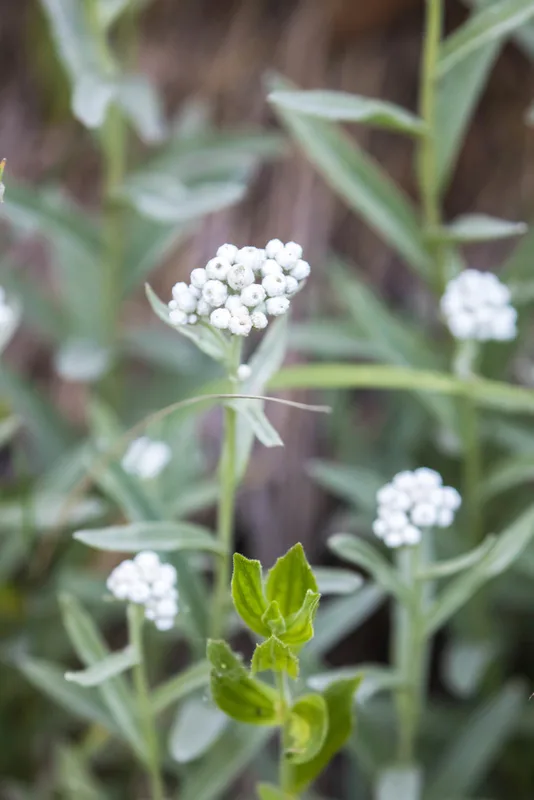
pearly everlasting Anaphalis margaritacea -
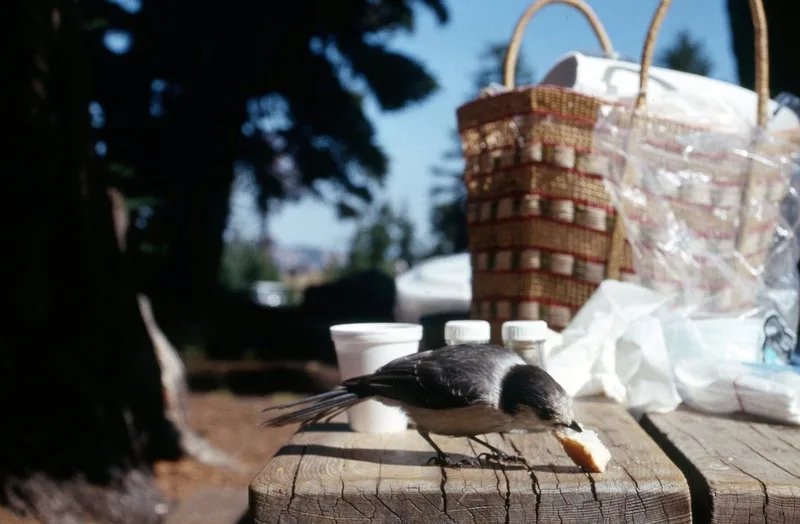
Canada Jay Perisoreus canadensis -
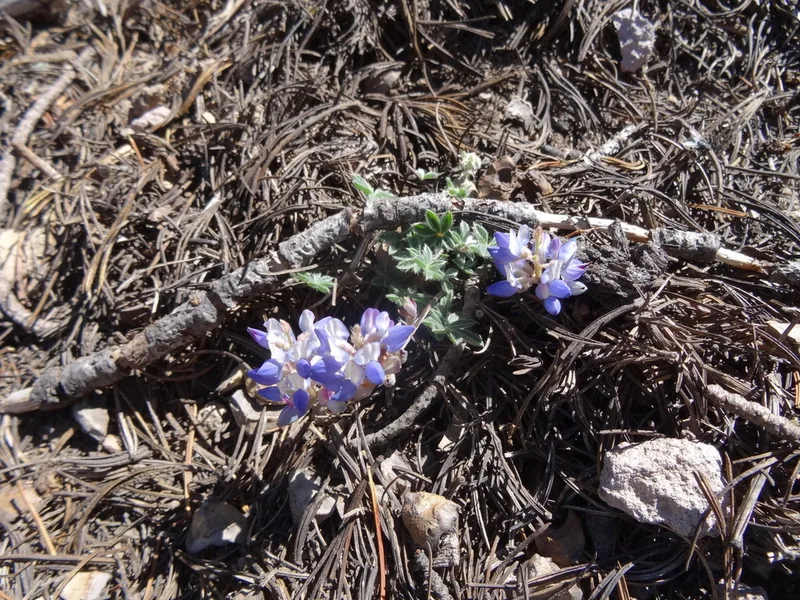
Dwarf Lupine Lupinus lepidus -
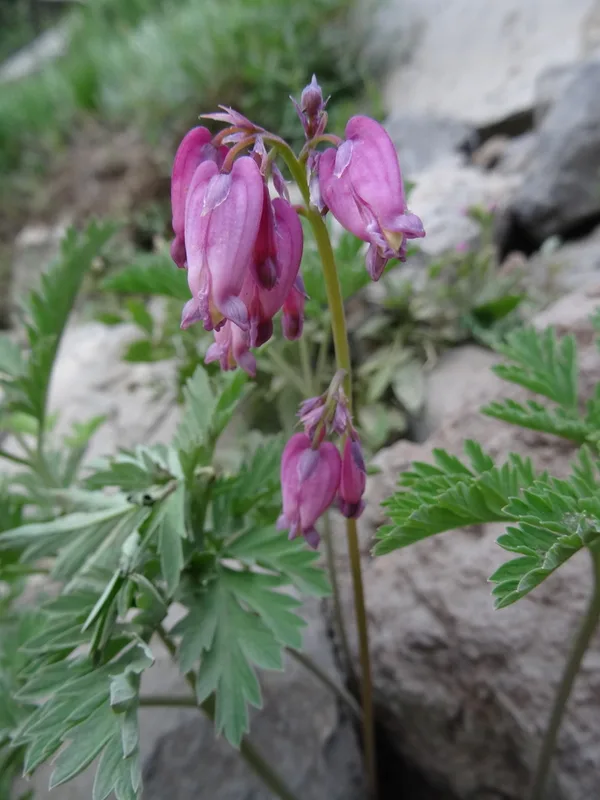
Pacific Bleeding Heart Dicentra formosa
Field Notes · Night Sky lens · Crater Lake National Park · 42.9317, −122.1279