The Atacama
Reserva Nacional Los Flamencos · Antofagasta, Chile
On these high plains the rain almost never comes, and the dark almost always does.
Also seen through Desert & Deep Time · all at Reserva Nacional Los Flamencos →.
Why here
The starlight that reaches you here is old. Some of it left its star long ago, before there were deserts, before there was a Chile to look up from — so when you turn your face to it, you are seeing the past, delivered whole. What the Atacama adds is a clean line of sight. The air over these high volcanic plains is thin and holds almost no water; rain barely comes, and cloud is rare. With so little between you and the dark, that ancient light arrives sharp, and the sky fills in fainter than most eyes have seen it. By day this is a country of old lava and salt, cold at night even in summer. But the desert’s real gift is everything it lacks — no haze, no damp, little glow of its own. Every stop in this note is chosen for the same reason: to give you an open, unlit horizon, and let the oldest view there is come down to meet it.
The story
The land came up in fire. The peaks that ring these plains are young volcanoes, built of lava and ash over the most recent stretch of geologic time, and they still set the shape of everything here. Between them lie basins with no way out to the sea. Water that falls or seeps has nowhere to run, so it gathers and can only leave by drying into the air, leaving its salt behind — which is why the flats gleam white and the few lakes run brackish. Laguna Miscanti, an arrowhead of water among the volcanoes, has no river in or out; springs and groundwater feed it, and groundwater and dry air draw it back down.
Life keeps close to the water. Three kinds of flamingo work the salt lakes, sieving the shallows for what lives in them. Herds of vicuña — the wild, fine-wooled cousins of the llama — graze the thin grass and come down to drink. On the warm rocks, small desert lizards hold dead still in the sun.
The human record here is quiet in these sources — a scatter of high villages and old ways of moving animals across the plains, more than the notes at hand can tell. What the land offers instead, night after night, is the sky. Little rain, little cloud, and a horizon of dark volcanoes: the desert clears the stage, and the oldest light fills it.
The sites
The handoff from day to dark
Mirador Coyote
−22.9170, −68.2545
Mirador Coyote sits on the rim above a broad, eroded valley, with a long drop at your feet and a wide western sky in front of you. It is a viewpoint built for the handoff. Come in the last hour of light and watch the low sun rake across the ridges, then stay as the color drains and the first stars take their place. The reason it works after dark is the same reason it works at sunset: nothing tall stands between you and the horizon, and the dry air holds almost no haze to soften the edge where land meets sky. As the dark deepens, the valley below folds into a single black shape while the sky above it grows crowded. Because the ground falls away, your eye has a clean, low line to measure the first faint stars against. Give yourself time. The best of it comes after most day visitors have gone and your eyes have had their half hour in the dark.
Face west as the sun goes down and mark the spot where the last light leaves the ridge. Keep your eye on it: the first bright star or planet will appear near there, in the clearest, lowest air, while the sky straight overhead is still pale.
- AccessDrive-up
- ExertionEasy
- TimeAn hour
Valle de la Luna
−22.9168, −68.2406
The Valley of the Moon takes its name from its bare, folded ground — ridges of salt and clay with almost nothing growing on them, worked into shape by long-gone water and constant dry wind. By day it is a study in texture. Near dusk it becomes one of the better places in this desert to watch a landscape lose its color and hand the evening over to the sky. The floor and walls hold warmth and light after the sun is gone, glowing faintly while the first stars come out overhead. Because so little grows here, and no town’s glow rises directly over the valley’s heart, the change from lit ground to dark sky is unusually clean. Move away from the entrance and the parking areas before full dark, find a spot where the ridgeline makes a simple horizon, and let the shift happen slowly. The bare rock is the whole point of the lens: a foreground with a clear edge, and above it the oldest light arriving over ground that looks like nowhere else.
After sunset, watch the salt ridges to the east rather than the fading west. They hold a dim glow of their own for a while. Note the moment they finally go dark, and look straight up then — that is when the faintest stars overhead become easiest to pick out.
- AccessShort walk
- ExertionEasy
- TimeHalf a day
Duna Mayor I
−22.9488, −68.2981
Duna Mayor is a broad dune of pale sand, a smooth ridge among the harder rock of the valley. From its crest the land falls away on the open side, giving you an uninterrupted stretch of western sky — the kind of clean, low horizon a distant ridge can never quite match. It is a climb up soft sand to get there, slow and breath-taking in the literal, altitude sense, so pace yourself and start well before sunset. The reward is a seat above the valley for the whole slow handoff from day to night. As the light goes, the dune stays pale longer than the rock around it, a soft foreground under a darkening sky. Once the stars are out, the smooth curve of the sand gives your eye a simple line to set them against. Stay a while after dark. The walk down is easier than the walk up, and the sky only improves as the last daylight leaves the western edge.
From the crest, sit facing the open western horizon and watch a single bright planet or star appear in the low sky just after sunset. The smooth edge of the dune below it gives you a steady line for judging how fast the sky is darkening.
- AccessShort walk
- ExertionModerate
- TimeAn hour
Flat ground, wide horizon
Salares
−23.2888, −68.1768
Salares looks out over a salt flat — a broad, level pan left where water gathers in a basin with no outlet and can only leave by drying away, its salt staying behind. For the night sky, flatness is the gift. There is no ridge, no tree, nothing tall to cut off the lower sky, so the stars come all the way down to a hard, level horizon on every side. This is where the dome of the sky feels most like a dome. Come out after dark, well away from any vehicle lights, and let your eyes settle. Low, faint objects that a hilly horizon would hide — a bright star near setting, the flat band of the Milky Way lying along the edge — show here because nothing blocks the bottom of the view. The dry, still air over the pan adds to it, holding little haze between you and the dark. Stand in the open, turn slowly all the way around, and take the measure of a sky with none of its edges cut away.
Stand on the flat and follow the horizon all the way around. Notice how the stars reach right down to the level edge on every side, with no hill to hide them, then find the faint band of the Milky Way and see how low along that edge you can still trace it.
- AccessDrive-up
- ExertionEasy
- TimeAn hour
Laguna Cejar
−23.0635, −68.2137
Laguna Cejar is a small, intensely salty lagoon set into the salt flat, its water so dense with dissolved minerals that it lies unusually still. By day people come to float in it. Near dark, that stillness turns it into a mirror. When the air is calm — and it often is once the day’s heat fades — the pool holds the sky on its surface, so the last color of dusk and then the first stars appear twice: once above and once below. Find a low spot at the water’s edge, keep your own movement small so you do not ripple the surface, and let the reflection settle. The doubling is not a trick of the water alone. It works because the air above is so clear and the surroundings so dark that there is a real sky worth reflecting. This is the lens made literal — the oldest view there is, come down out of the sky and laid flat on the water at your feet, if the wind will only hold its breath.
At the water’s edge after dark, stay still until the surface goes glassy, then find a bright star and its reflection below it. Watch how the faintest breath of wind smears the lower star while the real one above holds steady — the water is showing you how still the air has to be for a clean sky.
- AccessShort walk
- ExertionEasy
- TimeAn hour
The sky doubled in water
Laguna Miscanti
−23.7384, −67.7902
Laguna Miscanti lies high on the altiplano among the volcanoes, an arrowhead of brackish water with no river running in or out; springs and groundwater feed it, and the dry air draws it back down again. This is the high, thin, dry air the whole lens depends on, turned into a place you can stand. Up here there is less atmosphere above you and almost no moisture in it, so the light that falls arrives with little to blur it. By day the lake is a hard blue against pale grass and dark volcanic slopes, with vicuña grazing the shallows’ edge and flamingos working the water. As the light goes, the volcanoes that ring the basin become a low, sawtooth horizon of pure black, and the sky above them fills in fast and cold. Dress for real cold and give the altitude respect — move slowly, breathe deep. The reward is a sky seen through as little air as this desert allows, over a horizon of dark volcanoes and a stillness that belongs to the high plains.
As dusk fades, watch the ring of volcanoes turn from brown to flat black around the lake. Once they are pure silhouette, look just above their rim: the stars there are shining through the thinnest slice of air you will find, and they hold steadier than the ones you know from lower down.
- AccessDrive-up
- ExertionModerate
- TimeHalf a day
Laguna Miñiques
−23.7571, −67.7920
Just south of Miscanti, separated from it by an old lava flow, lies the smaller Laguna Miñiques. The two are one story — the same high basin, the same brackish water fed by groundwater, split in two by a tongue of hardened lava between them. Miñiques is the quieter, more sheltered of the pair, and its smaller surface can go especially calm as the wind drops toward evening. That makes it a place to watch the high sky settle over water. The dark volcanic walls stand close here, so your horizon is nearer and steeper, and the patch of sky it frames feels concentrated. Come for the same reason as its larger neighbor — the thin, dry, high-desert air — and stay for the difference in scale. Where Miscanti gives you the wide basin, Miñiques gives you a tighter frame: dark rock close on several sides, a still sheet of water, and a compact piece of sky held between them. Both sit high and cold; treat the altitude and the temperature with the same care.
Find the low lava ridge that separates Miñiques from Miscanti to the north. Watch a star rise or set close over that dark rock line — the near, steep horizon lets you see, in the space of a few minutes, how much the whole sky is turning.
- AccessDrive-up
- ExertionModerate
- TimeHalf a day
When it's best
The sky is dark on most clear nights here, so timing is less about the season than the moon: the deepest dark falls in the nights around a new moon, when the moon is out of the way and the faintest stars come through. The high desert stays dry and open through most of the year, which is why almost any clear night rewards the trip. Nights are cold even in the southern summer, so come dressed for it and give your eyes a good half hour to adjust to the dark. The one thing that can cloud the high country is the brief summer rain that sometimes reaches these plains; if you can, aim for the drier, clearer stretches on either side of it.
Go deeper
The names behind what you saw. The young volcanoes and their old lava are mapped as Cenozoic volcanic rocks — intermediate-to-felsic lavas and ash piled up over the most recent stretch of geologic time. The three flamingos of the salt lakes are the Andean flamingo (Phoenicoparrus andinus), James’s flamingo (Phoenicoparrus jamesi), and the Chilean flamingo (Phoenicopterus chilensis). The wild grazer is the vicuña (Lama vicugna); among the still lizards on the warm rocks is the Antofagasta smooth-throated lizard (Liolaemus constanzae).
To read next. - Any overview of the Central Andean volcanoes — for how these young peaks and their lava built the high plains you stand on. - The material on Laguna Miscanti — for how a lake with no river in or out survives on springs and groundwater alone. - A field guide to the high-Andean flamingos — for telling the three species apart by leg and bill color where they feed together on one salt lake. - Any plain-language guide to dark-sky observing — for why thin, dry air lets fainter stars through, and why the nights around a new moon show the most.
The names behind what you saw
What lives here, and what it's called. Photographs from open collections — an aid to identification, not decoration.
-
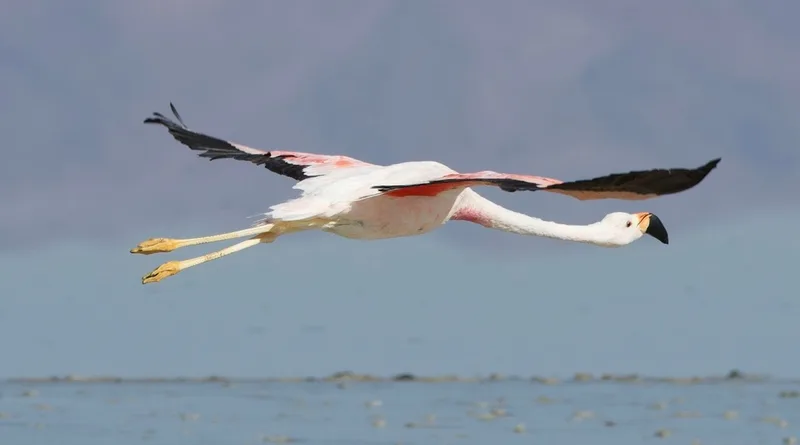
Andean Flamingo Phoenicoparrus andinus -
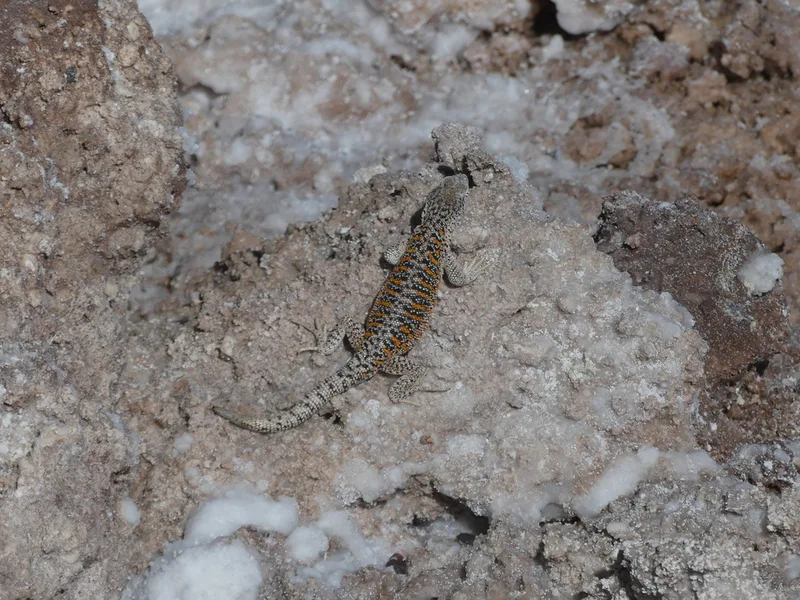
Llano de Vilama Smooth-throated Lizard Liolaemus fabiani -
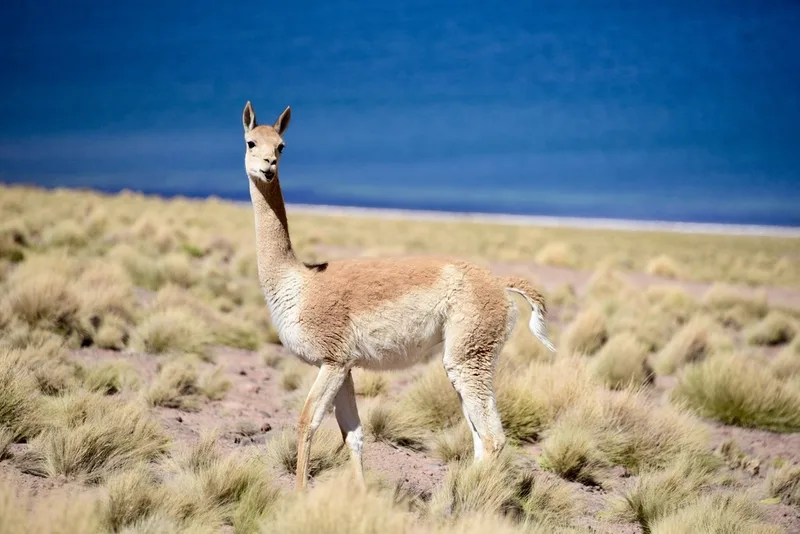
Vicuña Lama vicugna -
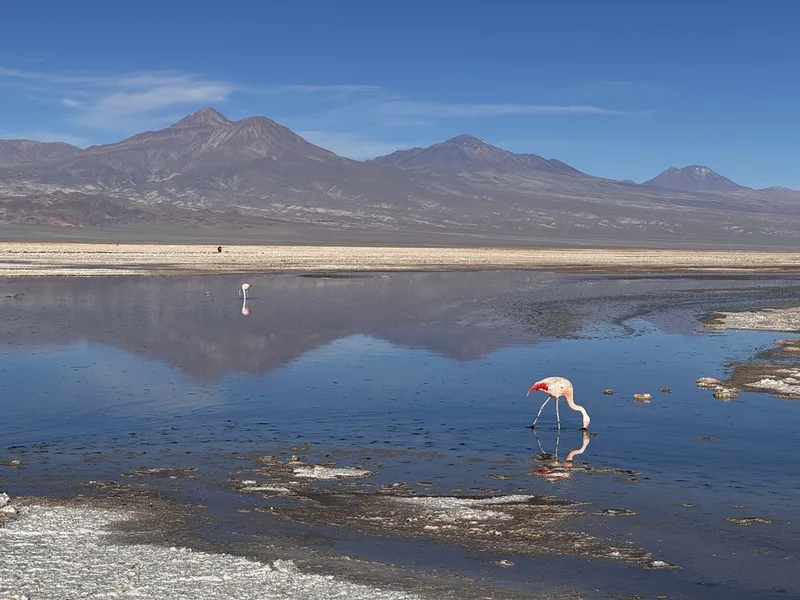
Chilean Flamingo Phoenicopterus chilensis -
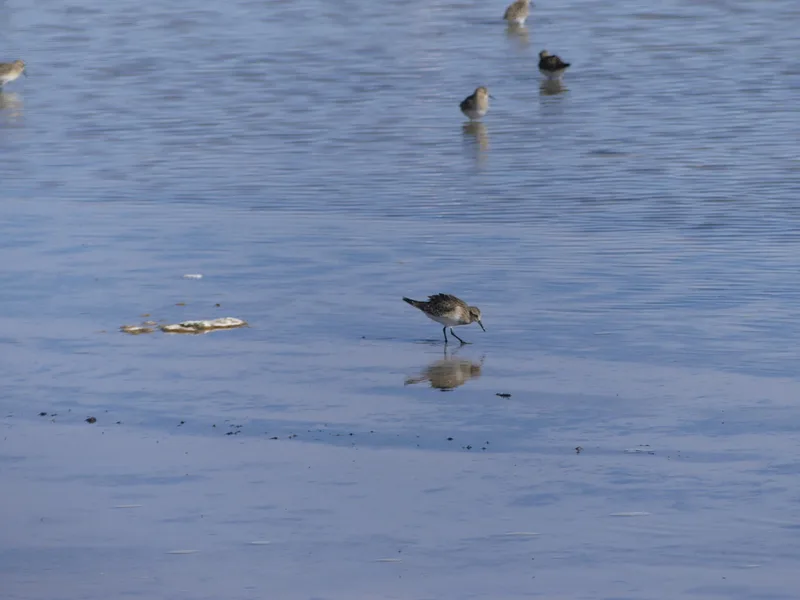
Baird's Sandpiper Calidris bairdii -
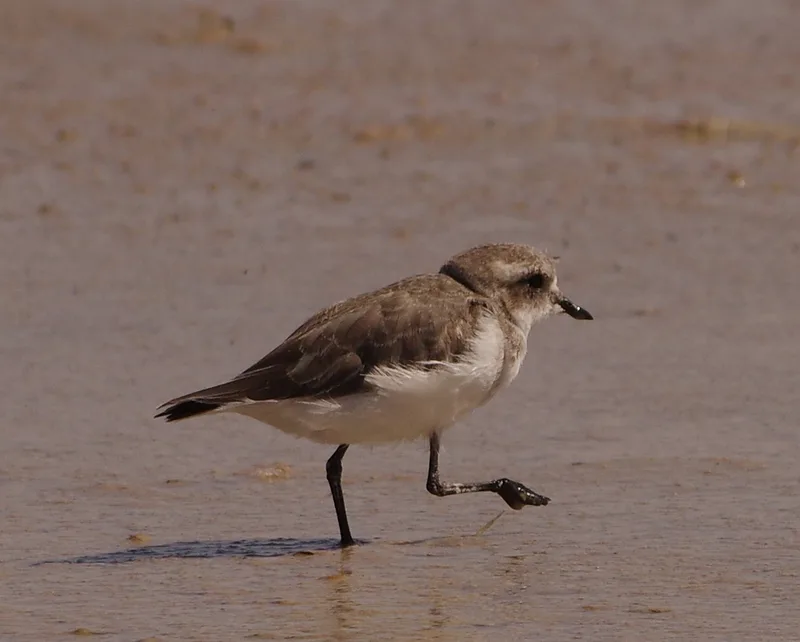
Puna Plover Anarhynchus alticola -
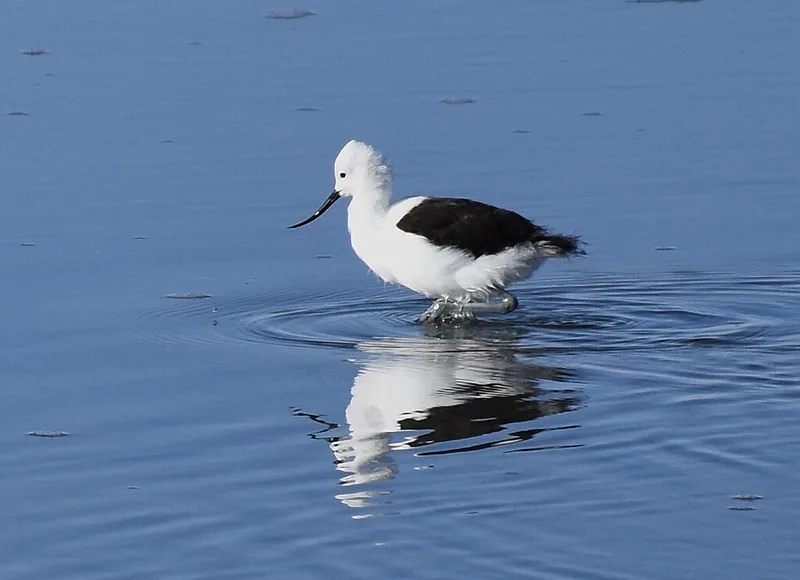
Andean Avocet Recurvirostra andina -

Andean Gull Chroicocephalus serranus -
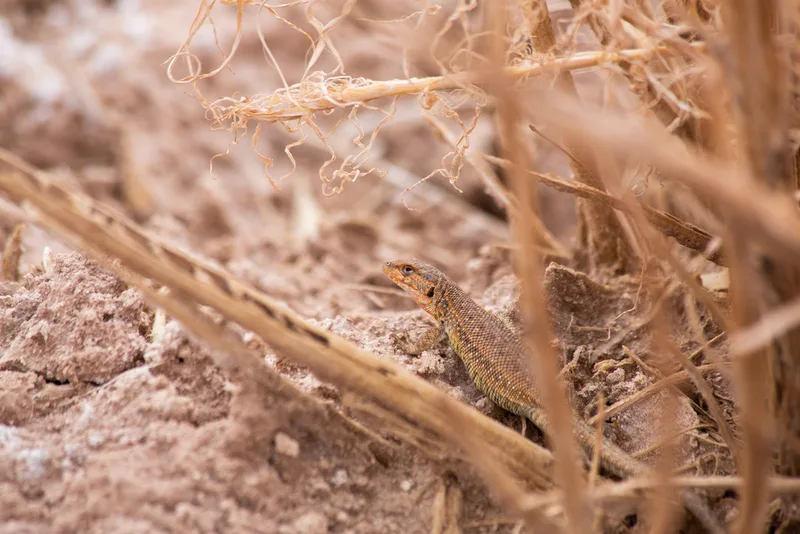
Antofagasta Smooth-throated Lizard Liolaemus constanzae -
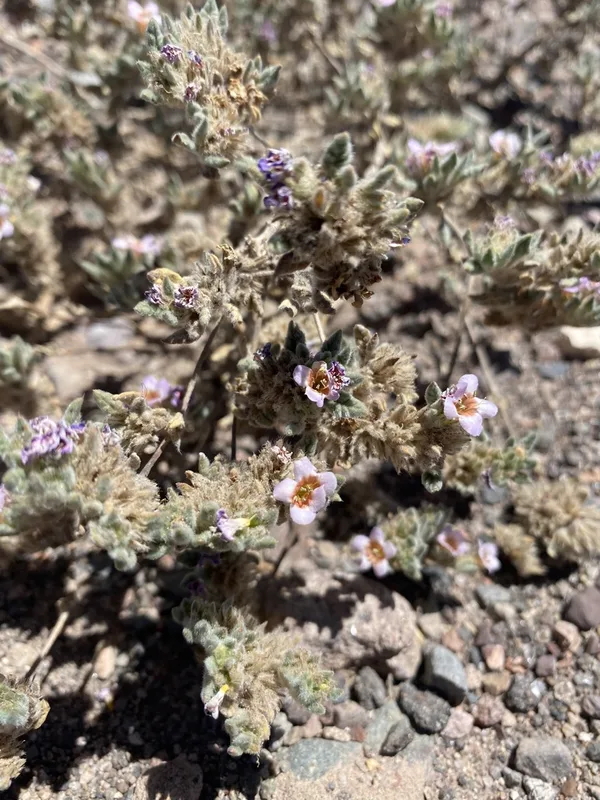
Tiquilia atacamensis -
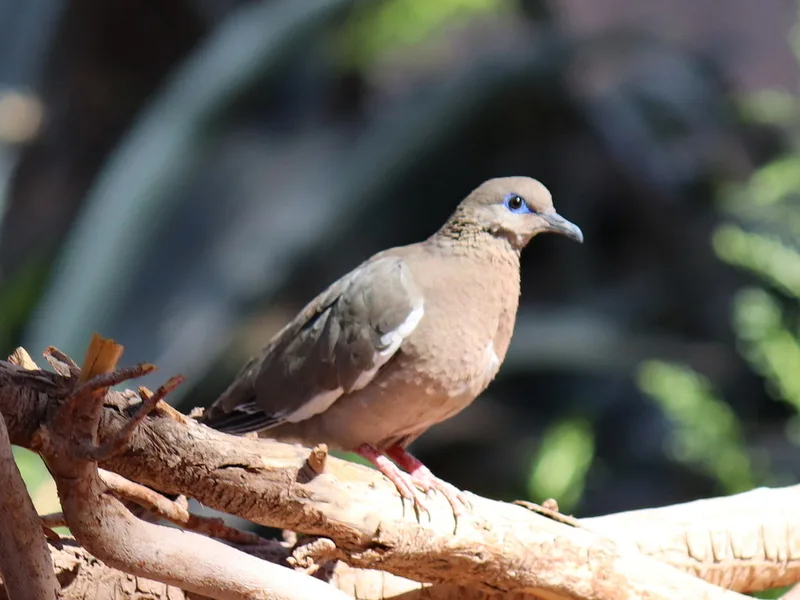
West Peruvian Dove Zenaida meloda -
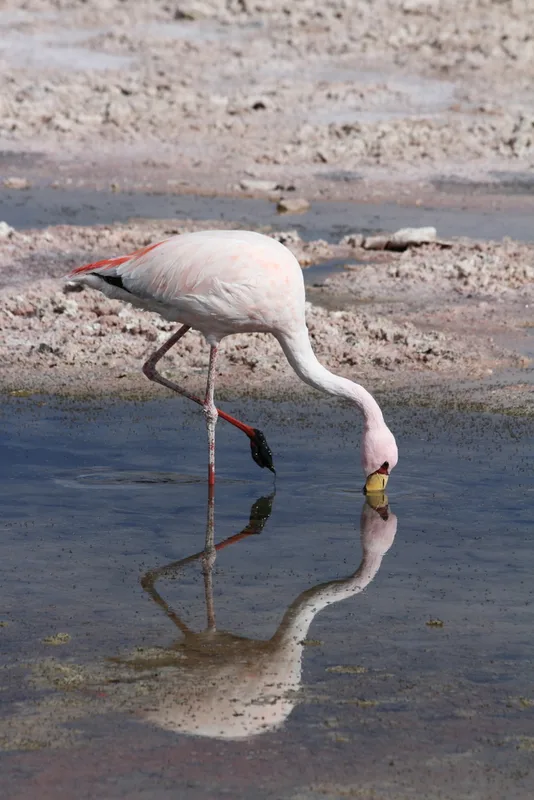
James's Flamingo Phoenicoparrus jamesi
Field Notes · Night Sky lens · Reserva Nacional Los Flamencos · −23.0433, −67.3199