Hells Canyon
Hells Canyon Dam · Oregon–Idaho, USA
The river was here first, and it is patient. It cut the deepest gorge on the continent one flood at a time, and it is still cutting.
Why here
Stand at the dam and the Snake River looks settled — concrete across the current, still water backed up behind it. Then look up. The walls of this canyon climb higher than the walls of the Grand Canyon. This is the deepest river gorge in North America, and the river dug it the slow way: one spring flood at a time, cutting down through old sea-floor and older lava while the land around it rose. The Snake is the largest tributary of the Columbia, a thousand miles of water gathered off the mountains of Wyoming and Idaho and funneled through this one narrow slot. Rock is patient, but water is more patient. Given enough time it wins, and here it won by nearly a mile and a half of depth. The dam is real, and it changed the river’s life — but it is the newest thing in the canyon by a wide margin. Everything this note points you toward is a chapter in the same long argument between moving water and standing stone, and the water is still talking.
The story
Long before the river, there was the rock. The walls of the gorge are old lava and hardened sea-floor mud, welded stone more than two hundred million years old. Then the country lifted, and the Snake — already running — kept its channel, cutting down as fast as the land rose. What it left is the deepest river gorge on the continent.
On the dry canyon walls in early spring, look for a low yellow flower called Snake Canyon desert-parsley, one of the first to open before the summer heat shuts the slope down. Bald eagles work the river below, and rock wrens bounce along the cliff ledges, singing from the same stone the water cut.
People come late to this story, and mostly to argue about the water. In the last century the canyon was set aside for its history and its ruggedness. The dam holds back a still reservoir where the river used to run free, and the long fight over the basin’s salmon has run for decades — into a recent agreement that honors tribal treaty rights to fish these waters and funds bringing the runs back. The river’s argument, it turns out, is far from finished.
The sites
The river's verdict
Hells Canyon
45.4513, −116.6189
This is the deepest river gorge in North America — the rim stands nearly a mile and a half above the water, deeper than the Grand Canyon, and about ten miles from one shoulder of the canyon to the other. Depth like this is not drama; it is arithmetic. A river cuts down while the land around it lifts, and if the river can keep pace, the gap between rim and water just keeps growing. The Snake kept pace. What makes the canyon feel bottomless from the rim is that you cannot take in the whole descent at once — the walls step back in benches and break into side gullies, so the eye loses the river long before it reaches it. The rock changes as it falls, too, the same dark old lava and sea-floor stone repeated in tilted bands. Give the canyon a slow look rather than a quick photograph. Depth reveals itself in the time it takes your eye to travel from the rim down to the thread of green at the bottom.
From the rim, trace a straight line from the top down to the water and count how many separate benches and ledges your eye crosses. Each step is a place the rock resisted a little longer than the softer stone above and below it.
- AccessDrive-up
- ExertionEasy
- TimeHalf a day
Reading the walls
Deep Creek Stairway Trailhead
45.2422, −116.7001
A trailhead is a doorway, and this one opens straight down into the gorge. The name is a fair warning — a stairway of a trail, dropping off the rim toward water it takes real effort to reach and more to climb back out from. But going down is the only way to read the canyon properly, because the walls are a stack of pages and the trail turns them one at a time. Near the top you are in old volcanic and sea-floor rock, more than two hundred million years old, hardened and tilted long before there was a canyon here. As you descend, the same kinds of stone repeat, and you begin to feel the sheer thickness of what the river removed to make this space. Carry water and start early; the dry slopes hold heat, and the climb out is the whole descent in reverse. This is the stop that turns the canyon from a view into a fact you feel in your legs.
As you drop below the rim, put a hand on the rock wall where the trail cuts through it. The dark, fine stone is old hardened lava and sea-floor mud; look for the way its bands tilt, set at an angle long before the river ever arrived to cut across them.
- AccessHalf-day hike
- ExertionStrenuous
- TimeHalf a day
The dam's counterargument
Hells Canyon Dam
45.2429, −116.7009
Hells Canyon Dam is a wall of concrete set across the Snake, holding back the reservoir that fills the canyon behind it. Against the age of the gorge it is brand new — the canyon took millions of years, the dam a few. Stand where the released water pours out below and the contrast is the whole point: still water above, moving water below, and a hard line between them where people decided how much river the canyon would get. A dam does not end a river’s argument; it interrupts it. The Snake still delivers its load of grit to the back of the reservoir, where the current slows and drops it, and it still carries whatever the dam lets through downstream to keep cutting. This is the newest chapter in the canyon and the one still being written, in law as much as in rock — the basin’s salmon and who gets to fish them have been contested for decades. Read the dam as one move in a long game, not the end of it.
Stand where you can see both the still reservoir above the dam and the released river below. Watch how the water changes the moment it is let go — flat and silent on one side, broken and loud on the other. That line is the exact edge between a river held and a river working.
- AccessDrive-up
- ExertionEasy
- TimeAn hour
Hells Canyon Reservoir
45.1109, −116.7616
Hells Canyon Reservoir is the still water the dam makes, filling the bottom of the gorge upstream of the wall. A reservoir is a river with the argument paused. Where the Snake once ran fast enough to carry sand and cobbles through here, the slack water lets go of that load — the current slows, the grit settles, and the canyon’s cutting tool piles up quietly on the bottom instead of scouring downward. That is the quiet cost of the wall: not just the water held, but the work stopped. The setting is still the same deep canyon, walls of old lava and sea-floor rock rising on both sides, so the reservoir gives you the gorge’s scale without its motion. Bald eagles work this stretch, easiest to see through the colder months when they hunt the open water. Sit with the stillness a while; it is the exact thing the roar below the dam is missing, and the difference between them is this whole note in one glance.
Look along the reservoir shore for the line where still water meets the steep rock wall. There is no beach of river-tumbled cobbles building here the way a free river makes one — the slack water drops its sand and gravel out of sight on the bottom instead.
- AccessDrive-up
- ExertionEasy
- TimeAn hour
When it's best
Come in early spring for the flowers. The low desert-parsley on the canyon walls is usually opening by the tail of winter, ahead of the heat that later shuts the dry slopes down. Those weeks are cool — mild by day, near freezing at night, with a fair chance of rain — so bring a layer. By high summer the canyon fills with birds: hummingbirds, warblers, and rock wrens working the cliff ledges, though the open slopes turn hot and dry. Bald eagles hunt the river through the colder months and are easiest to spot when the leaves are down. The gorge itself keeps no season; its depth is worth the drive in any month the road is open.
Go deeper
The names behind what you saw. The canyon walls here are old volcanic and sea-floor rock — hardened sediments and altered lava (greenstone), interlayered volcanic and sedimentary units of Permian and Triassic age. The early yellow flower is Snake Canyon desert-parsley, Lomatium serpentinum; the cliff singer is the rock wren, Salpinctes obsoletus; the eagle over the water is the bald eagle, Haliaeetus leucocephalus.
To read next. - Any overview of Hells Canyon and the Snake River — for how one river cut the deepest gorge in North America. - The story of Hells Canyon Dam and Idaho Power on the Snake — for what the dam changed and why it sits where it does. - Sheep Rock, a landmark upriver, where two stacks of flood-lava (the Columbia River Basalt) meet across a gap in the record — for the younger volcanic chapter the dam walls don’t show. - The Columbia Basin Initiative — for the decades-long legal fight over the basin’s salmon and the tribal treaty rights behind it.
The names behind what you saw
What lives here, and what it's called. Photographs from open collections — an aid to identification, not decoration.
-
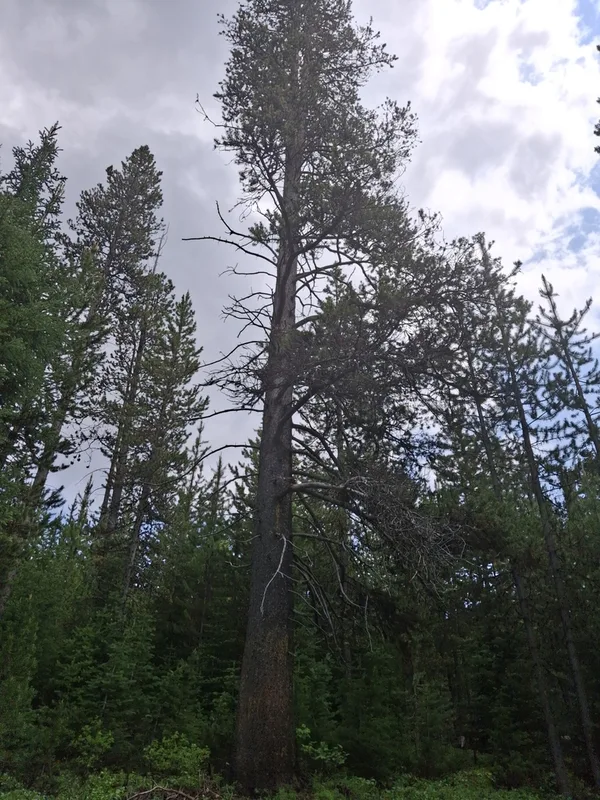
lodgepole pine Pinus contorta -
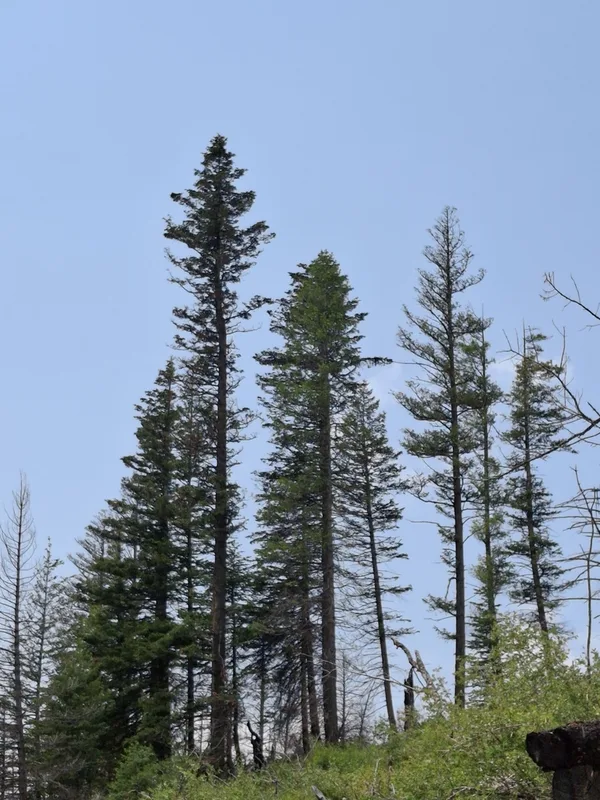
Douglas-fir Pseudotsuga menziesii -
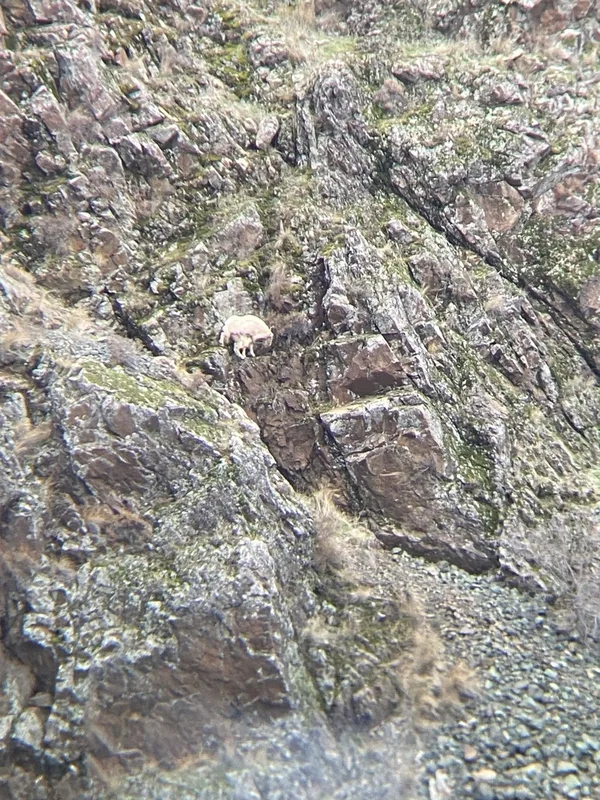
Mountain Goat Oreamnos americanus -
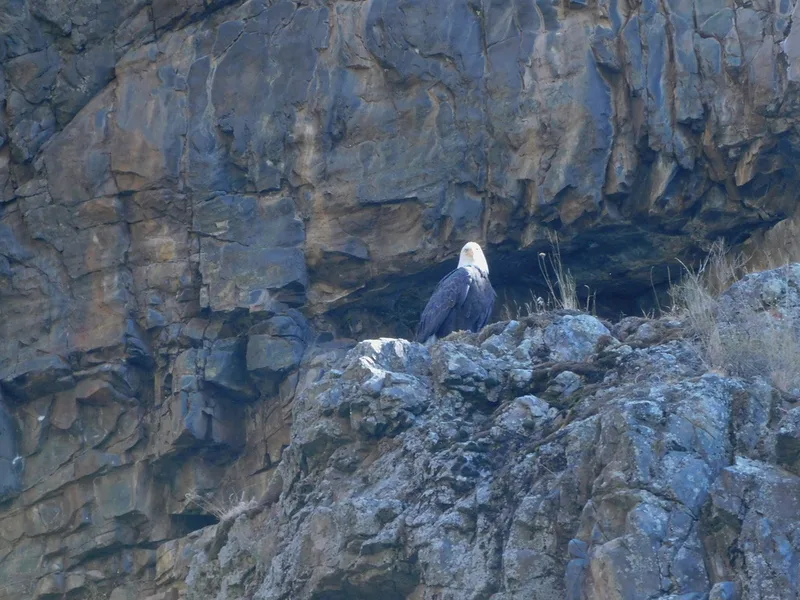
Bald Eagle Haliaeetus leucocephalus -
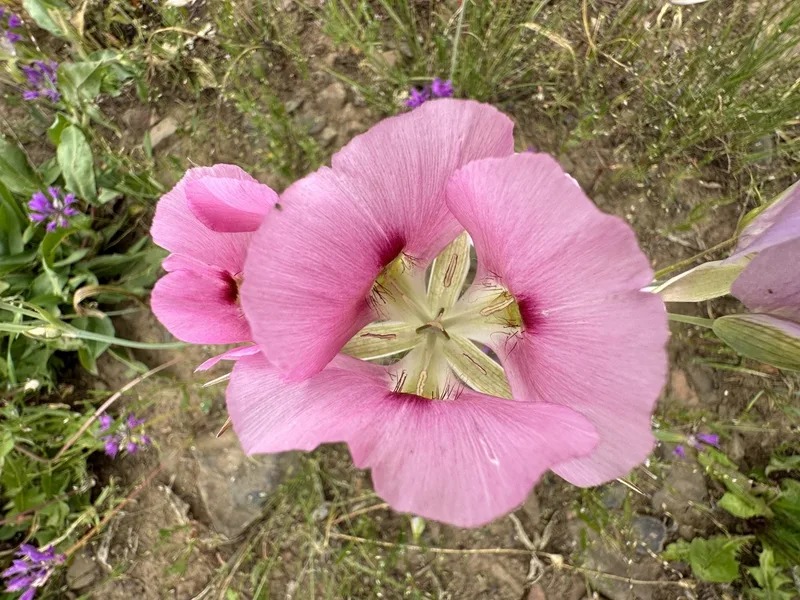
white mariposa lily Calochortus eurycarpus -
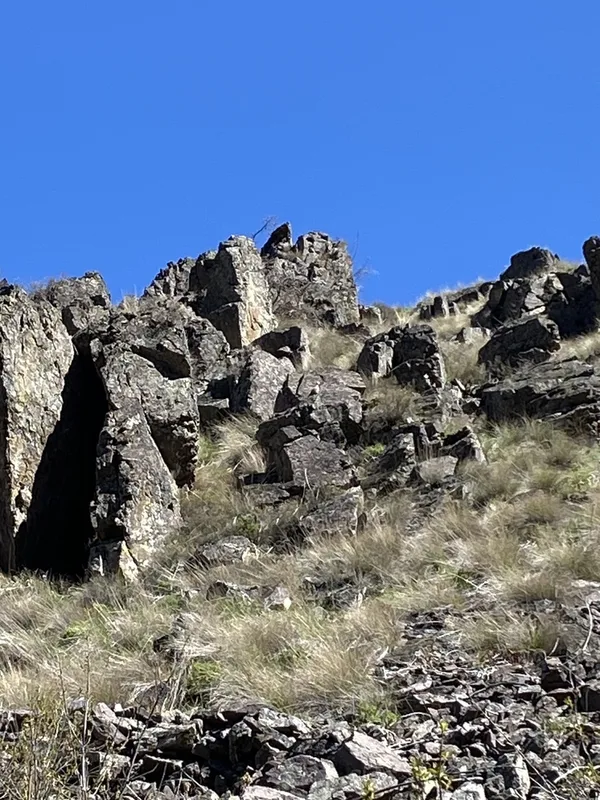
Chukar Alectoris chukar -
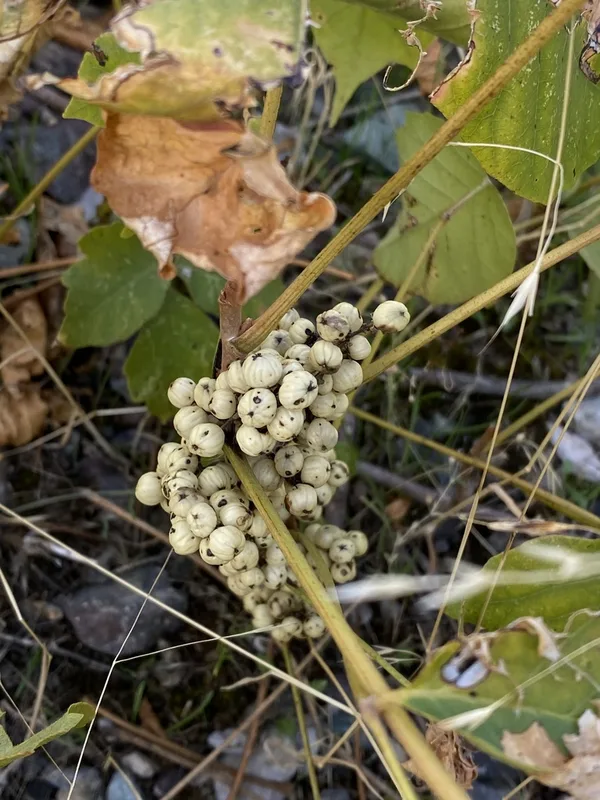
western poison ivy Toxicodendron rydbergii -
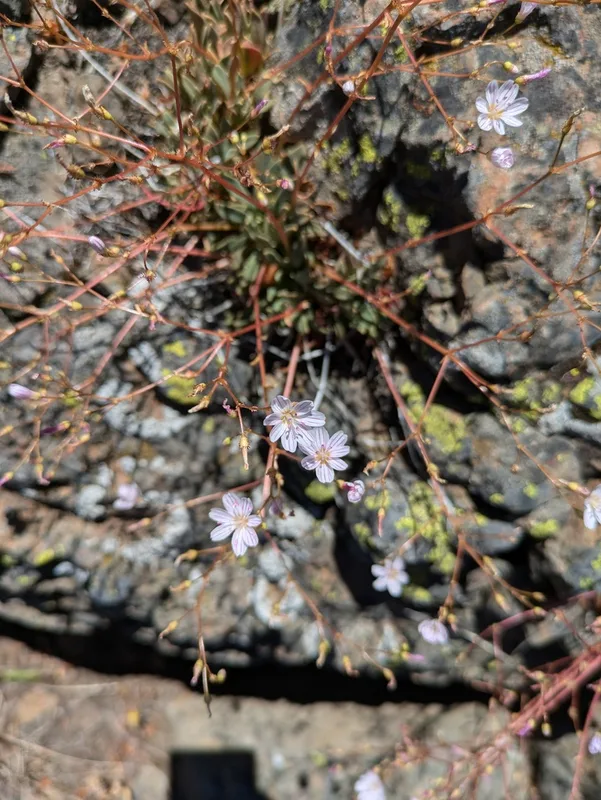
Columbian lewisia Lewisia columbiana -
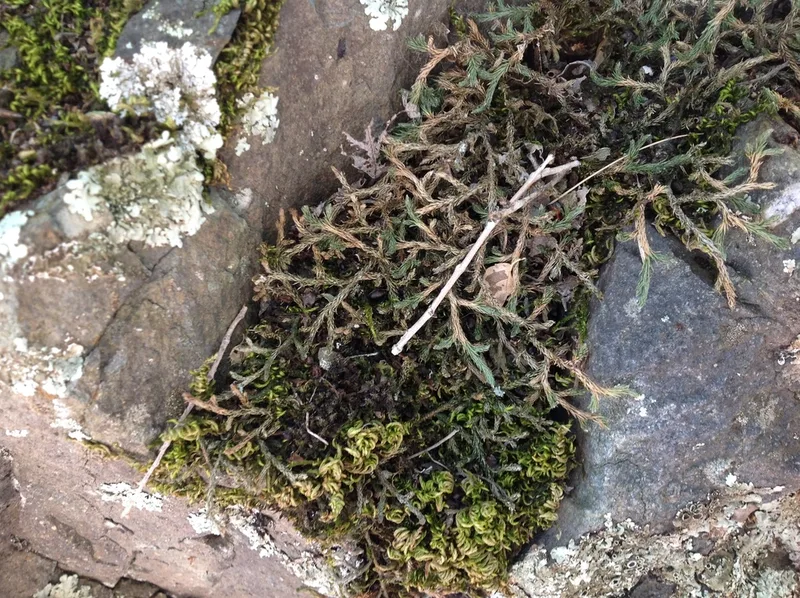
Wallace's spikemoss Selaginella wallacei -
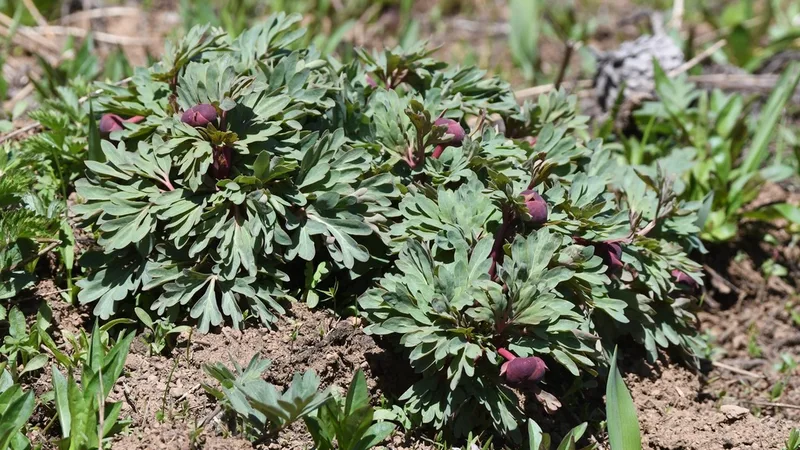
Brown's Peony Paeonia brownii -
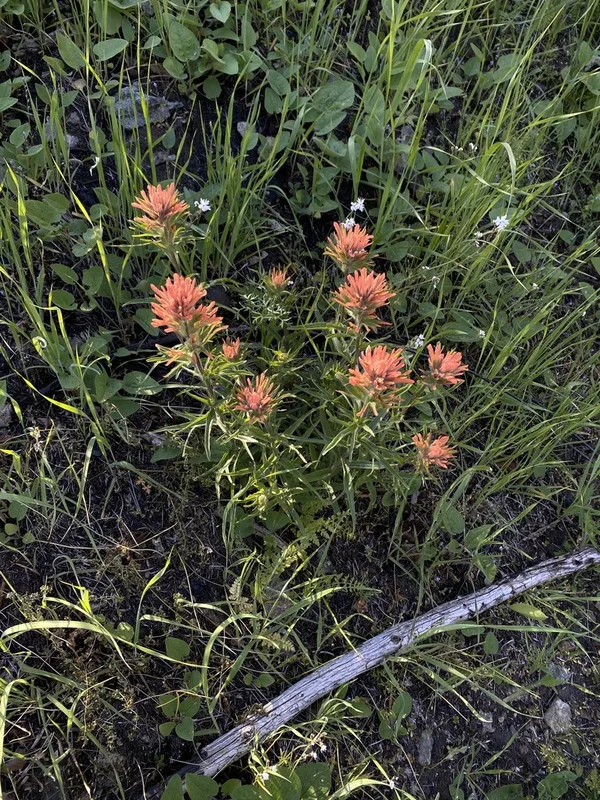
harsh paintbrush Castilleja hispida -
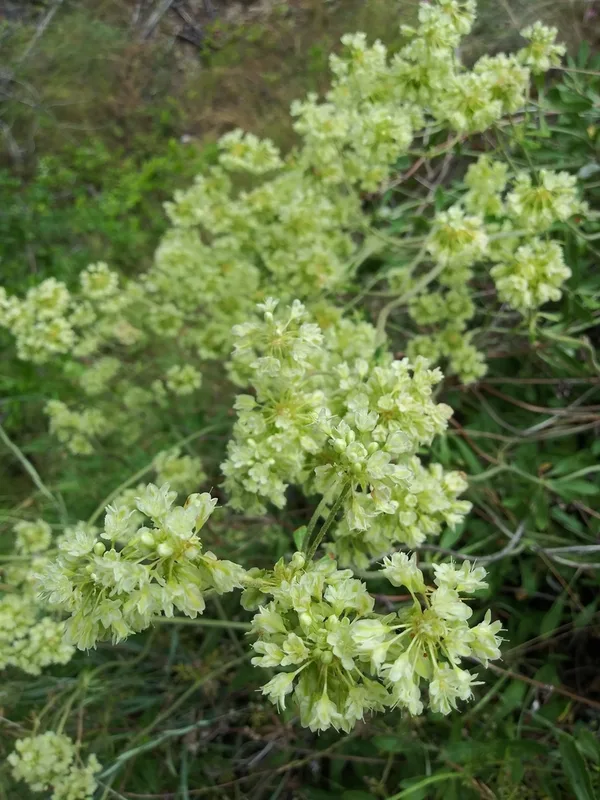
parsnipflower buckwheat Eriogonum heracleoides
Field Notes · Rivers & Canyons lens · Hells Canyon Dam · 45.2811, −116.6902