Etna
Parco dell'Etna · Sicily, Italy
A mountain that is never quite finished, adding to itself one cone at a time.
Why here
Most mountains are finished. Etna is not. It stands on the seam where two of the earth’s great plates grind together, and instead of simply wearing down like an old range, it keeps adding to itself. Every so often the mountain opens a new mouth — often not at the summit but low on its flank — throws up a hill of cinder, pours out fresh rock, then falls quiet, only to do it all again somewhere else.
The result is strange and then obvious once you see it: a single mountain wearing hundreds of smaller mountains. Nearly every rounded “Monte” on its slopes is one eruption made solid — a vent that opened, emptied, and closed. Some of that rock is younger than the towns and churches at the mountain’s foot.
This whole note is a way of reading Etna by its cones. You walk from one to the next, newest to oldest, and everywhere you look you are seeing the same thing: a mountain caught in the middle of building itself.
The story
The mountain begins deep, where the plate carrying Africa meets the one carrying Europe; out of that seam Etna has built itself in fits and starts, cone by cone and flow by flow. Its rock is dark and iron-rich, but with stranger material mixed through it — lava that cooled from an unusually gas-rich, alkali-rich melt.
Left long enough, even bare cinder becomes ground. The first plant onto raw black slopes is often Mount Etna broom, a nearly leafless shrub that roots in rock holding almost no water. On the older, settled northern side, birch woods have taken hold on soil that is centuries in the making. On warm stone, wall lizards bask; over the summit, black choughs ride the wind.
People have lived at the mountain’s foot for a long time, raising towns and churches like the parish church of San Martino in Randazzo. And once, when a flow bore down on a town, they fought back — helicopters lifting heavy concrete blocks to try to turn the lava aside and spare Zafferana Etnea. Etna keeps remaking the map, and the people below keep learning to live on ground that is still being poured.
The sites
Cones born in a single eruption
Monti Rossi
37.6193, 15.0110
On the lower southern slope, near where the flank eases toward the towns, stands a hill of red cinder whose plural name simply means “the red mountains” — more than one crest, and all of it loose rubble rather than solid rock. Everything about it records a single outburst: gas-charged lava thrown into the air, frozen into froth as it flew, and piled around the vent it came from. The red is iron in the rock, rusted by its own heat before it even landed. This is how Etna grows outward as well as up. Rather than always erupting from the top, the mountain opens a new mouth low on its flank, empties it over weeks or months, and leaves a cinder hill standing when the eruption moves on. Walk up, and nothing underfoot is bedrock; it is all the shattered, airy debris of one event.
On the rim, look at the rock under your boots — light, sharp-edged, full of frozen bubbles. That is scoria, lava blown into foam and cooled in midair. Scoop up a piece and feel how little it weighs for its size, then set it back.
- AccessShort walk
- ExertionModerate
- TimeHalf a day
Monte Nuovo (eruzione 1763)
37.7480, 14.9227
This cone carries its own birthday in its name — the “new mountain” of 1763, on the western flank. Two and a half centuries is nothing to a mountain, and this one is younger than many of the churches in the towns below it. It rises as a clean, steep pile of cinder and spatter, still barely softened by weather — a single eruption’s worth of rock, dropped in one episode and then abandoned as the mountain shifted its activity elsewhere. To walk its rim is to walk the edge of one closed chapter in a story that never quite closes. All around it, other separate hills mark other chapters, each a vent that opened, poured, and went silent. Nothing here is ancient, and nothing here is finished.
Stand on the rim and look back toward the summit, then out across the flank. Count the other separate hills you can pick out. Each is a vent like this one — Etna erupts not from a single peak but from a shifting field of mouths, and every hill marks one that has fallen quiet.
- AccessHalf-day hike
- ExertionModerate
- TimeHalf a day
Monte De Fiore 1 (1974)
37.7434, 14.9270
The name again fixes the date: a cone raised in 1974, on the western flank, among the youngest ground a person can stand on here. Fresh lava country reads differently from old. The flows are still black and sharp underfoot, plants have barely begun to arrive, and the shapes the molten rock made as it stopped are still crisp and unweathered. Where the older cones have softened and greened, this one is raw — closer to how every hill on the mountain looked in its own first year. Give it a few more centuries and it will resemble its neighbours; for now it is unmistakably new, a chance to catch Etna almost mid-sentence, the ink barely dry on its latest page of rock.
Walk to the edge of a lava flow and look at how it froze. Where the surface is smooth and ropey, the rock moved slowly and stayed hot; where it is a jumble of loose clinker, it moved as a hardening crust breaking apart over molten rock beneath. Both can come from one flow, only a few steps apart.
- AccessHalf-day hike
- ExertionModerate
- TimeHalf a day
The green slopes, where the mountain has been left alone
Monte Spagnolo
37.8258, 14.9522
On the quiet northern side, far from the busy southern slopes, Monte Spagnolo rises among woodland. Here the cinder has had long enough to become real soil, and the soil to grow real forest — birch in particular, a slender tree whose pale, peeling bark stands bright against the dark volcanic ground. The contrast is the whole lesson of this side of the mountain: leave a black cinder slope undisturbed for enough centuries, with no new flow coming through, and it turns green and shaded and full of birdsong. This is Etna with its violent chapters well behind it, at least for now — a reminder that every raw cone elsewhere on the mountain is only waiting for the same slow work to begin.
Look for the birches — slim trees with near-white, peeling bark, easy to pick out against the dark slope. On Etna they mark the older, settled ground, where no fresh lava has come through in a very long time. Where they thin out, watch for the reason: harder, rawer rock that has had less time to soften into soil.
- AccessHalf-day hike
- ExertionModerate
- TimeA full day
Monte Maletto
37.7937, 14.9424
Monte Maletto stands on the north side of the mountain, an older cinder hill that Etna has left alone long enough for life to gain a foothold. This is broom country. Mount Etna broom is a tough, nearly leafless shrub, one of the first green things to colonise bare volcanic ground, driving its roots into cinder that holds almost no water. Where you see it spreading in low mounds across an otherwise bare slope, you are watching the very first step by which black rock begins to become living hillside — the plant that goes first, before there is any real soil for anything else. It asks almost nothing of the ground, and slowly gives the ground back more than it takes.
Find the broom — a dense, almost leafless green shrub growing straight out of loose cinder. Look at the ground around its base: often bare rock and little soil. It is not living off the ground so much as slowly helping to make it, trapping dust and holding the slope in place for whatever comes next.
- AccessHalf-day hike
- ExertionModerate
- TimeHalf a day
Where you can read the whole mountain
Monte Nero degli Zappini
37.7036, 14.9784
“Zappini” is the local word for the pines that cloak this dark cone on the southern flank. The hill sits between old lava flows, an island of settled land where pines have rooted in weathered cinder. It is a gentle place to see how Etna’s slopes recover in stages — bare rock first, then scattered tough shrubs, then, given time, closed pinewood — with the whole sequence readable within a short, level stroll. The “nero,” the black, is the old cinder still showing through beneath the trees, the raw mountain under its green skin.
Walk into the pines and look down: needles and a thin, dark soil lying over cinder. Then find where the trees stop at a bare edge of lava. That line is the rim of an old flow — on one side, time enough for a forest to grow; on the other, rock still too young and raw to hold one.
- AccessShort walk
- ExertionEasy
- TimeAn hour
Monte Fontane
37.7385, 15.0842
Marked on the map as a viewpoint, Monte Fontane looks out over the eastern flank — the side of Etna that falls away toward the sea. From this one spot you can take in the thing this whole note is about: not a single peak, but a long slope studded with smaller cones, each a former vent, marching down toward the coast. It is the clearest place to read the mountain as what it truly is — not one volcano but the sum of countless eruptions, a whole landscape built of its own repeated outbursts. Everywhere else on this note you stand on one cone at a time; from here the abstract idea becomes something you can simply see all at once.
From the viewpoint, let your eye run down the slope toward the sea and pick out the separate rounded hills scattered across it. Each is a cone like the ones this note visits. Try to count them; you will lose track before long, and that losing count is the point — the whole flank is made of them.
- AccessDrive-up
- ExertionEasy
- TimeAn hour
When it's best
High on the mountain, spring comes late. Early in the year the upper cones can still lie under snow and the nights drop below freezing, so the young cinder fields near the top are a warmer-months proposition. The lower flanks thaw first; come when the slopes are clear and you can walk the cones on bare ground. The broom greens and then flowers as the warm season settles in; wall lizards come out to bask on any sunlit stone once the day has real warmth in it; and the black choughs work the high air right through the year.
Go deeper
The names behind what you saw. The young dark lava is Quaternary alkali basalt, with lesser tephrite, basanite, and phonolite mixed through it; older volcanic rock on the mountain includes ignimbrite and other bimodal volcanics. The pioneering shrub on bare cinder is Mount Etna broom, Genista etnensis. Other Etna specialists worth a search: Etna pansy, Viola aethnensis; Etna camomile, Anthemis aetnensis; Etna tansy, Tanacetum siculum; Sicilian milkvetch, Astragalus siculus. The lizard basking on warm rock is the Italian wall lizard, Podarcis siculus; the black, red-billed birds over the heights are red-billed chough, Pyrrhocorax pyrrhocorax.
To read next. The vetted reading list for this region is still thin, so this is a short, honest hand-off to the sources behind the note: - Wikipedia, Mount Etna — the plate-margin setting, and why the mountain’s height keeps changing with its eruptions. - Wikipedia, Operation Hot Rock — the episode when helicopters dropped concrete blocks to steer a lava flow away from a town. - Wikipedia, San Martino, Randazzo — a parish church in Randazzo, at the mountain’s foot. - Macrostrat — the mapped rock units of the mountain, if you want to see the lava sorted by age and type. - iNaturalist — a living calendar of Etna’s plants and animals, useful for timing a bloom or a first insect of the year.
The names behind what you saw
What lives here, and what it's called. Photographs from open collections — an aid to identification, not decoration.
-
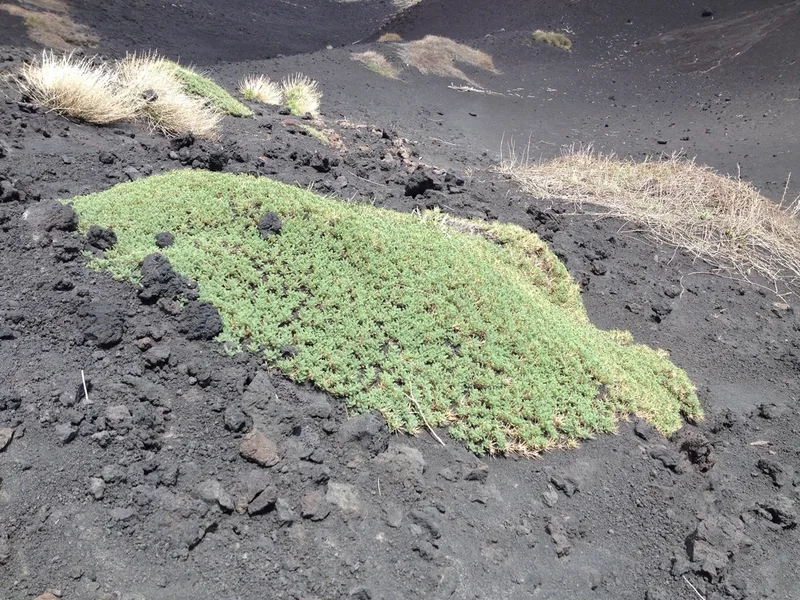
Sicilian Milkvetch Astragalus siculus -
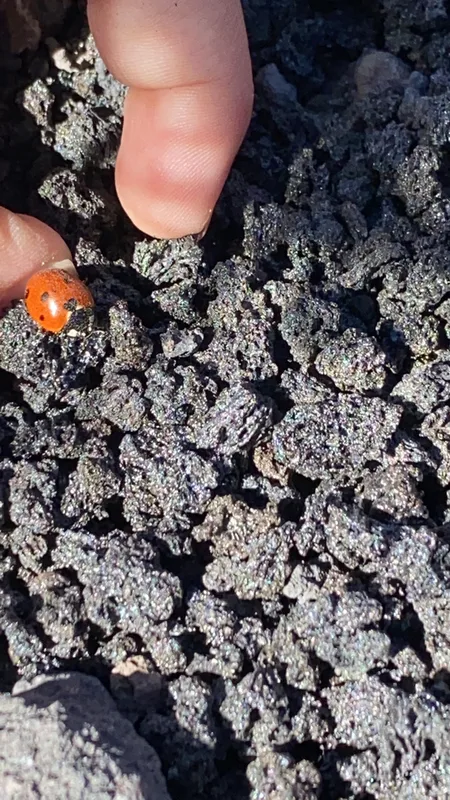
Seven-spotted Lady Beetle Coccinella septempunctata -
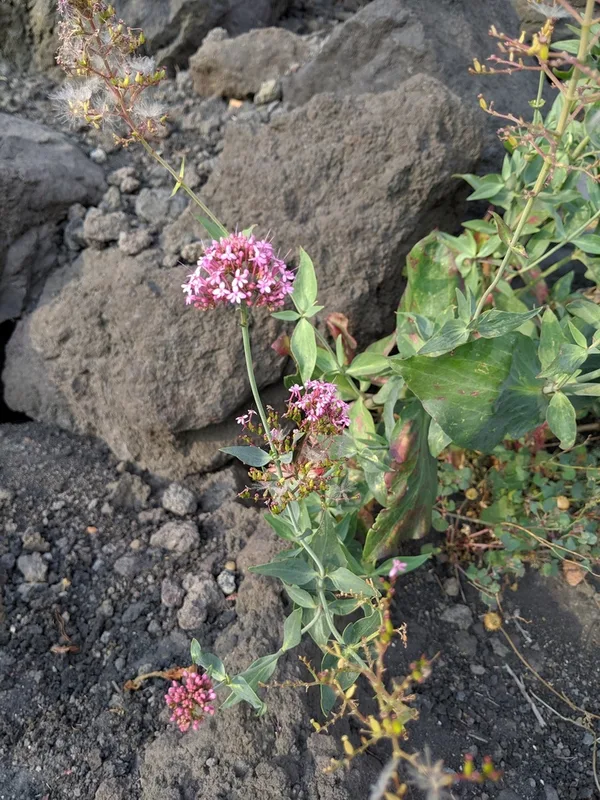
Red Valerian Centranthus ruber -
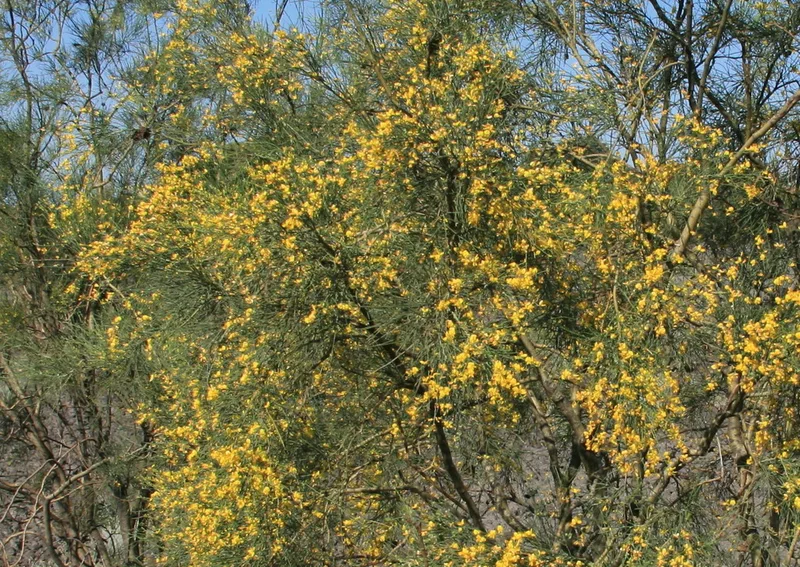
Mount Etna Broom Genista etnensis -
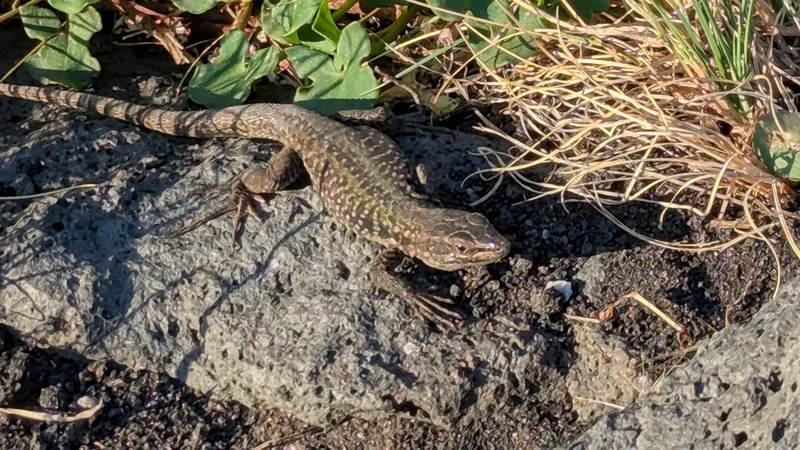
Italian Wall Lizard Podarcis siculus -
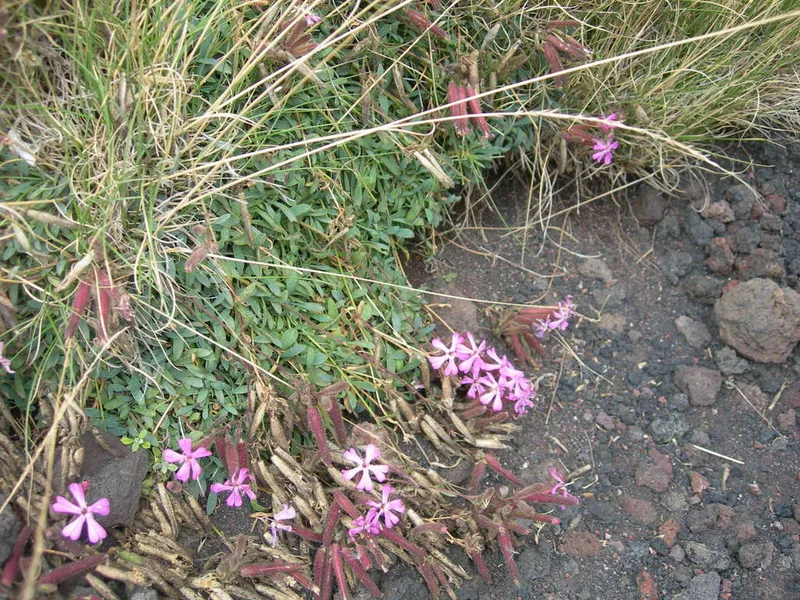
Saponaria sicula -
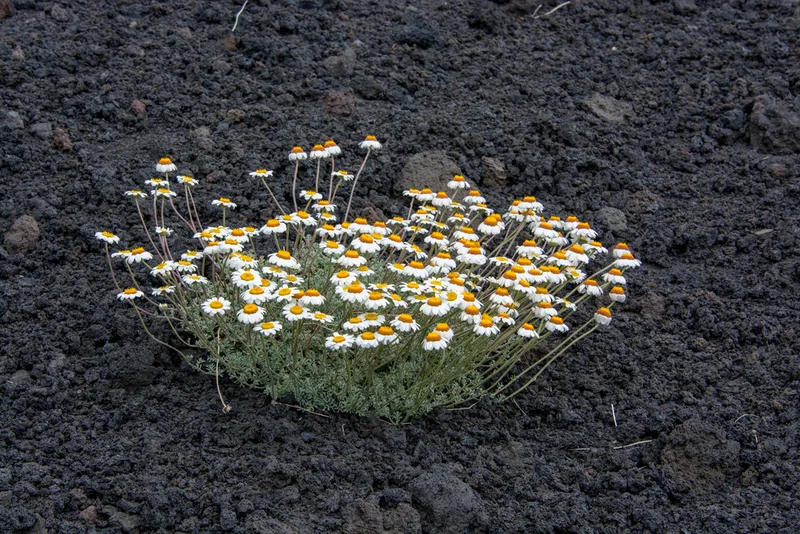
Etna camomile Anthemis aetnensis -
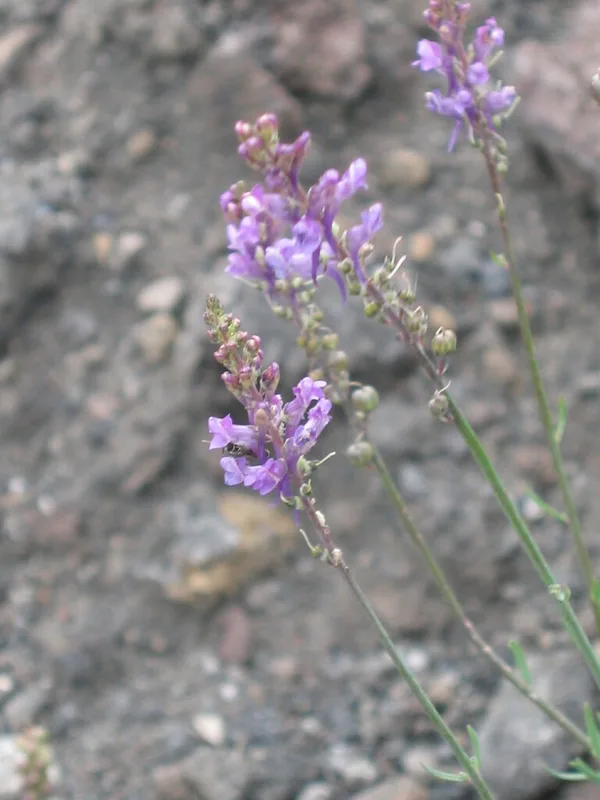
Purple Toadflax Linaria purpurea -
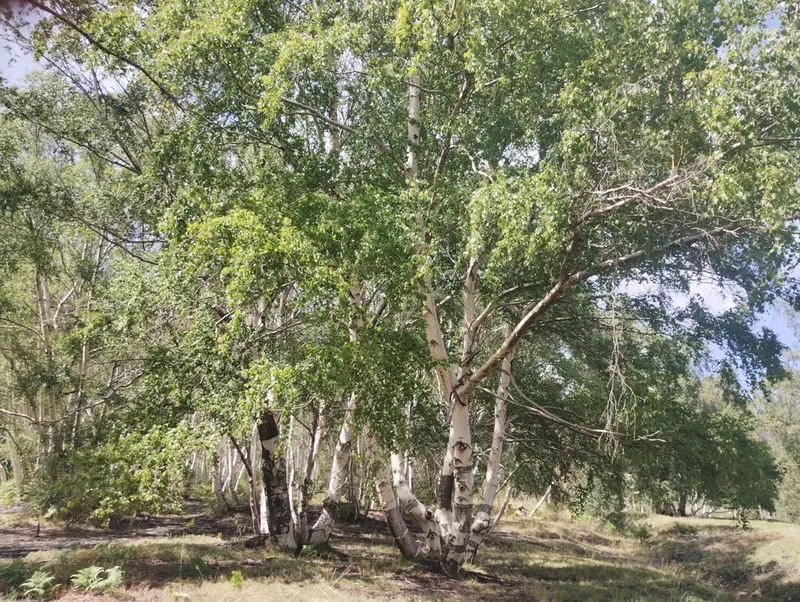
silver birch Betula pendula -
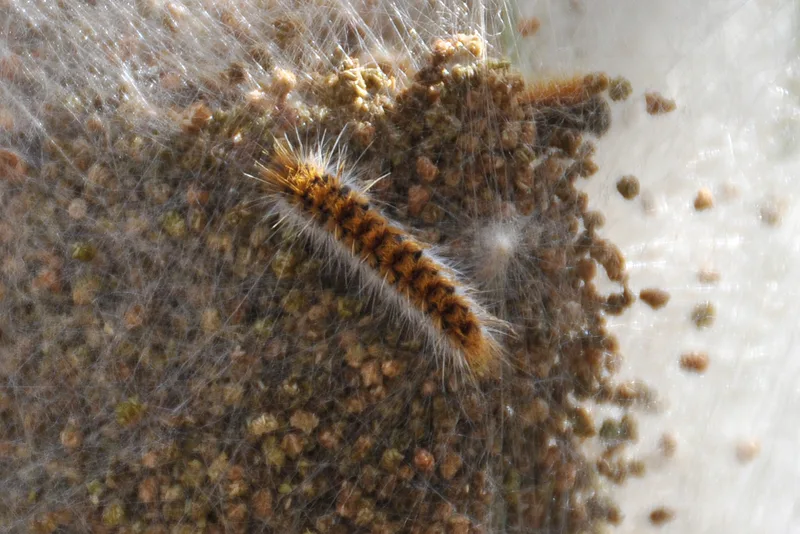
Pine Processionary-moth Thaumetopoea pityocampa -
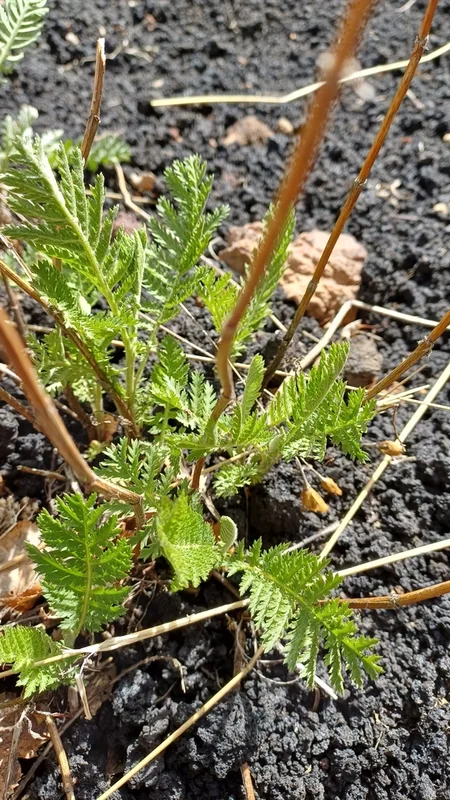
Etna Tansy Tanacetum siculum -
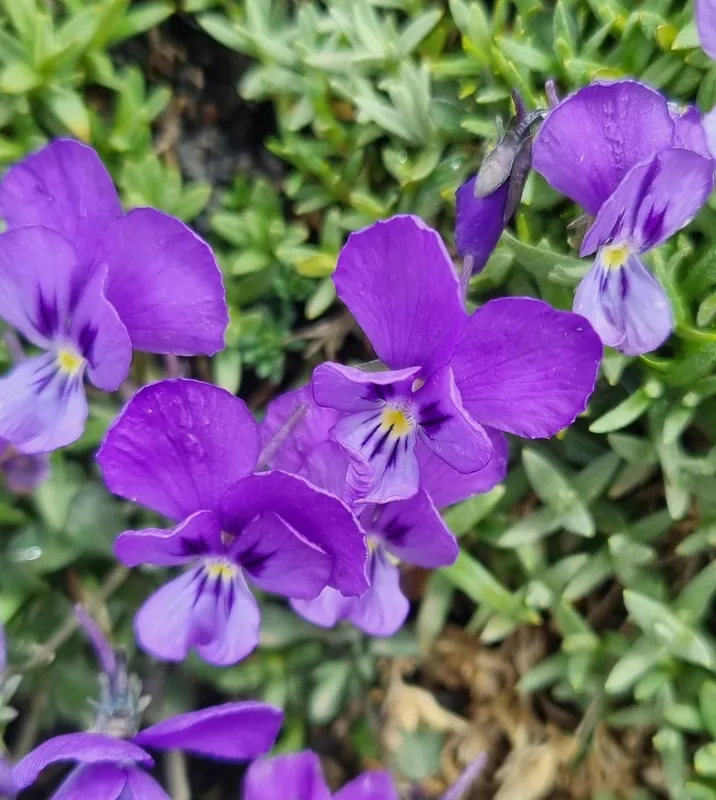
Etna Pansy Viola aethnensis
Field Notes · Volcanic lens · Parco dell'Etna · 37.7477, 14.9661